

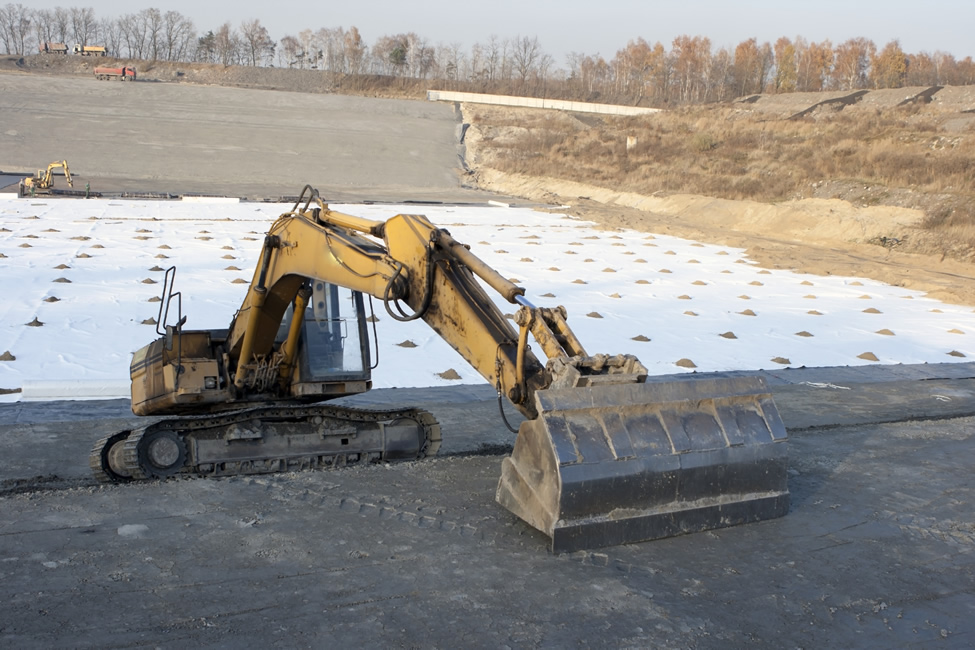
Did you know that effective landfill design can significantly reduce environmental risks? Understanding contaminant transport modelling is vital for maintaining our ecosystem’s health. In this blog post, we’ll dive deep into the science behind contaminant transport modelling and how it plays an integral role in landfill design. By the end of this article, you’ll gain valuable insights that will enhance your understanding of these processes and their significance.
Contaminant transport modelling and landfill design are interconnected disciplines that require a solid grounding in environmental science. This essay will not only discuss contaminant transport modelling but also its implications for landfill design. We’ll explore various types of contaminants, how they travel through the soil and water, and the fundamental principles that govern landfill operations.
Understanding Contaminants
Contaminants can arise from various sources including industrial, agricultural, and municipal activities. Solid wastes, liquids, and gases can all contribute to contaminant build-up. Understanding the nature of these contaminants is critical.
Types of Contaminants
- Organic Contaminants: These include chemicals compounds derived from living organisms that can decompose over time. Common examples are pesticides and solvents.
- Inorganic Contaminants: These substances do not contain carbon, such as heavy metals like lead, cadmium, and mercury.
- Microbial Contaminants: These consist of pathogens that can pose serious health risks.
- Radiological Contaminants: These are radioactive materials that can leak from poorly managed landfills and pose long-term health issues.
The Process of Contaminant Transport
Contaminants can be transported through various media such as air, soil, and groundwater. The primary processes involved in transport include advection, dispersion, and diffusion.
Advection
Advection is the movement of contaminants through liquids and gases, often driven by pressure gradients. For instance, as water percolates through soil, it can carry soluble contaminants with it.
Diffusion
This process refers to the movement of particles from areas of high concentration to areas of lower concentration. This is particularly relevant in gases and liquids where contaminants spread over time.
Dispersion
Dispersion combines elements of both advection and diffusion, particularly within saturated soils or aquifers. Understanding this concept helps in predicting how a contaminant plume might spread in a landfill scenario.
Landfill Design Principles
Now that we understand how contaminants travel, it is crucial to delve into landfill design. Proper landfill design can mitigate the risks associated with contaminant leakage and protect surrounding ecosystems.
Key Components of Landfill Design
- Liner Systems: Modern landfills are designed with a double liner system made of durable materials to prevent leachate from escaping.
- Leachate Collection Systems: These systems are essential for draining fluids that may accumulate in the landfill, reducing the potential for contamination.
- Gas Management Systems: Landfills generate gas that can be harmful if left uncontrolled. Gas management systems capture and mitigate these gases effectively.
Modelling Techniques for Contaminant Transport
To ensure landfill safety, several modelling approaches can simulate the transport of contaminants.
Groundwater Modelling
Understanding the hydrogeology of the area surrounding a landfill site is fundamental for predicting contaminant movement in groundwater. Tools such as MODFLOW can be used to simulate water flow and contaminant transport.
Numerical Modelling Approaches
While analytical methods can work for simple conditions, numerical models such as the FEM (Finite Element Method) or FDM (Finite Difference Method) are designed for complex scenarios. These models can incorporate variations in land types, atmospheric conditions, and even human interventions.
Risk Assessments: Why They Matter
Conducting a risk assessment is a standard procedure for landfill projects. These assessments evaluate potential contaminant exposure risks to surrounding populations and the environment.
Steps in Risk Assessment
- Hazard Identification: Determine what potential contaminants may be released.
- Exposure Assessment: Evaluate how individuals or the environment might be exposed to these contaminants.
- Toxicity Assessment: Understand the nature and severity of the effects those exposures might have.
- Risk Characterization: Combine everything to establish the overall risk that a specific contaminant poses.
Case Studies in Effective Landfill Design
To understand more about these processes, let’s look at a few successful case studies of effective landfill design and the principles of contaminant transport modelling in action.
Case Study 1: The Fresh Kills Landfill
Located in Staten Island, New York, Fresh Kills was once the largest landfill in the world. Following its closure, extensive measures in testing contaminant transport were established to safeguard surrounding communities.
- Innovative Liner Systems: The landfill utilized advanced double-liner technology that effectively minimized leachate production and gas emissions.
Case Study 2: The Tammany Landfill
Situated in a high-risk area, Tammany Landfill focused on incorporating rigorous environmental monitoring programs alongside modelling to determine contaminant behaviour.
- Gas Management Innovations: Successful implementation of gas recovery techniques transformed landfill gases into renewable energy, simultaneously managing contaminants.
The Future of Landfill Design and Contaminant Transport Modelling
As the global population grows, the need for effective waste management becomes more critical. Ensuring that landfill designs incorporate advanced modelling techniques will continue to be a priority.
New Technologies on the Horizon
Emerging technologies such as artificial intelligence and machine learning can substantially advance our understanding of contaminant behaviours and landfill functions.
- Predictive Modelling: AI systems can analyze vast datasets to predict contaminant transport in ways that were not possible before.
Summary and Action Steps
Understanding contaminant transport modelling and landfill design is paramount for those involved in environmental science, waste management, and urban planning. With innovative technologies, these disciplines can evolve to provide better solutions for our growing waste needs.
Take action: Refer your friends to this post to spread awareness about the essential role of contaminant transport modelling and landfill design in protecting our environment. Together, we can contribute to a safer and cleaner future.
The knowledge we gain today shapes the environment we live in tomorrow. By prioritizing effective landfill design and understanding contaminant transport, we ensure a more sustainable world for generations to come.