

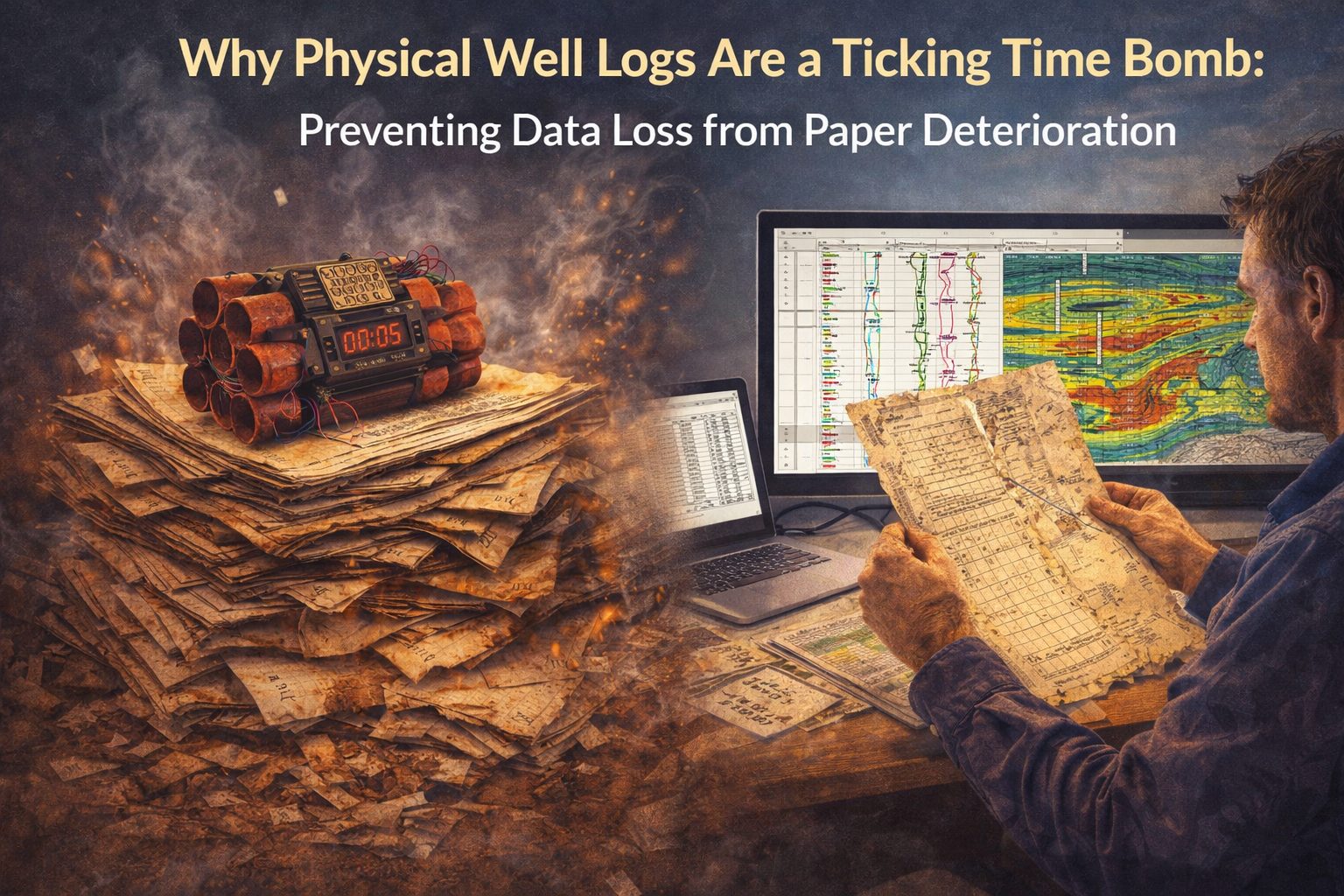
Did you know that data from physical well logs can deteriorate over time, essentially becoming a ticking time bomb for energy companies? These documents provide critical insights into subsurface conditions and can significantly impact decision-making in drilling operations. However, exposing these logs to environmental factors can lead to paper deterioration, resulting in potential data loss that could cost millions. In this comprehensive guide, we will dive deep into the issues surrounding the preservation of well log data, exploring the degradation processes, identifying causes, and offering methods to mitigate risk through digitization. Join us as we uncover the importance of protecting this vital information and how well log digitization services can save the day.
Understanding Well Logs and Their Importance
Well logs are crucial documents used in the energy industry to represent the geological conditions underground. They can come in various formats, including printed documents, charts, and graphs, providing data on rock types, fluid presence, and more. Understanding the vital role these documents play in drilling and extraction processes is essential. Well logs help geologists and engineers make informed decisions, optimizing resource extraction and reducing costs.
The Dangers of Paper Deterioration
Much like any paper product, well logs are susceptible to the natural process of deterioration. This degradation can occur from factors such as:
- Environmental Conditions: Humidity, temperature fluctuations, and exposure to sunlight can weaken paper over time. For instance, high humidity can promote mold growth, and excess heat can make paper brittle.
- Chemicals: Some materials contained in the ink or paper itself can cause deterioration. Chemicals in ink can break down the cellulose fibers in paper, leading to yellowing and perforation.
- Handling: Regular handling and improper storage can accelerate wear and tear. Rough handling can result in creases, tears, and other forms of physical damage.
The Cost of Data Loss
When physical well logs deteriorate, there are significant consequences. Losing valuable geological data can:
- Hinder Decision Making: Without reliable well log information, engineers may make costly errors by drilling in areas of low yield or completely overlook promising locations.
- Increase Costs: If original well logs are lost, companies may need to conduct expensive and time-consuming investigations to gather similar information—often less accurately than the original logs.
- Impact Safety: Moreover, well logs provide critical safety information concerning hazardous geology. Missing or deteriorated logs can lead to unsafe drilling practices, endangering lives and equipment.
How Digitization Can Save Well Logs
Digitization represents a transformative solution for preserving well logs. This process involves creating high-quality, electronic copies of physical documents, thereby ensuring their longevity and accessibility. Here are some key benefits of digitizing well logs:
- Accessibility: Digital logs can be accessed anytime, anywhere, allowing fast data retrieval and remote collaboration. This convenience is vital, especially for teams spread across different locations.
- Protection from Deterioration: Digital copies are immune to environmental degradation, chemical factors, and handling damage. Storing information in digital formats ensures continued usability without fear of deterioration.
- Increased Data Management: Digital formats allow advanced data management options. You can employ various software solutions to analyze, sort, and visualize geospatial data, facilitating more informed decision-making.
- Cost-Effectiveness: While the initial investment in digitization may seem substantial, consider the long-term savings when protecting against data loss and optimizing efficiency.
Steps to Digitize Well Logs
To navigate the digitization of physical well logs, follow these structured steps:
- Assess the Current Condition of Logs: Before proceeding, evaluate the physical state of well logs to determine necessary steps for handling deterioration. Some logs may need careful restoration prior to digitization.
- Select a Scanning Method: Choose the right scanning technology. High-resolution scanners can produce detailed electronic images essential for preserving data.
- Create and Organize a Digital Archive: Organize the digital files in a logical structure that resembles your physical file storage. Make sure to include comprehensive metadata detailing each well log’s specifics (e.g., well name, date of logging).
- Implement Backup Solutions: Establish a robust backup system for digital files. Use cloud-based solutions alongside local storage to ensure data redundancy.
- Set Up Easy Retrieval Systems: Utilize software solutions that allow for easy searchability of logs. Tagging and indexing files will streamline data access for your team.
Protecting Your Data Beyond Digitization
While digitization is a crucial step in preventing data loss, it is essential to implement additional protective measures:
- Regular Audits: Conduct routine checks to ensure the digitized data is intact and accessible. Yearly or bi-annual audits can help mitigate future loss risks.
- Continuous Training for Staff: Educate your team on best practices for handling both physical and digital records. Creating awareness of the importance of these records can enhance care practices.
- Stay Updated with Technology: Digital formats and software are constantly evolving. Ensure your systems are updated and employees understand the latest technological advancements.
Conclusion: Embracing Digitization for the Future
The ticking time bomb of paper deterioration poses significant risks to well log data, threatening essential decision-making processes in the energy industry. With digitization as a powerful tool, companies can safeguard this critical information against environmental and physical risks. As we continue to innovate and rely on data-driven solutions, preserving well logs in digital formats becomes indispensable. Not only does it prevent data loss, but it also promotes efficiency and effectiveness in resource extraction processes.
Are you at risk of losing your valuable well log information? Discover how our digitization methods can help safeguard your data and optimize access.
Learn more about our Data Solutions
- Geophysical and well log digitization
- Seismic section digitization
- Map digitization
- Core photo splicing
- Scout ticket digitization
Related Articles
- Data Digitization and Management Solutions for Geoscience and Engineering
- Quality Control and Validation in Geophysical Well Log Digitization
- Scanning and Structuring Historical Borehole Logs for Digital Analysis
- Extracting Gamma Ray, Resistivity, and Sonic Data from Vintage Well Logs
- From Weeks To Seconds: How Digitized Well Logs Accelerate Reservoir Rock Mapping
- How to View, Compare, and Summarize LAS Files for Free with GAEA Technologies
- Mastering the Code: A Guide to Common Geophysical Curve Abbreviations
- Unlocking Hidden Reserves: Using 3D Visualization of Digital Logs to Find Bypassed Pay Zones
- Why Physical Well Logs Are a Ticking Time Bomb: Preventing Data Loss from Paper Deterioration
- 5 Steps To Convert Your Archive Into An AI-Ready Geospatial Pipeline
- Uncovering the Untapped Potential of Old Well Logs in Carbon Capture and Geothermal Projects
- LAS vs. LIS vs. DLIS: A Geoscientist’s Guide to Digital Well Log Output Formats
- LAS, SEGY, and Beyond: Ensuring Interoperability For Your Newly Digitized Assets
- The Lifecycle of a Well Log: From Mud Logging to Digital Asset
- Asset Preservation: Protecting Your Subsurface Intellectual Property from Physical Deterioration
- The Origin of the LAS Format for Well Logs