

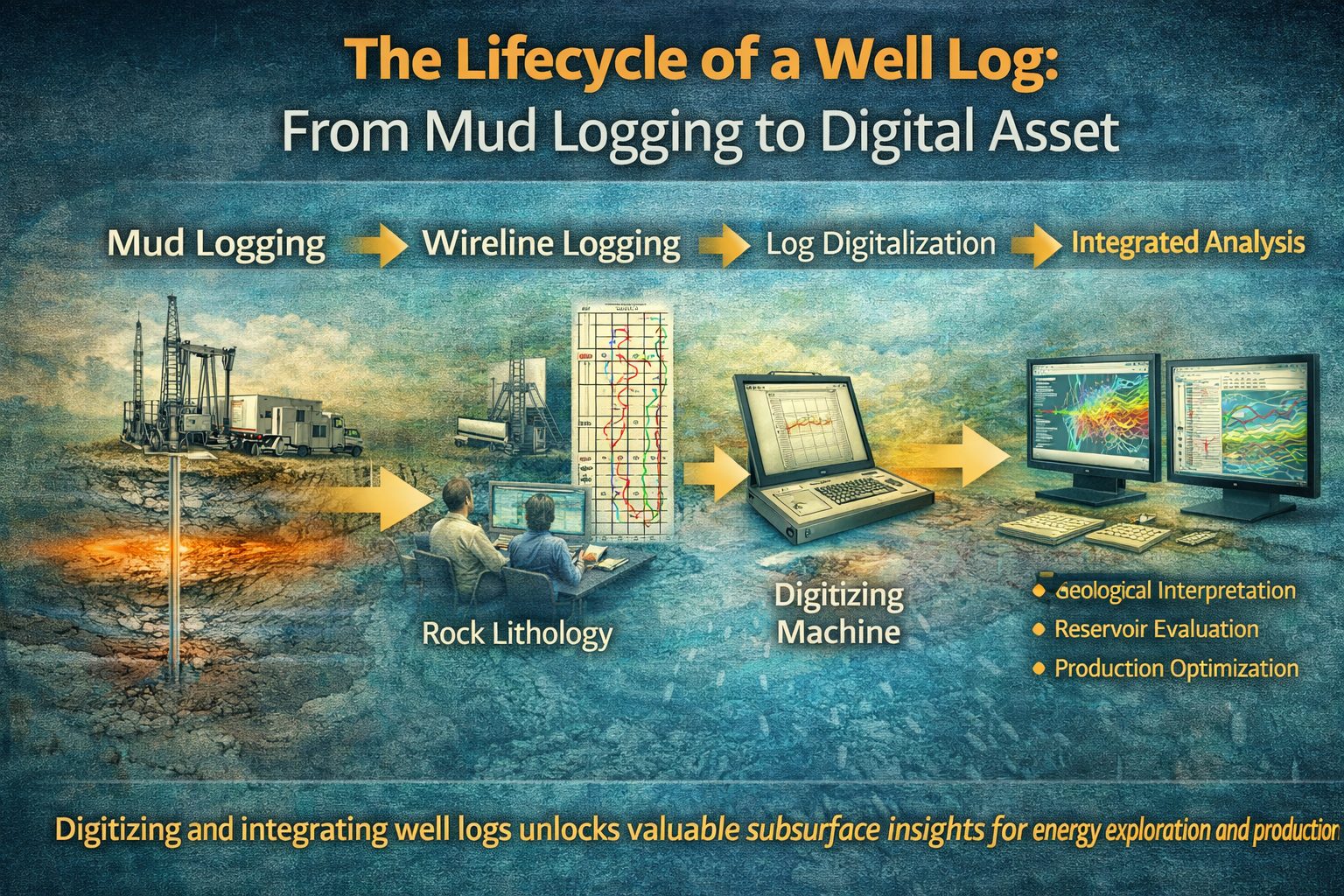
Did you know that well logs contain some of the most crucial data used in the oil and gas industry? These logs, often seen as just a series of measurements recorded on paper, actually hold the key to understanding the geological and hydrological conditions of any drilling site. In this comprehensive blog post, we will take a deep dive into the lifecycle of a well log, shedding light on the entire journey from mud logging during the drilling process to the digital asset it becomes upon digitization. By understanding this lifecycle, professionals in the industry can better leverage well logs as vital assets for decision-making and operational efficiency. So, let’s explore how these logs transform into digital tools that aid in exploration and production success.
Understanding Well Logs
Well logs are measurements taken during the drilling of wells. They are instrumental in providing insights about the surrounding geology, fluid content, and other critical information related to the well. Understanding well logs is essential for geologists, engineers, and anyone involved in oil and gas exploration.
The Initial Phase: Mud Logging
- What Is Mud Logging?
Mud logging is the process of collecting a continuous record of rock cuttings brought to the surface during drilling. It is vital for real-time analysis of geological formations. Mud loggers analyze the cuttings, monitor gas levels, and document the drilling conditions as the well is drilled. All of this data feeds directly into the well log. - Key Activities During Mud Logging
The key activities during mud logging involve:
- Sampling: Collecting rock cuttings based on depth intervals.
- Gas Monitoring: Measuring hydrocarbon gases to assess the potential of each drilled interval.
- Recording Measurements: Capturing various parameters such as weight on bit, rate of penetration, and mud properties.
Creating the Well Log
Once mud logging is complete, the data is compiled into a well log. The well log is a comprehensive document that lists:
- Depth of the well
- Physical properties of the rock layers
- Identification of hydrocarbon-bearing formations
- Evaluation of porosity, permeability, and saturation levels
This log serves as a foundational document for future analysis.
The Transformation to Digital Asset
- Importance of Digitization
The conversion of physical well logs to digital formats is crucial in modern operations. Digital well logs are more accessible and easier to analyze than their paper counterparts. They also allow for advanced data manipulation, integration with other software tools, and improved collaboration among teams. - Digitization Process
The typical process of digitization involves the following steps:
- Scanning: High-resolution scanners are used to create digital images of the paper log.
- Data Extraction: Using Optical Character Recognition (OCR) technology or manual entry to convert measured data into a digital format.
- Quality Control: Verification checks are essential to ensure the accuracy of the converted data.
Benefits of Well Log Digitization
Digitizing well logs offers numerous advantages, particularly in terms of:
- Improved Accessibility: Digital well logs can be accessed from anywhere, allowing remote teams to collaborate better.
- Enhanced Data Analysis: With digital logs, engineers can utilize specialized software to analyze the data more efficiently.
- Long-term Preservation: Digital records are more durable than paper, reducing the risk of loss due to degradation or physical damage.
Using Well Logs for Decision Making
- Exploration Decisions
Well logs provide insights that guide exploration strategies. By analyzing the geological formations and fluid content, companies can make informed decisions about where to drill, reducing risks and associated costs. - Production Optimization
Understanding how reservoirs behave helps in optimizing production techniques. Access to accurate well logs allows engineers to plan extraction methods that maximize yield while minimizing environmental impact.
The Future of Well Logs
- Integration with AI and ML
The future of well logging greatly intersects with advancements in artificial intelligence and machine learning. Data algorithms can analyze patterns and predict outcomes based on historical data from well logs. This predictive capability can transform the industry, allowing for more strategic drilling operations. - Sustainability Efforts
As the world shifts toward sustainability, well logs serve a role in efficiently managing resources. Digitization fosters environmentally friendly practices by facilitating better monitoring and management of well operations, thus minimizing waste and potential hazards.
Tips for Effective Well Log Management
To fully leverage the potential of well logs, consider the following:
- Implement a robust data management system that ensures logs are stored securely and are easily retrievable.
- Regularly update digital well log databases and conduct audits to maintain data integrity.
- Train staff to analyze well logs effectively and integrate findings into exploration and production strategies.
- Engage with technology providers to explore new digitization and analysis tools that can enhance operations.
Conclusion: What Next?
The lifecycle of a well log, from mud logging to becoming an indispensable digital asset, is a fascinating journey that underscores the importance of technology in the oil and gas industry. By embracing digitization, companies not only enhance performance but also position themselves for a sustainable future in resource management. It’s essential to streamline and modernize your processes, keeping abreast of technological advancements.
For further insights on how well log digitization services can reshape your operations,
Learn more about our Data Solutions
- Geophysical and well log digitization
- Seismic section digitization
- Map digitization
- Core photo splicing
- Scout ticket digitization
Related Articles
- Data Digitization and Management Solutions for Geoscience and Engineering
- Quality Control and Validation in Geophysical Well Log Digitization
- Scanning and Structuring Historical Borehole Logs for Digital Analysis
- Extracting Gamma Ray, Resistivity, and Sonic Data from Vintage Well Logs
- From Weeks To Seconds: How Digitized Well Logs Accelerate Reservoir Rock Mapping
- How to View, Compare, and Summarize LAS Files for Free with GAEA Technologies
- Mastering the Code: A Guide to Common Geophysical Curve Abbreviations
- Unlocking Hidden Reserves: Using 3D Visualization of Digital Logs to Find Bypassed Pay Zones
- Why Physical Well Logs Are a Ticking Time Bomb: Preventing Data Loss from Paper Deterioration
- 5 Steps To Convert Your Archive Into An AI-Ready Geospatial Pipeline
- Uncovering the Untapped Potential of Old Well Logs in Carbon Capture and Geothermal Projects
- LAS vs. LIS vs. DLIS: A Geoscientist’s Guide to Digital Well Log Output Formats
- LAS, SEGY, and Beyond: Ensuring Interoperability For Your Newly Digitized Assets
- Asset Preservation: Protecting Your Subsurface Intellectual Property from Physical Deterioration
- The Origin of the LAS Format for Well Logs