

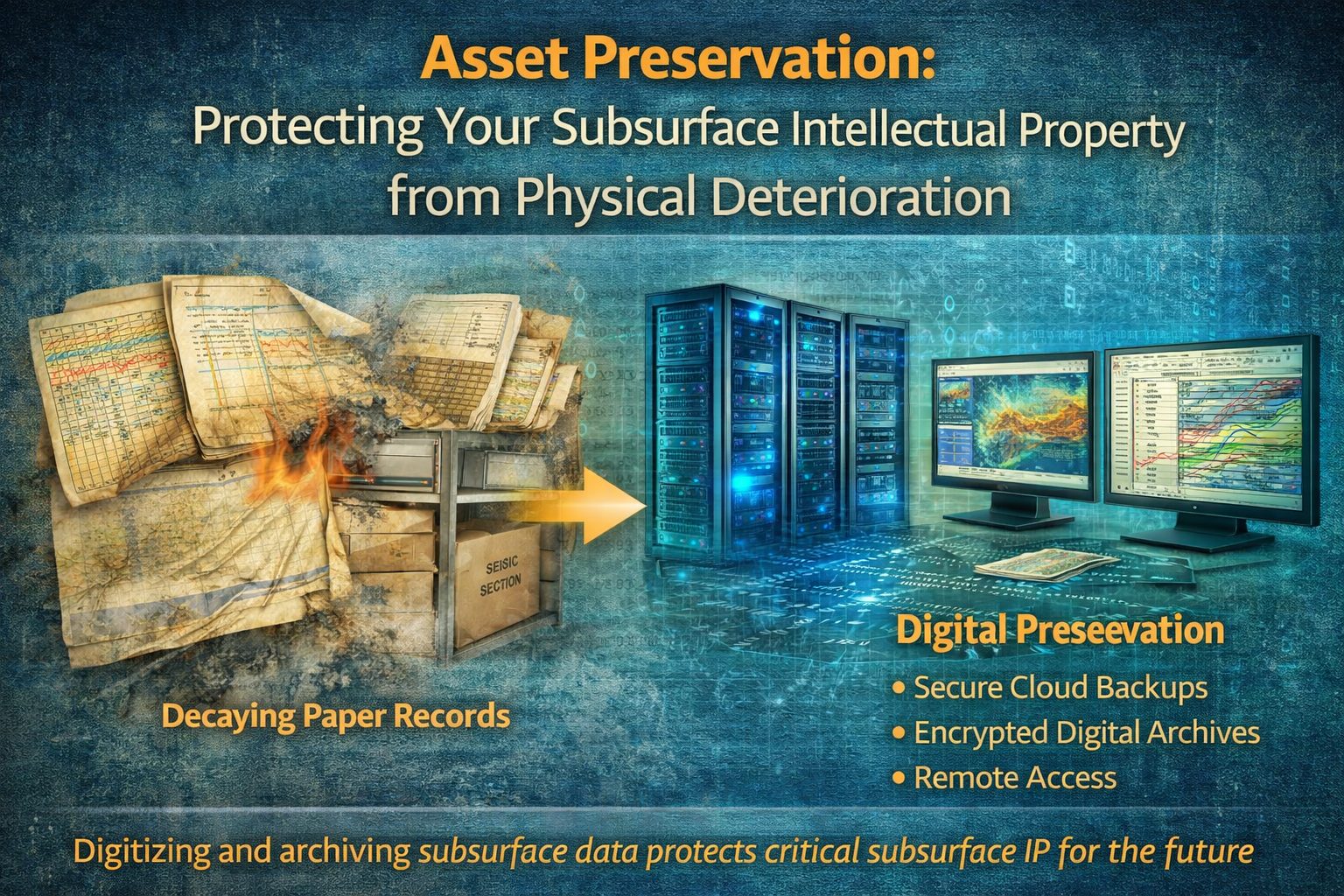
Did you know that 70% of physical assets degrade over time due to neglect and inadequate preservation strategies? When it comes to subsurface intellectual property, this statistic is alarming. In many industries, especially those focused on geology and seismic imaging, the protection of valuable data and resources is critical. Asset preservation is not just about safeguarding physical items; it is about ensuring that your company’s future is sustainable. In this blog post, we will explore practical strategies for preserving your subsurface intellectual property, focusing specifically on the digitization of seismic sections. We will cover best practices and innovative technologies that can reduce physical deterioration and enhance the longevity of your vital data.
Understanding the Importance of Asset Preservation
Asset preservation involves maintaining the integrity of physical and intellectual resources. In industries reliant on geology, like oil and gas exploration, the need to protect seismic data is paramount. Seismic sections are a representation of subsurface geology, crucial for making informed decisions regarding exploration and extraction. Failing to digitize and preserve these sections can lead to financial losses and halt progress.
The Risks of Neglecting Seismic Data
Neglecting to preserve seismic data presents several risks:
- Loss of Historical Data: Physical seismic sections can degrade due to environmental factors like moisture, heat, and improper storage.
- Inaccessibility: Without digitization, accessing physical archives can be cumbersome, reducing operational efficiency.
- Intellectual Property Theft: Unsecured data is vulnerable to unauthorized access, leading to potential IP theft.
- Increased Costs: Re-acquiring data through re-surveying or reconstruction can exponentially increase operational costs.
Benefits of Digitizing Seismic Sections
Digitization offers tremendous advantages in asset preservation. Here’s why:
- Accessibility: Digital data can be easily retrieved and shared across teams, expediting decision-making processes.
- Durability: Digital files are less susceptible to degradation compared to physical paper copies.
- Integration with Modern Technologies: Digitized data can be analyzed using advanced software and machine learning algorithms to derive deeper insights.
- Enhanced Security: Digital copies can be encrypted and backed up, protecting them from theft and ensuring they are preserved even in the event of a disaster.
Strategies for Effective Asset Preservation
1. Implement Robust Digitization Processes
The first step in preserving seismic data is to establish a digitization protocol. Here’s how:
- Identify your collection of seismic sections and assess their physical condition.
- Develop a plan to digitize these sections using high-quality imaging technologies.
- Store the digitized files in a secure, easily accessible digital library.
2. Maintain and Update Your Digital Archives
Simply digitizing data isn’t enough; it requires constant maintenance. Key actions include:
- Regularly audit your digital libraries to ensure all data is intact and properly stored.
- Update digital formats as technology evolves to avoid obsolescence.
- Implement a data entry protocol that maintains consistency in metadata across all files.
3. Utilize Cloud Storage Solutions
Cloud storage can offer scalable and secure solutions for data management. Benefits of cloud storage include:
- Automatic backups reduce the risk of data loss.
- Scalable storage allows a growing digital library without compromising accessibility.
- Enhanced collaboration among geographically dispersed teams by allowing access to the same files from different locations.
4. Ensure Data Security and Compliance
Data security is critical, especially when handling proprietary information. Ensure compliance through:
- Employing encryption methodologies to protect sensitive data.
- Regularly training staff on data handling and security best practices.
- Conducting risk assessments to identify different vulnerabilities and implement solutions.
Technology at the Forefront of Asset Preservation
Emerging technologies are enhancing how companies digitize and preserve seismic data. Some noteworthy innovations include:
- Artificial Intelligence: AI can analyze seismic data faster and more accurately than traditional methods. By leveraging machine learning algorithms, valuable insights can be derived from even the most complex data sets.
- Blockchain: This technology can ensure data integrity and secure transactions of seismic data between parties, making it less susceptible to unauthorized alterations.
- Virtual Reality (VR) and Augmented Reality (AR): VR and AR interfaces allow for immersive visualization of seismic data, enabling more intuitive analysis and interpretation.
Current Trends in Asset Preservation for Seismic Data
Sustainable Practices
More organizations are turning to sustainable practices in asset preservation. This includes:
- Using eco-friendly materials in seismic section storage.
- Opting for digital formats that require less physical space and resources for maintenance.
Collaborative Platforms
Team collaboration has become more critical than ever. Companies are adopting platforms that:
- Allow for real-time updates and feedback on seismic projects.
- Simplify the sharing of digitized data among cross-functional teams to enhance the quality of decisions made.
The Role of Training
Investing in employee training is essential for preserving intellectual assets. Activities should focus on:
- Familiarizing staff with new technologies and digitization processes.
- Promoting a culture of adherence to best preservation practices.
Final Thoughts: Where Do We Go From Here?
Asset preservation is crucial for safeguarding your subsurface intellectual property against physical deterioration. As we navigate the complexities of managing seismic data, the principles outlined in this blog post offer a structured approach to ensure long-term security and accessibility. By digitizing seismic sections, maintaining databases, and utilizing modern technologies, companies can mitigate risks associated with asset degradation and foster operational resilience.
Incorporating these strategies not only protects vital resources but also positions your organization at the forefront of innovation.
Learn more about our Data Solutions
- Geophysical and well log digitization
- Seismic section digitization
- Map digitization
- Core photo splicing
- Scout ticket digitization