
Did you know that organizations are losing valuable time and data by sticking to outdated geotechnical software like gINT? With rapid technological advancements, it is crucial to recognize the importance of planning your transition away from legacy desktop tools. In this comprehensive guide, we’ll explore the significant steps involved in migrating your geotechnical data management to modern and efficient software solutions. From identifying the benefits of updated software to outlining a strategic migration plan, you’ll gain valuable insights on how to enhance your geotechnical projects and improve your business outcomes.
Understanding the Importance of Modern Geotechnical Software
In the fast-paced world of geotechnical engineering, technology plays a pivotal role in ensuring efficiency and accuracy. Legacy systems like gINT may have served their purpose in the past, but with evolving project demands and data complexity, relying on these outdated tools can lead to bottlenecks and inefficiencies.
The Cost of Sticking with Legacy Systems
Many organizations still utilize gINT and similar desktop solutions due to habit or because they feel comfortable with the familiar interface. However, continuing with these systems can have hidden costs. These include:
- Increased Project Delays: Outdated software may lack the latest features and integrations that streamline workflows, causing delays in project delivery.
- Higher Maintenance Costs: As technology progresses, maintaining older systems becomes more expensive and complex.
- Data Vulnerability: Legacy systems can pose risks regarding data integrity and security, especially if not regularly updated.
Benefits of GDMS Software
Switching to GDMS can offer numerous advantages, such as:
- Real-Time Data Access: GDMS provides immediate access to critical project information, improving collaboration among teams.
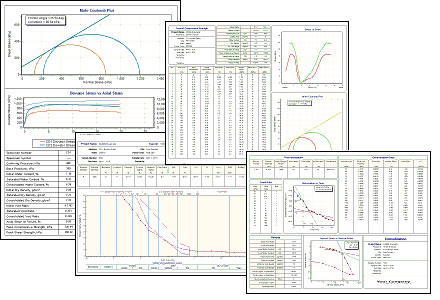
- Enhanced Reporting and Analysis: With advanced analytics, users can generate insightful reports that drive informed decision-making.
- Improved Data Visualization: Better visualization tools help convey complex data in understandable formats, making it easier for stakeholders to grasp project parameters.
Planning Your Migration Strategy
Migrating to new software is a significant step that requires meticulous planning. Here are the key steps to consider:
Step 1: Assess Current Systems and Needs
Start by evaluating your existing gINT setup and identifying what works and what doesn’t. Understanding your requirements will help you select the best software solution for your needs.
Step 2: Define Your Goals
Outline clear goals for the migration process. Are you looking to improve data accuracy, increase collaboration, or enhance reporting capabilities? Having specific goals will steer your migration efforts.
Step 3: Choose GDMS as Your Software Solution
Research and assess GDMS. Look for features that align with your needs, including user-friendly interfaces, cloud capabilities, and integration features.
Step 4: Create a Migration Plan
Develop a step-by-step migration plan that includes timelines, responsible parties, and milestones to track progress. Ensuring everyone understands their roles can help streamline the process.
Step 5: Data Preparation and Cleaning
Before migration, it’s essential to clean and validate your existing data to avoid transferring errors. This step enhances data quality and ensures a smooth transition.
Step 6: Conduct Testing and Validation
After migrating data, conduct rigorous testing to confirm data integrity and that all functionalities work as expected. Bug testing is crucial to avoid issues down the line.
Step 7: Train Your Team
Once GDMS is in place, provide training sessions for your team. Familiarizing them with the system can increase adoption rates and overall productivity.
Step 8: Monitor and Optimize Performance
Post-migration, continue to monitor GDMS’s performance and make necessary adjustments. Your focus should be on optimizing workflows and addressing any challenges that arise.
Addressing Common Concerns
As with any transition, migration to GDMS software may bring about some concerns:
- User Adaptability: Employees may resist changes due to fear of the unknown. Address these fears head-on by demonstrating how GDMS benefits them.
- Data Loss Fears: Reassure stakeholders that rigorous testing and backup plans are in place to mitigate the risk of data loss during migration.
- Interruption of Workflows: To minimize disruptions, plan the migration during off-peak hours if possible.
Final Thoughts: Preparing for a Bright Future
As organizations move towards modern geotechnical solutions, the benefits of transitioning from gINT and legacy desktop tools become increasingly apparent. By planning your migration to GDMS effectively, you set the stage for improved project outcomes, enhanced data insights, and overall better business performance.
Where Do We Go From Here?
By making the transition to GDMS, you can future-proof your projects and maximize your resources.
Ready to take the next step? Learn more about GAEA Technologies and how they can assist you in your migration journey by visiting.
Remember that embracing technology today is essential for success tomorrow, and the key to great efficiency is consistency—so start your migration process today!