

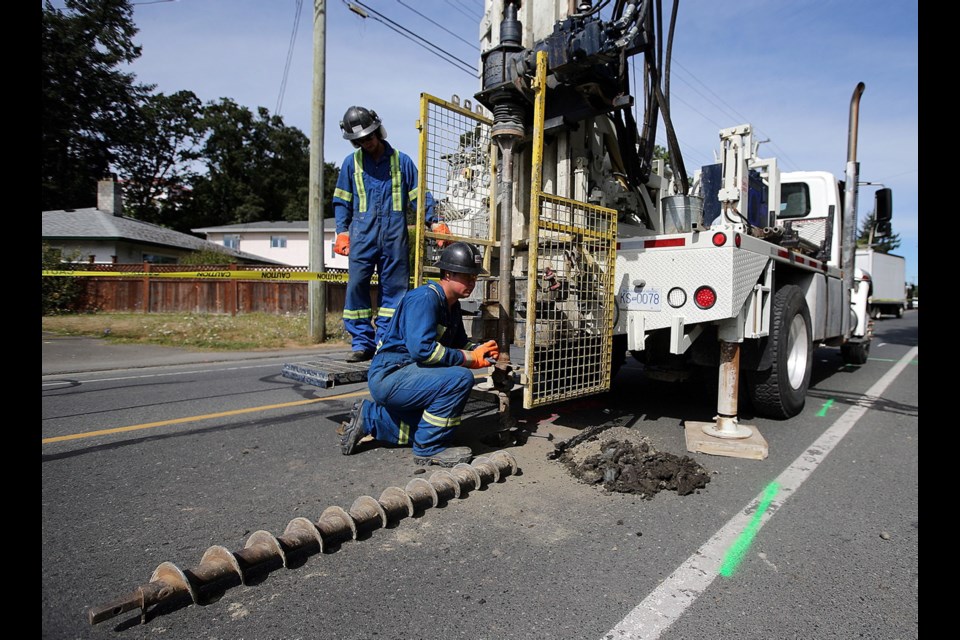
Did you know that nearly 70% of businesses find it challenging to develop a robust emergency response plan? This is particularly true in industries like environmental and geotechnical drilling, where safety and adherence to regulations are paramount. An effective emergency response plan is not just essential for compliance but also vital for protecting personnel, safeguarding the environment, and mitigating potential legal liabilities. In this comprehensive guide, we will delve into the intricacies of creating a successful emergency response plan tailored for environmental and geotechnical drilling operations, ensuring your business is prepared for the unexpected.
Creating an emergency response plan for environmental and geotechnical drilling is a critical step in ensuring the safety of your operations. This detailed guide breaks down the essential components, steps, and considerations necessary for developing a robust response strategy.Through this blog, we aim to provide valuable insights that empower you to craft an emergency response plan that meets industry standards while being practical and implementable in real-world scenarios.
Understanding the Importance of an Emergency Response Plan
Every drilling project comes with its own set of risks, whether it’s related to the environmental impact, personnel safety, or equipment failure. Understanding the potential for emergencies, ranging from minor incidents to major catastrophes, underlines the importance of having a well-thought-out plan. Without it, teams can react chaotically during an incident, leading to undue risks. Here, we outline the major benefits that a proper emergency response plan offers:
- Protection of Personnel: The primary goal is to ensure all personnel are safe during emergencies. A clear plan can help mitigate dangers and guide on-site teams through critical situations.
- Environmental Safety: Drilling operations can pose risks to local ecosystems. A response plan can identify strategies for containment and clean-up in case of accidental spills or ecological harm.
- Regulatory Compliance: Most regions have regulations that mandate an emergency response framework. Adherence not only avoids penalties but also enhances the trustworthiness of your operations.
- Brand Reputation: In the modern business landscape, how a company handles emergencies can significantly affect its reputation. A strong response plan demonstrates responsibility and foresight to partners, clients, and the community.
Step-by-Step Guide To Developing Your Emergency Response Plan
Designing an effective emergency response plan can seem daunting, but breaking the process into smaller, manageable steps can help immensely.
Step 1 – Risk Assessment
Conduct a thorough risk assessment of your drilling site. Identify potential hazards unique to your operations, including:
- Equipment failure
- Chemical spills
- Natural disasters (e.g., earthquakes, floods)
- Human error
Document these hazards, considering their probability and potential consequences.
Step 2 – Define Response Procedures
Once risks have been identified, outline a plan that specifies procedures for responding to each potential incident. General categories to consider include:
- Evacuation Protocols: Outline how to safely evacuate personnel. Identify exit routes, assembly points, and ensure everyone knows where to go in an emergency.
- Communication Plan: Having clear communication channels is essential. Designate specific individuals for reporting incidents to management, regulatory agencies, and emergency services.
- Containment Measures: Develop strategies to contain spills or hazards. Specify the resources and personnel responsible for these tasks, which could include booms, absorbents, or specialized response teams.
Step 3 – Personnel Training
Training is key to ensuring your emergency response plan is effective. Conduct training sessions that cover:
- How to recognize potential hazards
- Proper emergency protocols
- Use of emergency equipment
- First aid and CPR training
Frequent drills and exercises based on real scenarios can enhance preparedness and ensure everyone knows their roles.
Step 4 – Review and Update the Plan
An emergency response plan should not be a static document. Regularly review and revise the plan to incorporate:
- Lessons learned from incidents or drills
- Changes in regulations
- New technologies or equipment
- Staff turnover
Continuous updates will keep the plan relevant and effective.
Key Components of an Emergency Response Plan
A comprehensive emergency response plan should typically incorporate the following elements:
- Emergency Contact List: Maintain an updated list of key contacts, including internal team members, local emergency services, and environmental agencies.
- Site Maps: Create detailed site maps indicating locations of equipment, water sources, emergency exits, and first-aid stations. Distribute these maps to all personnel and place copies in strategic locations.
- Resource Availability: List all available resources for emergencies, such as firefighting equipment, spill kits, or first-aid supplies, and their locations.
Staying Compliant with Regulations
Regulatory compliance is critical in drilling operations, where standards tend to be stringent. Ensure your emergency response plan aligns with:
- OSHA Standards: The Occupational Safety and Health Administration (OSHA) outlines regulations to protect worker safety. Familiarize yourself with these requirements and integrate them into your plan.
- EPA Regulations: The Environmental Protection Agency (EPA) mandates regulations related to leaking underground storage tanks, hazardous waste, and spills. Understand these regulations thoroughly to maintain compliance.
- State and Local Laws: Prioritize state and local laws that may impose additional requirements on your drilling operations.
Tools and Technology for Effective Response
Leveraging the right tools can enhance your emergency response readiness. Some resources to consider include:
- Drilling Monitoring Software: Utilize advanced logging software like WinLoG that can assist in tracking drilling data and environmental parameters, ensuring better situational awareness.
- Incident Management Software: Implement software solutions to streamline incident reporting and management, helping to maintain a historical log of events for future reference.
- Training Platforms: Use digital platforms to manage training schedules, launch drills, and track employee participation and performance.
Engaging Your Stakeholders
Communication shouldn’t be limited to just internal teams; engaging your stakeholders—including clients, local communities, and regulatory bodies—fosters cooperation and transparency. Key steps include:
- Inform stakeholders about your emergency response plan
- Conduct informational sessions that cover potential risks associated with your drilling
- Seek feedback to improve your strategies
Putting It All Together
An effective emergency response plan serves as a blueprint for navigating emergencies responsibly and effectively. It should be a dynamic tool that evolves with your organization, addressing changes in personnel, regulations, and operational technologies. By fostering a culture of preparedness and honing your response strategies, your organization can minimize risks and impact, ensuring the safety of your personnel and the integrity of the environment.
So Now What?
Having tackled the core components of an emergency response plan for environmental and geotechnical drilling, it’s time to take action. Use this guide to begin drafting or refining your response plan, ensuring it fits your specific operational needs.
Remember, thorough planning and preparation can protect lives and the environment, so prioritize the development of your response strategies today!
In the face of uncertainty, the key is to remain proactive. A well-prepared response plan will not only enhance safety but also secure your operation’s reputation in the industry. Let’s be ready for the unexpected together!