

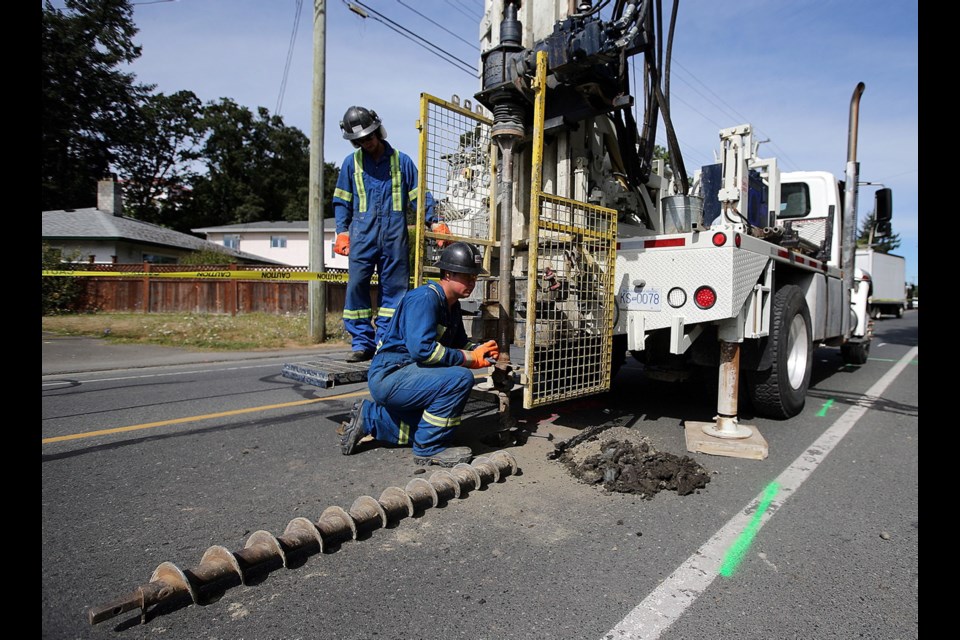
Did you know that pinpointing the right drilling locations for geotechnical investigations can significantly reduce project costs and increase efficiency? In the realm of civil engineering and construction, selecting optimal drilling sites is paramount for acquiring accurate subsurface information. This blog post will delve deep into the essential methods and strategies for determining drilling locations, ensuring that every investigation yields valuable insights into the geological environment. By the end of this guide, you’ll not only understand what factors to consider but also be equipped with actionable strategies to streamline your drilling operations.
Understanding Geotechnical Investigations
Geotechnical investigations play a crucial role in construction projects, assessment of soil stability, foundation design, and environmental evaluations. This field encompasses the study of how earth materials behave under various conditions and how they impact structural integrity.
Before embarking on any drilling activities, it is essential to gather pertinent data that informs site selection. Various methods can be employed to ascertain the most effective drilling locations. Let’s explore some fundamental concepts that underpin successful geotechnical investigations.
Key Factors Influencing Drill Location Selection
- Soil Type & Composition
Understanding the geological composition of the area is the backbone of any investigation. Certain soil types, like clay, require specialized equipment and techniques for drilling, impacting the location decision significantly. - Topography
The physical landscape of a site influences access and drilling feasibility. Steep slopes or dense vegetation may hinder operations, necessitating alternative locations. Assessing terrain also aids in reducing costs associated with site preparation. - Proximity to Infrastructure
When selecting locations, consider the distance to existing infrastructure. Placing drilling sites near utility lines, roads, or buildings can provide easier access but may also impose risk factors, such as interference with existing utilities. - Regulatory Compliance
Every region has its regulations surrounding geotechnical investigations. Understanding local laws can dictate whether certain areas are permissible for drilling and helps avoid legal ramifications. Always check for permits related to land use or environmental protection. - Historical Data
Reviewing previous investigations in adjacent regions may provide insights and data that inform your location choices. Established historical data can pinpoint issues already identified and allow for a more extensive analysis based on past findings. - Geographic Information Systems (GIS)
Utilize GIS to analyze spatial data regarding potential sites. GIS can precisely handle environmental, geological, and infrastructural data, assisting in visualizing site conditions and their implications on drilling locations.
Conducting Preliminary Surveys
Before finalizing drilling locations, initial surveys should include:
- Soil Sampling: Collecting preliminary soil samples can uniquely inform the selection of drilling sites.
- Ground Penetrating Radar (GPR): This technology aids in identifying subsurface structures without excavation.
- Remote Sensing: Employ methods like satellite imagery to assess site characteristics effectively.
The Role of Technology in Improving Drill Location Selection
Advancements in technology have revolutionized the way engineers approach geotechnical investigations:
- 3D Visualization: Tools for 3D modeling can produce detailed models of subsurface conditions, enhancing the selection process for optimal drilling locations.
- Data Integration: Modern data analysis techniques facilitate the integration of various data sources, leading to more accurate predictions about soil behavior and drilling feasibility.
Environmental Considerations in Site Selection
When determining drilling locations, it’s critical to be mindful of the surrounding environment. Environmental concerns can not only influence site acceptance but also impact public perception of the project:
- Pollution Risks: Ensure that drilling operations won’t disturb contaminated land or water sources, notifying relevant environmental authorities if necessary.
- Flora and Fauna Impact: Assess and mitigate any negative impacts drilling could have on local wildlife and vegetation. Performing environmental impact assessments as part of preliminary surveys can be beneficial.
Efficiency Strategies for Drilling Locations
Once the ideal drilling spots are identified, consider integrating the following strategies to improve operational efficiency:
- Mobilization: Plan a detailed mobilization process to ensure equipment and personnel can reach the site with the least amount of downtime.
- Site Preparation: Optimize site preparation work to reduce delays. Efficient ground preparation can significantly impact the speed and safety of your drilling operations.
- Resource Allocation: Ensure that your teams have the necessary resources and training to handle equipment effectively during drilling activities. Proper training can mitigate risks and enhance performance quality.
Best Practices and Considerations
While technology and analytical tools are influential, best practices remain essential in ensuring that drilling locations are selected efficiently:
- Stakeholder Involvement: Engage with stakeholders early in the process to ensure all voices are heard and potential concerns are addressed.
- Transparent Communication: Maintain clear communication with the community about the purpose and expected impact of the drilling operations. Supplying information can foster goodwill and lessen objections.
- Documentation: Keep detailed records of your investigations. Documenting findings aids future projects and ensures compliance with relevant regulations.
Conclusion
Selecting drilling locations for geotechnical investigations is a multifaceted process that relies on understanding geological conditions, environmental considerations, and strategic planning. By assessing soil types, understanding the local environment, and utilizing technology, better decisions can be made that save time and money.
As you embark on your next drilling project, leverage the insights gained from this article. Ensuring that your team is well-equipped to evaluate potential drilling locations is not just a matter of efficiency; it is also a commitment to safety and regulatory compliance.