

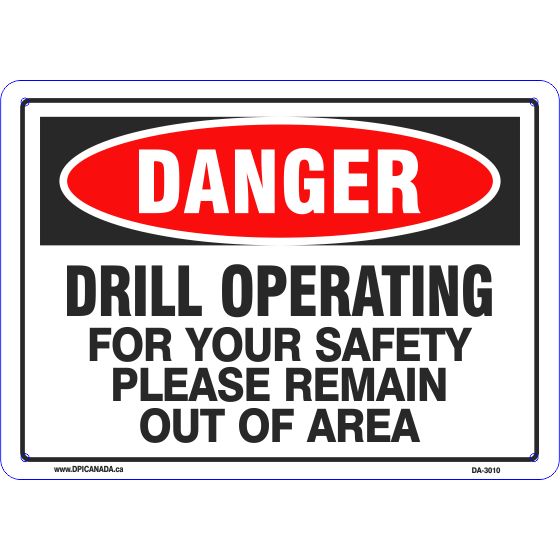
Implementing a robust HASP ensures everyone on site is aware of hazards and equipped to manage them effectively. In this extensive guide, we will delve into the nuts and bolts of creating a site-specific Health & Safety Plan, addressing potential risks, compliance requirements, and best practices to safeguard your team and expedite your projects. Expect to walk away with insightful strategies that will help you craft a plan tailored for your needs!
Understanding the Need for a HASP
A Health & Safety Plan (HASP) is not just a bureaucratic requirement. It serves as a critical tool that guides teams through the dangers associated with environmental and geotechnical investigations. Such investigations often involve hazardous materials, heavy machinery, and unstable terrains, making it imperative that all team members take health and safety seriously.
- Defining the Scope of Your Project
A clear understanding of what your investigation involves helps to tailor the HASP. Identifying potential hazards early can make all the difference. For instance, drilling into the ground may uncover contaminated soil or groundwater. Consider these elements:
- Types of materials to be excavated
- Weather conditions and logistics
- Accessibility to the site
- Identifying Hazards
With your project scope outlined, the next step is a thorough hazard identification process:
- Physical Hazards: This includes any machinery being operated and the potential for slips, trips, and falls.
- Chemical Hazards: Chemicals present in soil, groundwater, or used in procedures must be analyzed.
- Biological Hazards: Depending on your location, biological contaminants such as bacteria or mold could be a concern.
Carrying out risk assessments can provide clarity in what protective measures are necessary.
- Roles and Responsibilities
Clearly defining roles helps in ensuring accountability. Every team member should know their responsibilities when it comes to following the HASP.
Sample roles include:
- Project Manager: Oversees the entire operation and ensures compliance with health and safety protocols.
- Safety Officer: Directly responsible for enforcing safety measures and communicating hazards to the team.
- Field Workers: They must be trained to recognize hazards and understand the safety measures in place.
- Emergency Procedures and Response Plans
An effective HASP must include a well-outlined emergency response plan. This comprehensive plan should cover:
- Defined escape routes
- Location of first aid kits and emergency equipment
- Contact information for emergency services
Preparing your team for unexpected situations can prevent panic and potential injuries.
- Training and Communication
Training must be an ongoing process. Before starting the project, it’s essential to have a kick-off meeting to discuss the HASP:
- Ensure that all team members understand the hazards associated with their specific tasks.
- Regularly scheduled briefings can reinforce safety protocols and discuss any new hazards that may arise during the investigation.
Here, it’s also vital to establish clear forms of communication. Consider daily check-ins or using hand signals and radios on-site.
- Monitoring and Reviewing the HASP
The HASP is a living document that should be reviewed and updated regularly throughout the project. Occasional audits can help assess whether the plan is effectively serving its purpose. Indicators such as near-miss incidents can also help adjust strategies for the future. Collect feedback from the team on the plan’s effectiveness and make amendments where necessary. - Compliance with Regulations
Each state or region may have specific regulations dictating how a HASP should be structured. Make sure you are aware of these regulations and ensure your HASP complies fully to avoid penalties or, even worse, accidents.
Additionally, consider industry standards such as those outlined by OSHA (Occupational Safety and Health Administration) which provide further guidance on the necessary elements of a HASP. - Documenting Hazard Assessments and Action Plans
All findings regarding the site should be meticulously documented. This includes:
- Hazard assessments
- Training sessions and employee participation
- Safety briefings and communication records
By documenting thoroughly, you are not only complying with regulations but also building a resource for future projects.
- The Role of Technology in Managing HASP
Digital tools can simplify the process of creating and maintaining a HASP. Software systems can provide:
- Accessibility to the HASP for all team members.
- Automated reminders for training.
- An easy way to document findings on site.
- Implementation of Personal Protective Equipment (PPE)
Ensuring proper PPE is issued and used while following the HASP is crucial for reducing risks. This can include:
- Helmets, gloves, and goggles.
- Respirators when working with hazardous materials.
- High-visibility vests when working with heavy machinery.
Each member of the team should have access to specific instructions on when and how to utilize their respective PPE.
- Health Monitoring and Reporting
A post-project review should involve an assessment of health impacts caused by exposure to hazardous materials during the investigation. Consider using health monitoring systems to track symptoms or health issues arising from work on-site.
Clear reporting procedures should also be established to document any injuries sustained during work to further refine safety measures.
Final Thoughts
So now what? A well-crafted site-specific Health & Safety Plan is the keystone of effective environmental and geotechnical investigations. By following these steps, you not only ensure compliance but protect your most valuable asset: your team. Remember, your HASP is not just a box to tick; it is a fundamental element that prioritizes safety and minimizes risks.