

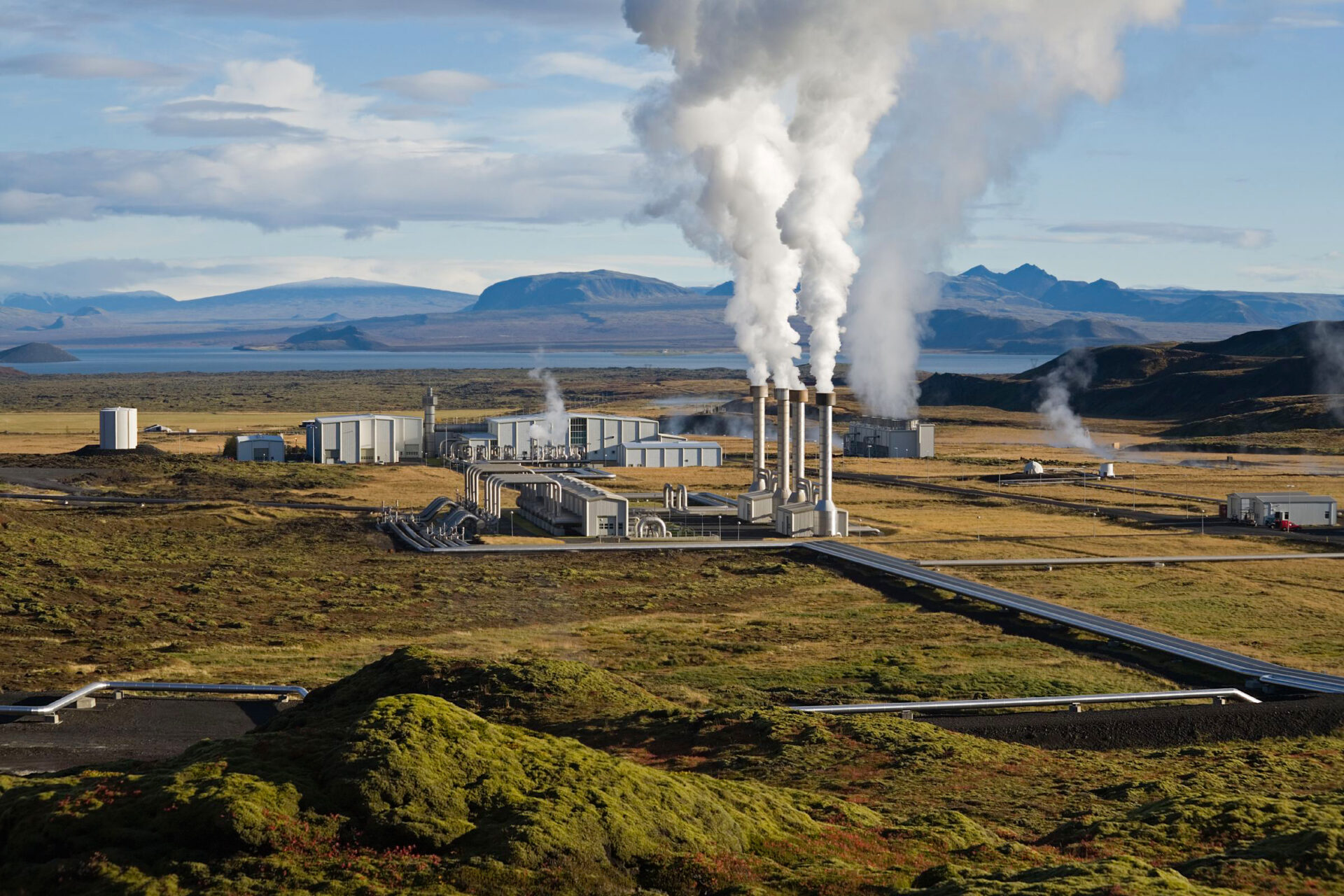
Did you know that the geothermal energy market is projected to reach $41 billion by 2027? This explosive growth is primarily fueled by a shift toward sustainable energy sources, making the role of well logging more critical than ever in exploring and developing geothermal resources. In the realm of geothermal energy, effective well logging is a pivotal tool for understanding subsurface conditions and optimizing resource management. This post will explore how adapting traditional well logging techniques can lead to enhanced geothermal success, providing valuable insights for industry professionals, researchers, and anyone interested in sustainable energy. From understanding the basics of well logging to examining innovative applications in geothermal energy, we will cover essential aspects that can help redefine your approach to harnessing geothermal power.
Understanding Well Logging and Its Importance
Well logging is the process of recording the physical, chemical, or geological properties of a borehole or well. Traditionally used in oil and gas exploration, this technique is equally relevant for geothermal resource assessment. The need for precise data is paramount in geothermal projects, where drilling costs are high, and the potential for success depends on the accuracy of subsurface information. By employing well logging techniques, professionals can evaluate the geological formations encountered during drilling, analyze fluid characteristics, and identify potential geothermal reservoirs. This wealth of data empowers project stakeholders to make informed decisions, effectively minimizing risks and maximizing resource recovery.
The Basics of Geothermal Energy
Before diving deeper into the specifics of well logging, let’s outline what geothermal energy is and why it holds such promise as a sustainable energy source. Geothermal energy harnesses heat from the earth’s core that can be found in various forms, including steam, hot water, or hot dry rocks. This energy can be used directly for heating or converted into electricity using geothermal power plants.
The unabated extraction of geothermal energy can be likened to harvesting a sustainable crop—when managed correctly, it remains a renewable resource that can provide energy for many years. As governments and organizations pledge to reduce carbon footprints, geothermal energy is at the forefront of clean energy initiatives.
The Role of Well Logging in Geothermal Exploration
So how can well logging techniques enhance the effectiveness of geothermal exploration? Here are the primary facets that illustrate the integral relationship between well logging and geothermal success:
- Identifying Suitable Locations
Well logging allows geologists and engineers to identify areas with high geothermal potential. By studying the lithological and thermal properties of borehole formations, they can select drilling locations more likely to yield successful energy production. - Evaluating Reservoir Characteristics
Logging tools can help evaluate key reservoir characteristics such as permeability and porosity, crucial indicators of a formation’s ability to store and transmit fluids. These characteristics can significantly inform the viability of geothermal energy extraction. - Temperature Gradient Measurements
Measuring temperature gradients through well logging provides insights into geothermal potential. Hotter formations at shallower depths indicate a higher likelihood of successful resource development. - Fluid Analysis
Advanced logging technologies enable the analysis of fluids within the wellbore, giving crucial information about the geothermal resource’s chemical composition. Understanding fluid characteristics can help engineers optimize extraction processes and predict potential scaling problems. - Fault and Fracture Mapping
Logging tools, such as resistivity and sonic logs, allow the identification of fault zones and fractures within the earth. These features can indicate pathways for fluid movement, further determining the viability of geothermal systems.
Innovative Technologies in Well Logging
As the technology evolves, so does the potential for well logging to adapt to the specific needs of geothermal exploration. Innovations in logging equipment and methodologies have emerged to deliver higher accuracy and efficiency. Here are some notable advancements in well logging technologies relevant to geothermal applications:
1. Advanced Logging Tools
Tools such as acoustic logging devices and digital imaging systems have greatly improved data collection, enhancing depth resolution and the overall quality of geological information obtained from boreholes. High-quality logging provides a more accurate representation of the reservoir, which, in turn, informs better decision-making.
2. Real-Time Data Logging
Implementing real-time data acquisition allows scientists and engineers to monitor drilling conditions on-site. This ability to gather instantaneous data successively enhances responses to unexpected challenges and allows for immediate adaptation in drilling strategies.
3. Multi-parameter Logging
Utilizing multi-parameter logging systems, such as resistivity, gamma-ray, and neutron porosity logs simultaneously, results in a more comprehensive analysis. This approach improves the understanding of geothermal reservoirs’ complexities, ultimately maximizing the success rates of projects.
Challenges in Well Logging for Geothermal Energy
While well logging presents numerous benefits, there are also challenges and limitations in adapting this technology for geothermal energy projects. Identifying these challenges is essential for developing practical solutions:
1. High Costs of Logging Operations
The cost associated with well logging can be substantial. A lack of advanced technologies or specialized equipment can hinder effective data collection. Ensuring the financial feasibility of well logging requires strategic planning and resource allocation.
2. Variable Geological Conditions
Geological formations in geothermal areas can be extremely heterogeneous, causing variability in logging results. Adapting logging techniques to local conditions is essential for achieving reliable outcomes.
3. Limited Historical Data
Since geothermal energy is still a relatively young sector compared to oil and gas, there is often insufficient historical data available for effective interpretations. Recognizing this gap underscores the importance of accruing and sharing knowledge through ongoing research and development.
Future Trends in Geothermal Well Logging
Looking ahead, several trends are expected to influence geothermal well logging:
1. Increased Automation
Automated logging systems are gaining traction, allowing for more efficient operations and reduced human error. Automated processes can streamline data collection in challenging environments, providing greater reliability.
2. Enhanced Data Analytics
The incorporation of machine learning and AI algorithms can further enhance the analysis of well logging data, helping identify patterns and trends to improve geothermal resource identification and extraction methods.
3. Integration with Geophysical Methods
Joining well logging data with other geophysical methods, such as seismic surveys and geochemical analysis, will result in a more holistic understanding of geothermal systems. This integrated approach can facilitate enhanced resource management and development strategies.
Case Studies of Successful Geothermal Projects
Examining successful geothermal projects can offer insights into how well logging was effectively utilized:
1. The Geysers, California
Located in Northern California, The Geysers is the largest geothermal complex in the world. Well logging has been instrumental in assessing reservoir characteristics, helping engineers optimize well production. Data from logging operations provided critical insights into the stratigraphy and thermal properties necessary for sustainable energy development.
2. Hellisheidi, Iceland
The Hellisheidi geothermal power plant is one of Europe’s largest and serves as an exemplary case of integrating advanced well logging techniques into geothermal exploration. By comprehensively mapping out the geological attributes of the area, this project capitalizes on available resources efficiently while ensuring minimal environmental impact.
So Where Do We Go From Here?
The potential for geothermal energy as a renewable resource is vast, and well logging stands as a crucial tool for unlocking that potential. The evolution of this technology offers significant opportunities for understanding subsurface conditions and optimizing geothermal systems.
By adapting traditional logging methods to fit the unique needs of geothermal exploration, stakeholders can mitigate risks, maximize resource recovery, and directly contribute to sustainable energy efforts. As the world transitions towards greener energy solutions, tools like well logging will remain critical in steering us towards a successful geothermal future.
If you’re interested in learning more about WinLoG and how it can enhance your geothermal projects, Learn More Here and dive deeper into the future of sustainable energy!
For a broader overview see the guide: The Complete Guide to Borehole Data Solutions.