

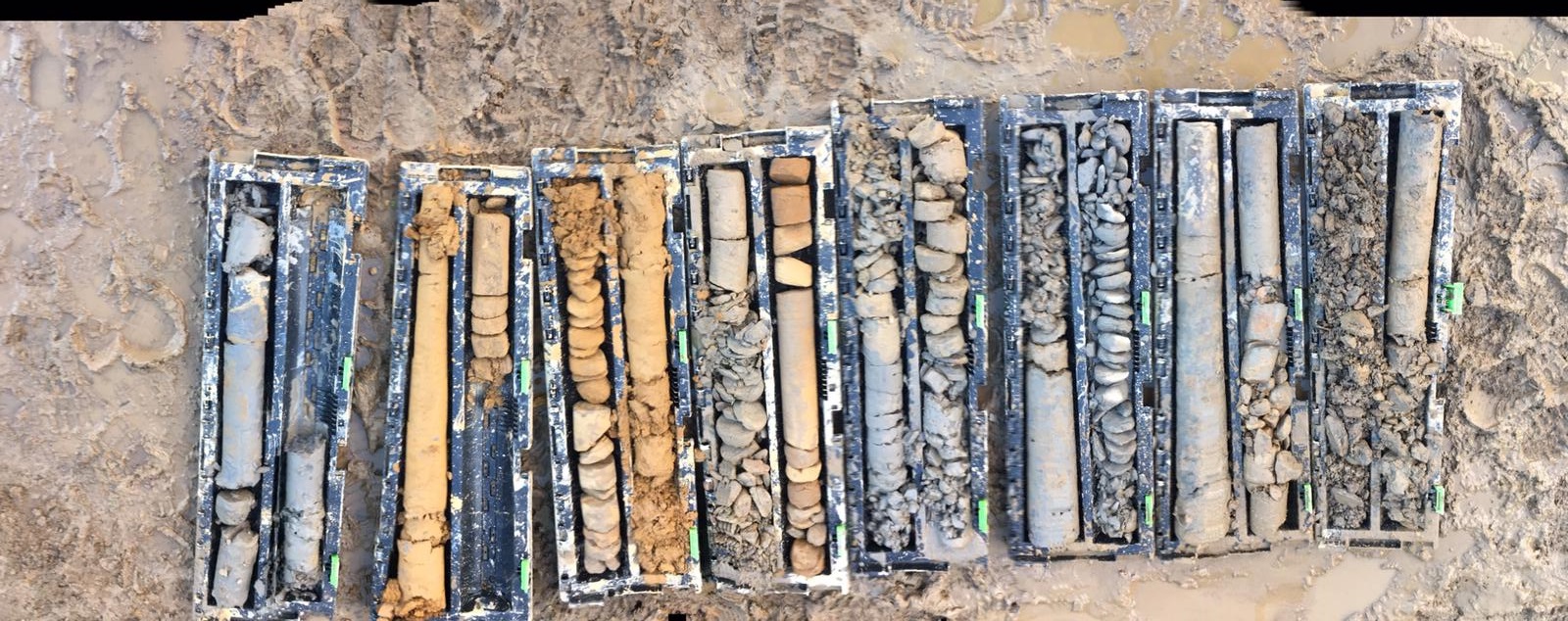
Did you know that 70% of disputes in business are tied to record-keeping? In the world of natural resource management, construction, and other industries that require drilling and excavation, accurate records can mean the difference between liability and protection. Proper logging of borehole and well information not only aids in operational efficiency but also serves as a vital defense in legal matters. In this comprehensive guide, we will delve into how timestamps, GPS coordinates, and photo attachments related to logs protect firms during legal disputes, ensuring they can substantiate their actions and decisions effectively. We will explore the mechanisms, benefits, and best practices for maintaining robust logs to mitigate risk.
Understanding Logs and Their Importance
To grasp how logs protect firms during legal disputes, we must first understand what logs are and their critical role in various industries. Logs serve as a comprehensive record of all activities and operations conducted on-site. They include data such as borehole depths, soil types, and water levels, as well as timestamps and GPS coordinates. But just as importantly, logs can also include photographs and other attachments that provide visual evidence of conditions and operations. Together, these records form a historical account that can be referred to in the event of disputes.
The Legal Ramifications of Inadequate Logging
Failure to maintain proper logs can have serious consequences. A lack of documentation can lead to misunderstandings and disputes regarding timelines, locations, and activities conducted at a job site. In extreme cases, the absence of accurate records may result in legal action against a firm for negligence or failure to comply with regulations. In such a scenario, having a well-maintained log can serve as a firm’s best protection.
Timestamps: Keeping Track of Time
One of the fundamental components of logging is the timestamp. Timestamps add credibility and accountability by recording the exact time an event occurred or data was collected. This information can be crucial during disputes over operations, especially if there’s a question of compliance with safety regulations.
Why are Timestamps Essential?
- Establishing a Timeline: Timestamps provide a sequential account of activities, enabling firms to establish when particular procedures were performed. This can be vital in legal cases where timing is disputed.
- Compliance Verification: In regulated industries, timestamps can supply evidence that operations were performed in accordance with legal and safety standards.
- Mitigating Liability: Should issues arise, an accurate timeline can help disprove claims against a firm and protect against liability.
GPS Coordinates: Mapping Operations
Alongside timestamps, GPS coordinates add another layer of protection. Recording the geographical locations where activities occur is crucial for several reasons:
How GPS Coordinates Protect Firms
- Exact Location Verification: GPS coordinates provide definitive proof of where boring or drilling activities took place, countering claims of trespass or damage.
- Historical Context: With GPS data, firms can track the progression of projects and substantiate their operations against claims from stakeholders or regulatory bodies.
- Legal Defense: In cases of litigation, geographical evidences can help prove compliance with land use agreements or environmental regulations.
The Power of Photos: Visual Evidence
While timestamps and GPS coordinates are critical, visual documentation through photographs can provide irrefutable evidence of site conditions and operations. Photos can capture moments that data alone cannot convey. Consider the following scenarios:
- Monitoring Construction Progress: Visual records can show the condition of a site at various stages, helping to dispel claims that a project was not completed as represented.
- Evidence of Compliance: Photos can serve as proof of adherence to safety measures or operational protocols.
- Demonstrating Site Conditions: Detailed images can highlight changes to a site over time, which may be relevant in disputes concerning property conditions or environmental damage.
Best Practices for Logging: Combining Forces for Defense
To enhance the effectiveness of logs in protecting firms during legal disputes, it’s essential to adopt best practices in logging and documentation:
- Consistency: Regularly update logs with timestamps, GPS data, and photos. Stability in record-keeping fosters reliability.
- Quality Control: Ensure that all entries are accurate and comprehensive. Errors or omissions can be harmful during disputes.
- Digital Solutions: Utilize software designed for logging purposes. Products like WinLoG make it easier to integrate timestamps, GPS coordinates, and photos into one cohesive system.
- Legal Awareness: Stay informed about legal requirements for documentation within your industry. Regular training can help staff uphold logging standards.
- Backup Copies: Regularly back up logs to prevent data loss and ensure long-term retention of vital information.
Addressing Common Reader Questions
Q: How do I implement these practices in my current operations?
Start with an assessment of your current logging practices. Identify areas for improvement such as consistency in data entry, clarity in documentation, and storage solutions. Then, develop a plan to transition to improved practices gradually.
Q: Are there industries where logging is more critical than others?
Yes, industries like construction, natural resource management, and environmental services often face regulations that highlight the importance of accurate logging. However, logging is beneficial across many domains where operations and compliance are critical.
Q: What are the risks of not documenting properly?
Poor documentation can lead to misunderstandings, disputes, liability for negligence, and even legal actions. Adequate logging serves as a protective measure against these risks.
Conclusion: What’s Next on Your Logging Journey?
Therefore, integrating timestamps, GPS coordinates, and photographic evidence into your logging process is not just a beneficial practice; it is essential for protecting your firm during legal disputes. By adopting strong logging practices, your firm can assert its credibility, comply with regulations, and mitigate risks effectively. Ready to elevate your logging capabilities?
The key to operating successfully and with minimal legal disruption lies in your logs, so embrace these practices and safeguard your future!