

Did you know that construction project overruns can drain budgets by up to 30%? With rising material costs and complex project requirements, maximizing return on investment (ROI) is crucial for the success of any infrastructure project. In this post, we’ll explore how utilizing digital cross-section and fence diagram software can significantly enhance project efficiency, reduce site investigation costs, and ultimately lead to a higher ROI. Get ready to gain valuable insights into transforming your projects with advanced digital solutions!
Understanding Project Costs and ROI
When embarking on construction or infrastructure projects, understanding costs is fundamental. Project costs can be categorized into direct and indirect costs. Direct costs include labor, materials, and equipment, while indirect costs encompass overheads such as permits, insurance, and site investigations.
Defining ROI
Return on investment (ROI) is a metric that evaluates the efficiency of an investment. In construction, it’s used to measure the profitability concerning the project’s total costs. The formula for calculating ROI is:
ROI = (Net Profit / Total Investment) x 100
A project with a higher ROI indicates better financial returns, making it essential to manage costs effectively. One of the most significant ways to achieve this is by optimizing site investigations—the initial phase that sets the stage for all subsequent project activities.
The Importance of Site Investigations
Site investigations are critical in understanding ground conditions, identifying potential hazards, and collecting data necessary for project design. However, traditional site investigation methods can be costly and time-consuming. In fact, estimates suggest that project owners can spend up to 20% of their total project budget on site investigations.
Why Digital Tools Make a Difference
Digital cross-section and fence diagram software provides a solution to the high costs associated with site investigations. By offering advanced visualization, these tools allow project managers to evaluate the site conditions accurately without extensive physical site works.
How Digital Cross-Sections Work
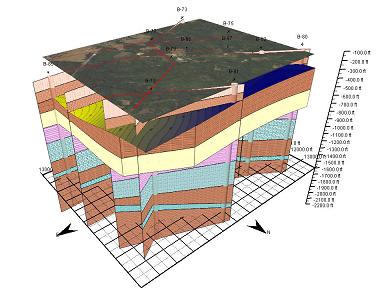
Digital cross-sectioning involves creating detailed visual representations of subsurface conditions. Using data points collected from various sources (e.g., soil samples, boreholes, etc.), this software generates comprehensive cross-sectional views that facilitate better decision-making. Here’s how integrating this technology can transform your project:
Enhancing Visualization and Data Interpretation
Digital cross sections provide a graphical depiction of underground layers, allowing engineers and architects to understand the geological environment better.
This enhanced visualization helps teams:
- Make informed decisions regarding material selection.
- Identify potential issues earlier in the process.
- Reduce the risk of unexpected conditions during construction.
Streamlining Communication
One of the significant advantages of using digital cross-section software is improved communication among project stakeholders. Different teams—architects, civil engineers, and contractors—can access the same visual data set, minimizing misunderstandings and ensuring everyone is on the same page.
Cutting Costs with Digital Techniques
Implementing digital cross-section technology leads to substantial cost savings in several ways:
- Reduced Field-Time: Minimizing site visits limits labor costs and reduces time spent on-site, streamlining project timelines.
- Targeted Investigations: Instead of conducting broad investigations, project teams can target specific areas based on data provided by the software, thus avoiding unnecessary expenditures.
- Minimized Errors: Increased accuracy in data interpretation leads to fewer mistakes during construction, reducing rework and associated costs.
The 30% Cost Reduction
Through case studies and practical applications, it has been observed that projects employing digital cross-section tools reduce site investigation costs by 30%. This reduction is primarily due to optimized resource allocation and enhanced data utilization.
Project Case Study: The Impact of Digital Cross-Sections
Consider a recent infrastructure project that involved constructing a bridge over a river. Traditionally, extensive site investigations would incur high costs and extend timelines. By integrating digital cross-section software into their planning:
- The project’s investigation phase was completed 50% faster than projects using traditional techniques.
- Costs were reduced by nearly 30%, allowing the project managers to allocate resources to other critical areas—such as design innovations.
This case study serves as an inspiration for other projects looking to enhance ROI through modern technology.
A Step-by-Step Guide for Implementing Digital Cross Sections
To maximize ROI through digital cross-sectioning, follow these steps:
- Assess Your Needs: Determine the specific requirements of your project. What types of data will you need, and at what scale?
- Choose the Right Software: Select digital cross-section software suited to your needs. Look for features like integrated data management, powerful visualization tools, and strong analytical capabilities.
- Train Your Team: Ensure that your team is adequately trained to utilize the software effectively. A knowledgeable team can leverage the tool to its full potential.
- Implement In Phases: Consider a phased implementation to analyze how the software fits into your project workflow. This careful approach allows for adjustments in real-time.
- Monitor and Adjust: Continuously assess the impact of using digital cross-section software on your project costs and timelines. Make any necessary adjustments based on data and feedback.
Conclusion: The Path Forward to Maximizing ROI
Embracing digital cross-section technology equips project managers with the tools needed to enhance their project outcomes significantly. In a landscape with ever-increasing project demands and competition, optimizing site investigation costs is a critical step to achieving a higher ROI. As you embark on your next project, consider the benefits of digital solutions in transforming your approach to construction and infrastructure.
By harnessing the power of digital cross-section and fence diagram software, you can minimize costs, avoid unnecessary delays, and ultimately lead your project to success.
Remember, the key to great project management lies in making informed, data-driven decisions—so start taking action today!