

Did you know that advancements in geotechnical engineering could reshape the way we build and interact with our environment by 2026? As the industry rapidly evolves, staying informed about the latest trends and technologies is crucial for professionals and enthusiasts alike. This blog post will explore the anticipated developments in geotechnical engineering, highlighting innovations, challenges, and strategies to stay ahead in this dynamic field. Get ready to dive deep into what 2026 has in store for us!
Understanding the Current Landscape of Geotechnical Engineering
Geotechnical engineering, a crucial sub-discipline of civil engineering, focuses on how earth materials interact with structures. As we approach 2026, understanding past and current trends is essential, as they lay the groundwork for future innovations. Engineers work on everything from foundations and retaining walls to tunnels and pavements, making their role pivotal in infrastructure development.
Over the last few years, technological advancements have dramatically shifted the geotechnical engineering landscape. The rise of sophisticated software tools, coupled with the need for sustainability, necessitates that engineers adapt to meet the increasing demands of modern construction and ecology.
Key Anticipations for 2026
As we look towards 2026, here are some potential developments that may shape the geotechnical engineering sector:
1. Enhanced Data Analytics and AI Integration
Data analytics is becoming more prevalent in geotechnical engineering. By 2026, we expect the integration of AI-driven software in geotechnical analysis to be commonplace. These tools will allow engineers to use predictive analytics to assess soil behavior and site conditions with unprecedented accuracy. Through machine learning algorithms, engineers can identify patterns and anomalies in data collected from sensors and previous projects, streamlining the decision-making process and enhancing safety.
2. Sustainable Infrastructure Development
As environmental concerns continue to rise, the push for sustainability will only grow stronger. By 2026, we can anticipate a strategic shift towards practices that prioritize sustainability. This includes the use of recycled materials in construction and improved practices for managing stormwater and soil erosion. Geotechnical engineers will play a crucial role in pioneering green construction methods that minimize ecological impact.
3. Smart Monitoring Systems
In the coming years, we can expect a surge in smart monitoring technologies. These innovations involve leveraging IoT devices, drones, and real-time data analytics to monitor ground conditions and structural integrity. By 2026, geotechnical engineers will likely employ these systems to track changes in soil properties, helping them predict potential issues before they escalate. Real-time monitoring provides valuable insight into the safety and durability of structures, ultimately leading to safer projects.
4. Collaborative International Projects
As infrastructure challenges become more complex and global, collaboration will grow increasingly vital. By 2026, geotechnical projects will likely involve international teams that leverage varied expertise for more innovative solutions. Engineers from different countries will collaborate on major infrastructure projects, sharing knowledge and techniques that address local challenges while adhering to global sustainability standards.
5. Advanced Material Sciences
In 2026, material science advancements may yield new types of soil reinforcement materials that improve the stability and durability of foundations. Innovations such as bio-engineered soil solutions or lightweight construction materials could drastically alter how we approach site preparation and foundation design. Such developments hold the potential to mitigate risks associated with soil liquefaction, land subsidence, and other geotechnical challenges.
Emerging Technologies Expected in 2026
In anticipation of upcoming advancements, several technologies are expected to gain traction in the industry:
6. Automated Drill Systems
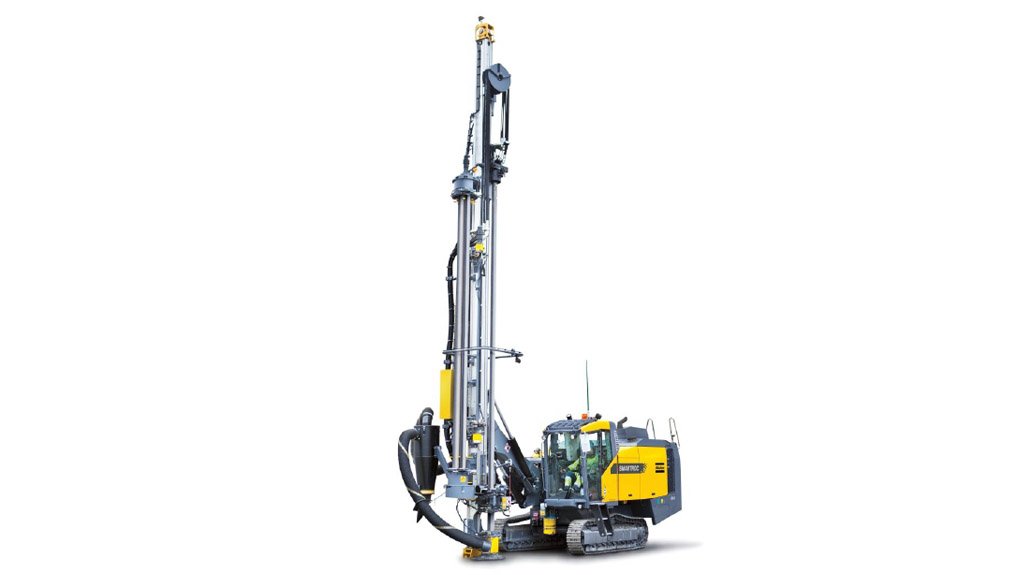
Automated drilling systems could redefine soil sampling and testing methodologies. By 2026, the adoption of automated machines capable of drilling and sampling soil will enhance the efficiency and accuracy of geotechnical investigations. These systems can reduce man-hours and increase safety during the assessment phase by utilizing remote solutions.
7. Geosynthetics in Construction
The use of geosynthetics—synthetic products used to improve soil performance and reduce erosion—will likely become even more common by 2026. Research into new types of geosynthetics may enable engineers to develop stronger, lighter, and more durable materials that can enhance stabilizations and contribute to sustainable construction even further.
Challenges Facing Geotechnical Engineers in 2026
While optimism is prevalent about future developments, challenges will still influence the discipline:
8. Climate Change Factors
Geotechnical engineers will face intense pressure to consider climate change implications. Infrastructure projects must be resilient to extreme weather events, requiring innovative approaches to soil analysis and design. By 2026, engineers should focus on designing structures that can withstand flooding, severe droughts, and seismic activity.
9. Data Security and Privacy
As data collection becomes more extensive, ensuring the security and privacy of sensitive information will be paramount. Engineers must be aware of data protection regulations and invest in robust cyber-security measures to safeguard their systems and the information they handle. By 2026, embracing high cybersecurity standards will become a vital element in project management.
Preparing for Future Changes
As we venture into 2026, geotechnical engineers must remain adaptable and proactive in responding to changes in technology, environmental standards, and collaborative practices. Here are steps to successfully navigate these changes:
10. Education and Training
Continuous education will be crucial for geotechnical professionals. Committing time to workshops, training sessions, and conferences focused on emerging technologies ensures that engineers stay informed about the latest advancements in geotechnical engineering.
11. Networking Opportunities
Building relationships within the industry will provide valuable insights into broader trends and innovations. Engineers should seek networking opportunities through professional organizations, conferences, and webinars to foster collaboration and knowledge sharing.
12. Adaptation to New Technologies
Ultimately, embracing new technologies will define the success of engineers in the upcoming years. Investing in training, tools, and software can help teams deliver high-quality results consistently while staying competitive in a rapidly evolving landscape.
What Lies Ahead for Geotechnical Engineering?
The future of geotechnical engineering is filled with opportunities and challenges. By 2026, we can expect significant progress as technology continues to integrate deeper into the industry. Staying informed about emerging trends and innovations can empower professionals to develop effective solutions that meet contemporary demands for safety, sustainability, and efficiency.
Discover how advanced geoscientific analysis software can enhance your projects and streamline your geotechnical work. Visit [Your Link Here] for more information!
Final Thoughts
The journey ahead is exciting. By focusing on education, collaboration, and technology adaptation, geotechnical engineers can navigate challenges while embracing new opportunities. The impact of their work extends beyond individual projects, influencing the reliability of our entire infrastructure for years to come.