
Did you know that the efficiency of your exploration efforts can hinge on the format of your well logs? In today’s data-driven world, choosing the right digital well log output format can significantly impact your analysis and decision-making process. Understanding the differences between LAS, LIS, and DLIS formats is not just important; it’s essential for geoscientists looking to extract maximum value from their data. In this comprehensive guide, we’ll dive deep into the details of these digital well log formats, compare their unique features, and help you identify which format best suits your needs. By the end of this article, you will be equipped with the knowledge to make informed decisions regarding well log digitization and data management.
Understanding Well Logs
Well logs are crucial in the oil and gas industry as they provide a continuous record of geological information from various depths of a wellbore. Traditionally, well logging involved physical tapes or paper logs, but digital formats have transformed how geologists and engineers analyze subsurface data.
What are LAS, LIS, and DLIS?
Before diving into the differences between LAS, LIS, and DLIS formats, let’s look at what each format represents:
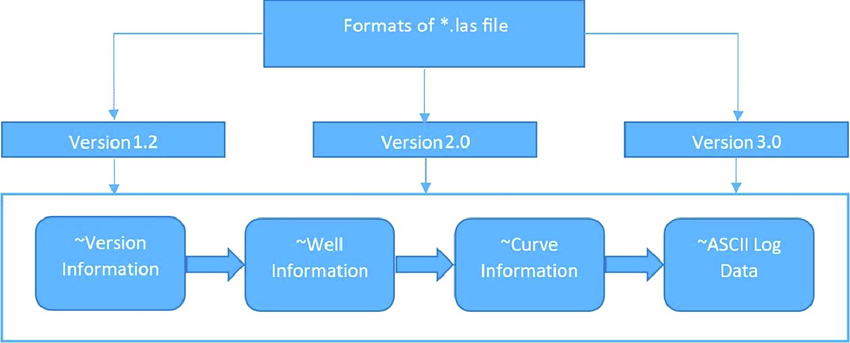
- LAS (Log ASCII Standard): This is a widely-used format developed by the PetroTechnical Open Standards Committee (POSC). LAS files are simple ASCII text files that allow for easy storage and transfer of well log data.
- LIS (Log Information Standard): The LIS format is designed to capture detailed well log information beyond what LAS can hold. It is a binary file format that allows more complex data types and is beneficial for high-resolution data files.
- DLIS (Digital Log Information Standard): The DLIS format takes robustness to the next level. Developed for high-performance computing, DLIS files can contain a wealth of logging data, making them ideal for extensive datasets.
Key Differences Between LAS, LIS, and DLIS
As you consider which format to use for your well log data, it’s important to know the unique advantages and disadvantages of each:
1. Structure and Complexity
- LAS: Plain text and easy to read, but limited by character count and data types.
- LIS: More complex than LAS, allowing users to store additional information like well completion data or formation tops.
- DLIS: Complex binary format, capable of storing extensive data sets. Ideal for clients needing high-density data.
2. File Size and Data Volume
- LAS: Piloted for smaller datasets.
- LIS: Can accommodate larger datasets, making it suited for advanced analysis where more data points are considered.
- DLIS: Best for massive data volumes, suitable for comprehensive studies or projects with significant logging data.
3. Compatibility and Usability
- LAS: Most software platforms widely support LAS due to its simplicity. Geoscientists can easily export and import LAS files.
- LIS: While it comes with advantages, it may not be universally supported by all logging software.
- DLIS: Offers robust performance but may require specialized software that can handle the complexities of the binary format.
When To Use Each Format
- When to Use LAS: If your project has budget constraints or involves smaller volumes of data, LAS may be the best option. It is easy to share with colleagues and can easily be manipulated in most database formats.
- When to Use LIS: Opt for LIS if you need to manage large datasets with accompanying details about formations, fluid types, or similar information.
- When to Use DLIS: Choose DLIS for comprehensive reservoir modeling or when working with a large volume of varied log data that requires rapid processing and analysis.
Best Practices for Well Log Digitization
Getting the best results from your well log data involves more than just selecting the right format.
- Standardization: Maintain uniformity in your data capture, processing, and storage methods to promote consistency.
- Data Quality Checks: Implement regular checks to ensure the integrity of your data. This prevents issues during analysis.
- Documentation: Keep detailed records of your well log processes, from acquisition to digitization. This makes it easier for future users to understand the datasets.
Emerging Technologies in Well Log Digitization
As technology continues to evolve, the methods of digitizing and utilizing well logs are also changing. Emerging technologies such as artificial intelligence and machine learning are being integrated into data management systems, fueling advancements in:
- Image Recognition: AI algorithms can automate the analysis of log images, improving speed and accuracy.
- Data Analytics Platforms: Cloud-based solutions enhance how geoscientists access and manipulate large sets of well log data.
Future Outlook
The future of well log digitization is interconnected with ongoing advancements in tech. As a geoscientist, embracing these new methods and formats can significantly enhance productivity and ensure you stay at the forefront of industry practices.
Summary: What You Should Take Away
Understanding the differences between LAS, LIS, and DLIS formats can critically influence your project’s trajectory. Evaluate your needs carefully and select the best-suited file type for your operations. Incorporating advanced technologies and adhering to best practices can streamline your processes and lead to better results.
Expanding your knowledge of these formats will help you navigate the complexities of well log management effectively. The exploration of oil and gas is an ever-evolving frontier, and knowing what tools to utilize can make all the difference as you venture into it.