

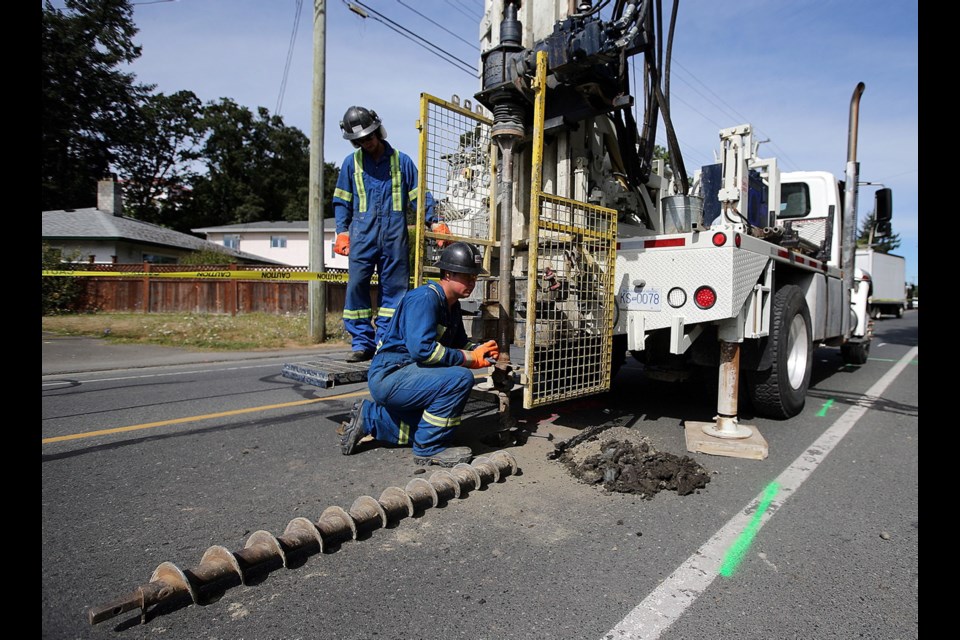
Selecting the appropriate drilling rig and managing the contracting process are two of the most critical decisions in planning a successful environmental or geotechnical investigation. The choice of equipment directly impacts safety, efficiency, data quality, and project cost, while the contract ensures compliance and liability management. In this comprehensive guide, we’ll explore the ins and outs of selecting the right drilling rig, navigating the contracting process, and vital considerations to ensure your project’s success.
Understanding the Importance of Drilling Rig Selection
Selecting the appropriate drilling rig is pivotal for any environmental investigation. The right rig not only affects the logistical aspects of the drilling process but also influences the quality of the data collected. Factors like the project’s geological conditions, site accessibility, and drilling depth must be evaluated to make an informed decision.
For instance, certain rigs are not well-suited for rocky or unstable terrain. Likewise, if your project requires deep boreholes, specific types of rigs are designed to handle the high pressures and challenges associated with deep drilling. Thus, a thorough assessment of the site conditions aids in identifying the correct equipment prior to commencing field activities.
Types of Drilling Rigs and Their Applications
There are several types of drilling rigs available, each designed to serve specific purposes. Here’s a breakdown:
- Rotary Drilling Rigs: These are commonly used for geotechnical projects. They provide the versatility needed for drilling through various soil types and are essential in exploratory drilling.
- Auger Rigs: Ideal for on-going monitoring and sampling in shallow depths, auger rigs offer a method that minimizes soil disturbance, making them a good choice for environmental investigations.
- Wireline Rigs: These rigs allow for controlling the retrieval of cores during drilling without the need to pull the entire drilling assembly out of the borehole. This technique is highly efficient and reduces downtime.
Understanding the distinct features and limitations of these rigs is fundamental in selecting the right one for your project.
Key Considerations for Drilling Rig Selection
When selecting a drilling rig, ensure to evaluate the following:
- Site Accessibility: Can the rig navigate the intended site? Is the terrain flat or sloped?
- Soil Conditions: What is the soil composition? Different rigs handle soil types differently.
- Project Budget: Does the equipment fit within your financial constraints? High-performance rigs can save money in the long run by reducing operational downtime.
- Data Quality Needs: Will the rig provide the necessary data quality required for your investigation?
- Regulatory Compliance: Does the selected rig comply with local regulations concerning environmental safety?
The Contracting Process for Drilling Projects
After selecting the ideal rig, managing the contracting process will significantly affect the project’s success. A well-structured contract serves to protect both parties involved, outlining expectations and responsibilities, and ensuring compliance with regulatory requirements. Here are key elements to consider when navigating this process:
Integral Contract Components:
- Scope of Work: Clearly define the tasks required of the contractor.
- Timeline: Specify start and end dates with achievable milestones.
- Budget and Payment Terms: Outline project costs and payment schedules.
- Compliance and Safety Protocols: Ensure that all safety regulations are adequately met.
- Liability and Insurance: Define liability in case of accidents or damages during drilling activities.
- Termination Clauses: Outline how either party can terminate the contract under specific circumstances.
Ensuring that all parties are on the same page helps mitigate misunderstandings which could lead to costly changes later on.
Best Practices for Managing Drilling Contracts
To effectively manage your drilling contract, consider the following best practices:
- Regular Communication: Maintain regular contact with the contractor to ensure timely updates on project status.
- Monitoring Project Progress: Establish a method for tracking the progress against the agreed-upon schedule.
- Documentation: Maintain thorough documentation of all processes and correspondence throughout the project.
- Problem-Solving Approach: Be proactive about addressing any issues that may arise during drilling, rather than reacting after issues escalate.
- Post-Project Review: After project completion, evaluate the contractor’s performance, effectiveness of the equipment used, and data quality achieved.
This post-project review assesses not only the success of the current project but also provides crucial insights for future drilling contracts.
The Role of Technology in Drilling Operations
Technology continuously evolves, and its application in drilling operations has made the process more efficient and precise. Nearly all aspects of drilling, from rig management to data collection and project reporting, can now benefit from technological advancements.
Emerging Technologies in Drilling
- Automated Drilling Systems: These systems optimize drilling performance by adjusting parameters in real-time for efficiency.
- Geophysical Survey Tools: Tools such as Ground Penetrating Radar (GPR) can enhance pre-drilling surveys, thus informing better rig choices.
- Data Analytics: Leveraging data analytics software can improve decision-making by providing insights into operational efficiencies and geological risks.
Benefits of Integrating Technology
Incorporating technology into your drilling operations not only maximizes efficiency but also reduces costs associated with delays and accidents. Furthermore, technology can enhance the quality of the data yielded, leading to more informed decisions in subsequent project phases.
Conclusion: What’s Next?
Selecting the right drilling rig and managing the contracting process thoughtfully is essential to achieving success in any environmental or geotechnical investigation. With proper diligence and understanding of the drilling landscape, you can navigate the complexities involved in these decisions.
To recap, understanding site conditions is vital for rig selection. Furthermore, a comprehensive contract effectively outlines the expectations, deadlines, and deliverable quality. Keeping pace with technological advancements will also give you an edge to enhance both efficiency and data reliability.
Related Articles
- The Complete Guide to Drilling and Sampling for Environmental and Geotechnical Investigations
- Crafting an Effective Health & Safety Plan (HASP)
- Crafting an Effective Emergency Response Plan for Environmental and Geotechnical Drilling
- Essential Job-Site Safety Checklist for Geotechnical and Environmental Drilling
- Essential Steps to Ensure Safe Drilling: Utility Clearances Before Boring Operations
- Hazards to Consider Before Drilling Boreholes in Urban Areas
- Creating A Comprehensive Environmental Sampling And Analysis Plan: Your Guide To Success
- Mastering Conceptual Site Models: A Step-by-Step Guide to Understanding Contaminants
- Mastering Contaminants of Concern: Identification and Delineation
- Sampling Frequency: The Key to Effective Environmental Investigations
- The Critical Role of QA and QC Plans in Environmental Investigations
- Strategic Considerations for Determining Drilling Locations in Environmental Investigations
- The Essential Guide to Selecting Containers and Preservatives for Environmental Soil and Groundwater Samples
- Guide to Collecting and Storing Soil and Groundwater Samples for Environmental Investigations
- Mastering Sample Planning in Geotechnical Investigations: A Comprehensive Guide
- Strategic Insights: Determining Ideal Locations for Geotechnical Investigation Drilling
- Mastering Field Procedures For Accurate Subsurface Investigations
- Mastering the Art of Calibrating a Torvane for Accurate Measurements
- Mastering Soil Testing: How to Calibrate a Pocket Penetrometer for Accurate Readings
- Standard Penetration Testing: A Comprehensive Guide
- The Comprehensive Guide to Calibrating a Photoionization Detector (PID)
- Classifying Soils During Drilling: Your Comprehensive Guide
- Designing a Monitoring Well for Environmental and Geotechnical Investigations
- Types of Protective Casings used for Monitoring Wells
- Choosing the Best Filter and Grout Materials for a Monitoring Well
- Choosing the Best Screen and Riser Pipe Materials for Monitoring Wells
- Standard Operating Procedures for Purging and Sampling Groundwater Monitoring Wells