

Did you know that improper field procedures can lead to inaccurate data and costly delays in subsurface investigations? In our ever-evolving world, the demand for reliable subsurface data is more crucial than ever, especially in sectors like construction, environmental consulting, and civil engineering. Understanding the best practices for conducting subsurface investigations ensures the integrity of your soil and rock samples, enhancing project efficiency and accuracy. In this comprehensive guide, we will explore rigorous field procedures designed for a successful subsurface investigation, including everything from site preparation to sampling techniques, and why they matter to your projects.
I. Importance of Rigorous Field Procedures in Subsurface Investigations
Field procedures for subsurface investigations are vital because they provide the data necessary to make informed decisions regarding design and construction projects. A successful investigation involves detailed planning and execution to ensure the accuracy and reliability of the data collected.
1. Understanding Subsurface Conditions
The primary goal of a subsurface investigation is to obtain a clear picture of the subsurface conditions. This information helps engineers evaluate the suitability of a site for proposed projects. For instance, retaining walls, foundations, and other critical structures are contingent upon understanding the soil’s bearing capacity and historic land uses.
Surveying varies by location, but considerations like soil consistency, soil classification, and identifying water tables are ubiquitous. Collecting representative samples and analyzing them accurately ensures relevant information on soil behavior under various loading conditions.
2. Preservation of Soil and Rock Samples
The integrity of soil and rock samples is paramount. Once disturbed, the properties of these samples can change significantly, which may lead to misleading conclusions about the subsurface conditions. Preservation techniques during transportation and handling, such as using airtight containers or core boxes, help maintain the sample’s natural condition until it’s analyzed in the laboratory.
II. Preparing for a Subsurface Investigation
Preparation sets the foundation for a successful subsurface investigation. The process begins with thorough planning and coordination among team members.
1. Site Assessment and Research
A preliminary site assessment involves collecting previous subsurface reports, maps, and other relevant documentation. This information helps identify potential hazards or challenges that could affect the investigation, such as underground utilities or previous excavation activities.
2. Development of a Subsurface Investigation Plan
With the site assessment in mind, engineers develop a comprehensive plan outlining the scope of the investigation. Key considerations include defining the type and number of boreholes, scheduled timelines, safety measures, and budgetary constraints. A detailed plan minimizes risks and delays and guides field crew activities efficiently.
III. Conducting Field Work
The investigation plan transitions into execution through systematic fieldwork processes. Here are various critical field procedures:
1. Drilling and Boring Methods
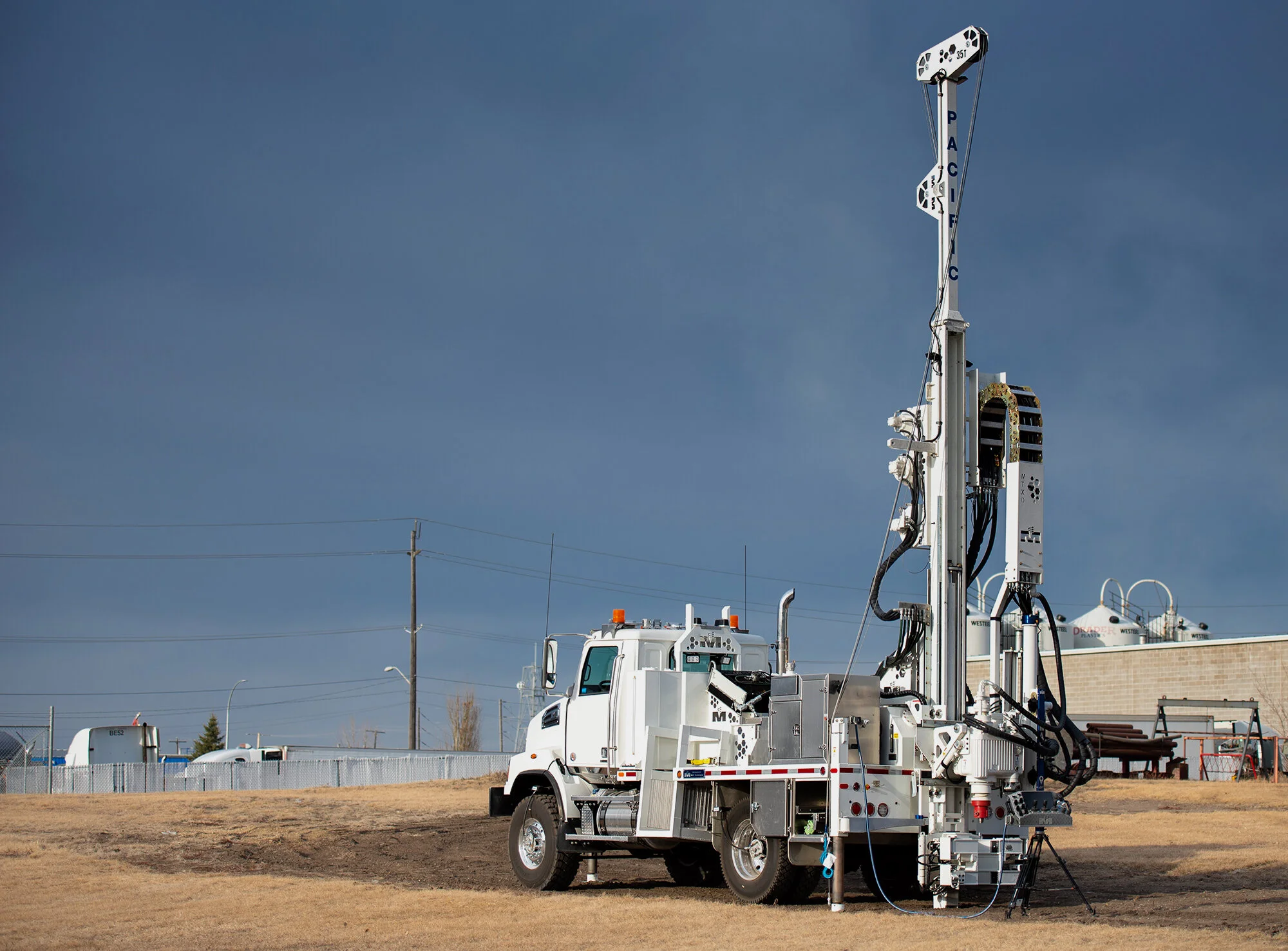
Drilling is the primary method for obtaining subsurface samples. Different drilling techniques can be employed based on the soil type and project requirements:
- Rotary Drilling: Commonly used for hard rock, this method utilizes a rotating drill bit to penetrate tough geological layers.
- Auger Drilling: Suitable for softer soils, augers use a helical screw to extract soil samples.
- Wash Boring: Suitable for loose sands and silts, water is pumped into the hole to maintain hole integrity and bring samples to the surface.
Selecting the appropriate method is crucial to obtaining quality samples while minimizing disturbance.
2. In-Situ Testing
In-situ tests are essential for evaluating the physical properties of soil without removing it from its natural state. Several common tests include:
- Standard Penetration Test (SPT): Measures resistance to penetration, providing data about the soil’s density.
- Cone Penetration Test (CPT): Offers continuous profiling of soil resistance and provides detailed stratification.
- Pressure Meter Tests: Assess the soil’s mechanical properties directly in the field.
3. Sample Collection
Proper sample collection techniques are necessary to accurately represent subsurface conditions. Soil samples should be taken in a manner that preserves their moisture content and structure. Field personnel must be trained in soil consistency classifications to ensure samples are labeled and stored correctly.
IV. Safety Considerations
Safety is paramount during any subsurface investigation. Field teams must adhere to safety protocols to mitigate risks associated with site exploration. Here are a few steps teams can utilize:
- Pre-site Safety Briefings: Discuss potential hazards and site-specific risks.
- Proper Protective Equipment: Ensure all team members wear appropriate PPE such as helmets, gloves, and boots.
- Site Inspections: Frequently conduct inspections to identify new hazards that may arise during the investigation.
V. Data Analysis and Reporting
Once fieldwork is complete, the next phase involves analyzing the collected data and presenting it in a comprehensive report to stakeholders:
1. Interpretation of Results
Engineers must interpret the data collected from samples and field tests. Understanding the relationship between soil properties provides insight regarding potential construction challenges, allowing for informed decision-making.
2. Reporting and Borehole Logs
A well-organized report includes a summary of methodology, findings, and borehole logs based on the investigation results. Borehole logs provide essential details about the depth, type of soil, and other pertinent characteristics from different sampling locations. The more thorough and clear these reports are, the better decisions will be made downstream.
VI. Continuous Improvement
Field procedures in subsurface investigations are not static; continuous learning from each project leads to improved practices:
1. Feedback Mechanisms
Feedback from field teams and clients can highlight areas for improvement. Periodic reviews can be organized to reflect on challenges faced and successes achieved.
2. Training and Development Programs
Regular training ensures that field crews remain knowledgeable about state-of-the-art techniques and technologies in subsurface investigations. Continuous professional development is vital for adapting to industry changes.
VII. Conclusion: Moving Forward with Confidence
Effective field procedures for subsurface investigations lay the groundwork for successful construction projects. By conducting thorough preparations, adhering to rigorous fieldwork methods, and prioritizing safety and data integrity, professionals can gather the vital information necessary to inform their engineering decisions. Understanding the importance of data quality can shape your project’s trajectory and prevent costly mistakes. If you want to learn more about how to optimize your field procedures and enhance your data collection processes,