

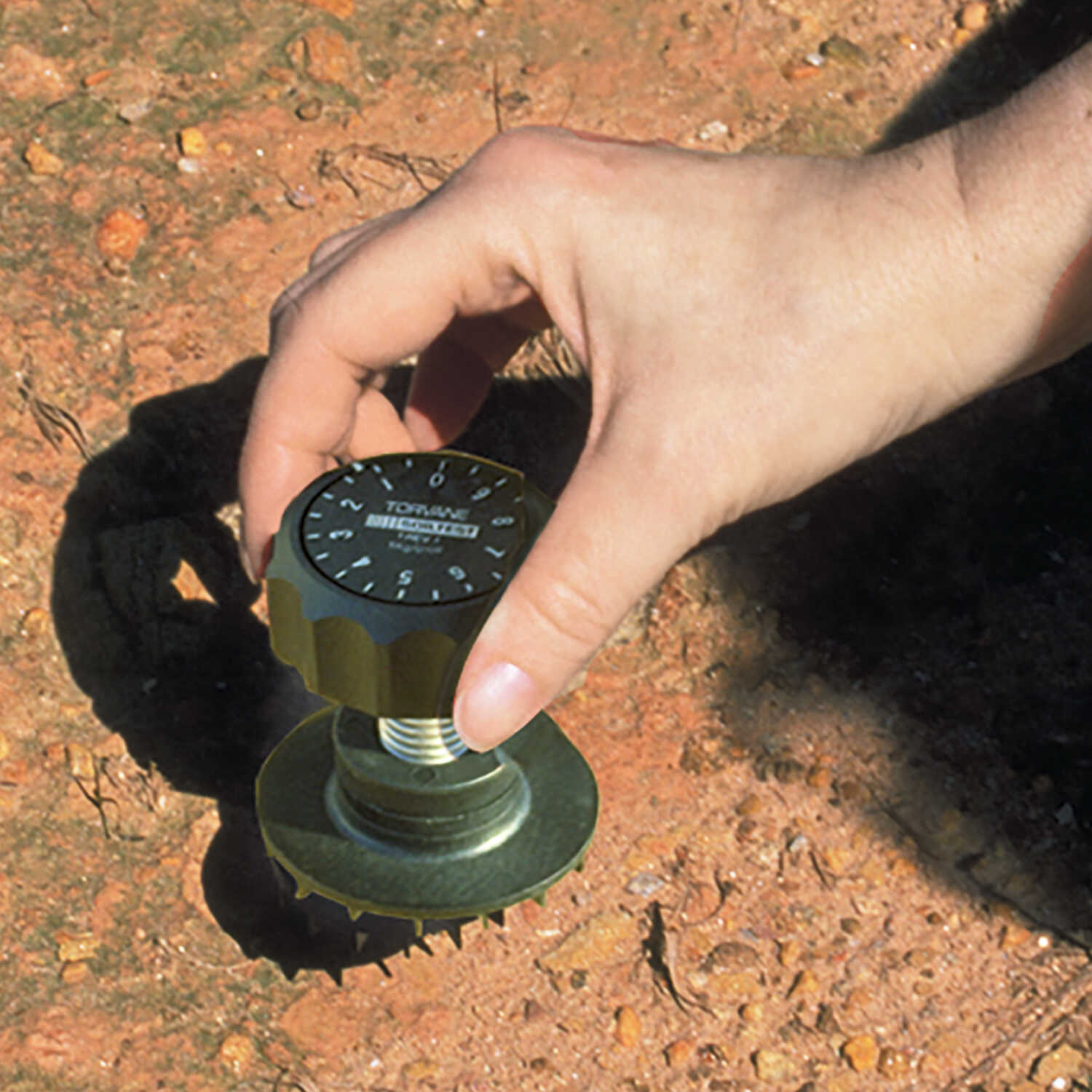
Calibrating your Torvane is vital for ensuring precision and reliability in field measurements. In this comprehensive guide, we will explore the importance of Torvane calibration, step-by-step procedures to achieve optimal accuracy, and celebrate the transformative results that proper calibration brings to your logging processes. Get ready to elevate your data collection strategy as we dive into mastering Torvane calibration!
Understanding the Torvane
The Torvane is a fundamental tool used in the oil and gas industry to measure the directional stability of drilling fluids. This device detects minute changes in fluid density and helps geologists and engineers gather critical data. However, its effectiveness greatly relies on proper calibration. An uncalibrated Torvane can produce skewed data, leading to disastrous decision-making. Therefore, understanding the mechanics of your Torvane and acquiring the skills to calibrate it correctly is essential for any professional in this field.
Why Calibrating a Torvane Matters
Calibration ensures that the device operates within its intended parameters, effectively comparing fluid samples against known standards. This process not only guarantees that your measurements are accurate but also allows you to refine your techniques and methodologies for improved results. Failure to calibrate correctly could lead not only to poor decision-making but also potential financial loss and inefficiencies in drilling operations. Keep your Torvane at peak performance to ensure the accuracy of your field logs, which directly affect your operational output.
Step-by-Step Guide to Calibrating a Torvane
To ensure the best practices, this section will break down the calibration process into manageable steps. Follow these guidelines to guarantee that your Torvane provides reliable readings:
- Gather Your Equipment
- Torvane
- Calibration fluid (refer to your manufacturer’s specifications)
- A clean workspace
- Personal protective equipment (safety goggles, gloves)
- Review Manufacturer Instructions
Before attempting to calibrate, thoroughly read the manual provided by the manufacturer. Familiarize yourself with the specific requirements for your equipment. - Preparation
- Clean the Torvane thoroughly to prevent cross-contamination of fluids. Use alcohol wipes to sanitize and remove any residue from previous samples.
- Ensure your workspace is stable and devoid of external influences (temperature fluctuations, dust).
- Select Calibration Fluid
Using the proper fluid is critical. This fluid should match the density of the sample fluids encountered in your work environment. If you’re unsure of your choice, consult your field manual or manufacturer. - Connect the Torvane
- Secure the Torvane with a firm grip. Make sure it’s connected properly and that there are no leaks around the connection.
- Ensure all settings on your device are reset to defaults as instructed in the manual.
- Begin Calibration
- Immerse the Torvane into the calibration fluid while ensuring complete submersion to eliminate air bubbles.
- Rotate the Torvane slowly and observe the readings displayed.
- Adjust Readings
- Based on your observations, adjust the settings on the Torvane until it provides a reading that aligns with the known density of the calibration fluid.
- Repeat this process of measurements and adjustments until the readings stabilize within the acceptable range.
- Document Results
- Record all findings in a calibration log, noting the date, parameters, and any adjustments made. Documentation is crucial for tracking performance over time.
- Test the Calibration
- Once calibrated, conduct a series of test measurements using standard samples. Compare these results to ensure that the Torvane functions within acceptable limits.
- Finalize and Clean Up
- Upon successful testing, clean the Torvane again, prepare it for the deployment, and securely store it in its designated location.
Maintaining Your Torvane
After calibration, maintaining your Torvane is key to ensuring that it remains in an optimal state for use at all times. Recent studies indicate that regular maintenance can enhance the lifespan of your equipment significantly. Here are a few tips for you:
- Regularly inspect your Torvane for damage. Any wear and tear can lead to errors in measurements.
- Keep the device clean. Daily cleaning after use can prevent the buildup of contaminants.
- Store the Torvane properly. Ensure that it is kept in dry conditions and away from direct sunlight.
- Perform periodic calibration checks. As a standard practice, plan to check the calibration monthly or before each major project.
Common Questions About Torvane Calibration
- How often should I calibrate my Torvane?
Calibration frequency may depend on usage. Daily or frequent fieldwork may demand weekly calibration, whereas more infrequent usage may only require monthly checks. - Can I calibrate my Torvane in the field?
While ideal conditions are often best in a controlled laboratory setting, field adjustments can be made as long as proper procedures are followed carefully. - What are the risks of not calibrating?
Inaccurate readings can lead to misguided directional practices resulting in inefficient drilling operations and mismanagement of drilling resources.
The Impact of Proper Calibration on Logging Operations
Effective calibration of your Torvane leads to several significant benefits that ultimately contribute to your success:
- Improved Accuracy: Ensures your data is precisely recorded, allowing for informed decisions during drilling operations.
- Cost Efficiency: Proper readings reduce the chances of errors that can incur additional costs in unnecessary operations.
- Enhanced Safety: Reliable equipment means safer operations, protecting crews and reducing the risk of accidents.
To sum up, keeping your logging tools like the Torvane in optimal working order can dramatically enhance your operational efficiency and safety measures. Proper calibration may seem tedious, but the benefits vastly outweigh the time commitment.
So now what? How can you ensure that your logging process runs smoothly? The answer lies in practicing the techniques discussed above regularly, and embracing the meticulous nature of calibration. Remember, each calibration nurtures your expertise in the field and propels you towards achieving unsurpassed precision in your well logging.