

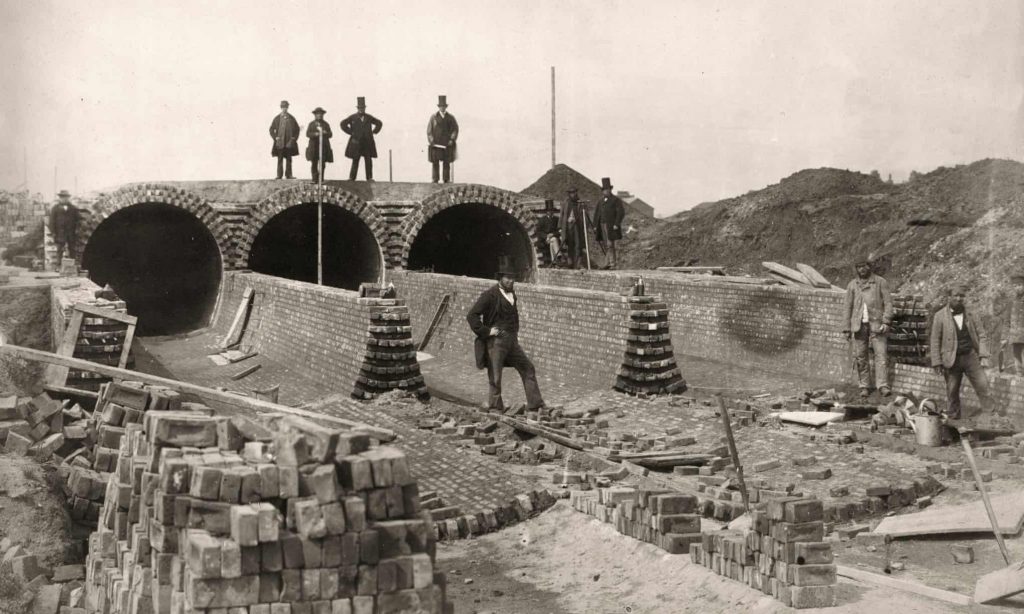
Did you know that environmental engineering has its roots stretching back several centuries into our past? As we face some of the most pressing ecological challenges today, understanding the origins of environmental engineering provides valuable insights. This blog post will unfold the incredible journey of environmental engineering, delving into its historical significance, evolution, and the foundational figures who paved the way for sustainable practices. Join us as we explore the rich history of this crucial discipline and what it means for our future.
The Genesis of Environmental Engineering
Environmental engineering, as we understand it today, is a relatively modern discipline, but its roots dive deep into ancient civilizations. Early forms of environmental management date back to ancient societies where humans first settled and faced challenges regarding water quality and waste management. Looking back, we can identify several key milestones that marked the evolution of environmental engineering.
Ancient Civilizations and Water Management
The story of environmental engineering begins in ancient Mesopotamia, where the Sumerians developed one of the earliest known systems of wastewater treatment. They constructed rudimentary sewage systems that channeled waste away from populated areas and into nearby rivers. Similarly, ancient Egyptians used settling pits to manage wastewater, thus improving public health significantly.
Moreover, the Romans are renowned for their advanced aqueduct systems and public baths, which played an essential role in urban sanitation. Their engineering ingenuity not only supplied fresh water but also maintained the public health of their cities, showcasing the importance of civil infrastructure in managing environmental issues.
The Renaissance and Scientific Advancements
Fast forward to the Renaissance period in Europe, the foundations of modern scientific inquiry were laid. Pioneers such as Francesco Redi and Anton van Leeuwenhoek made groundbreaking discoveries in microbiology. Their research deepened our understanding of disease transmission and the necessity for clean water, thus encouraging a more systematic approach to environmental health.
The establishment of urban public health departments in the 19th century marked another pivotal point in the development of environmental engineering. These departments aimed to address the rapid industrialization and urbanization challenges that led to significant pollution and health crises in burgeoning cities. Environmental sanitation was increasingly viewed as vital to the health and well-being of populations.
The Industrial Revolution: A Double-Edged Sword
The Industrial Revolution dramatically transformed societies, bringing about unprecedented economic growth. However, this era also ushered in severe environmental degradation. The booming industrial sectors in Britain and elsewhere caused extensive air, soil, and water pollution. It became apparent that unregulated industrial practices had dire consequences, sparking public outcry and calls for reform.
In response, early advocates emerged, demanding cleaner technologies and better regulatory frameworks for pollutants. Figures such as Edwin Chadwick in England played crucial roles in pushing for reforms that revolutionized urban sanitation, leading to cleaner cities and healthier populations. The need for targeted professionals to tackle increasing environmental issues laid the groundwork for modern environmental engineering.
The Birth of Environmental Engineering as a Discipline
The true embodiment of environmental engineering emerged in the mid-20th century amid growing awareness of global environmental crises. The publication of Rachel Carson’s “Silent Spring” in 1962 brought significant attention to environmental pollutants and initiated a modern environmental movement. This growing consciousness led to the establishment of environmental protection agencies worldwide, with many countries adopting legislation aimed at protecting water and air quality.
In the 1970s, as governments began to implement environmental regulations, the need for trained professionals to comply with these regulations became apparent. Universities established dedicated programs in environmental engineering, allowing students to pursue specialized education in water resource management, waste treatment, and pollution control.
Key Components of Environmental Engineering Today
Environmental engineering encompasses a broad range of activities aimed at protecting human health and the environment. Understanding its components allows us to appreciate its significance today:
- Water and Wastewater Treatment: Environmental engineers design treatment processes to ensure clean drinking water and effective wastewater disposal. This is critical in preventing the spread of waterborne diseases and protecting freshwater resources.
- Air Quality Management: Monitoring and controlling air pollutants is essential for public health. Engineers play a key role in assessing air quality, implementing pollution control technologies, and working towards sustainable transportation solutions.
- Sustainable Design: The notion of sustainable engineering incorporates environmentally friendly practices into design principles. This includes optimizing energy use, minimizing waste, and utilizing renewable resources.
- Hazardous Waste Management: Environmental engineers are trained to manage and remediate hazardous waste sites. They develop strategies for safe transport, treatment, and disposal of potentially dangerous materials.
- Environmental Impact Assessments (EIA): Engineers conduct EIAs to evaluate the potential environmental consequences of proposed projects, ensuring that adverse effects are identified, anticipated, and minimized.
The Future of Environmental Engineering
As we face unprecedented challenges presented by climate change, environmental degradation, and loss of biodiversity, the role of environmental engineering has never been more critical. New technologies and innovative techniques are evolving to address these challenges head-on. Engineers are developing smart systems utilizing sensors and IoT (Internet of Things) for real-time environmental monitoring, paving the way for more responsive and resilient infrastructure.
Moreover, pressing issues such as urbanization and population growth are demanding that environmental engineering evolve continuously. Engineers are now encouraged to adopt circular economy principles where waste is minimized, and resource recovery is prioritized. This progressive mindset will redefine our approach to engineering practices while contributing to a sustainable future.
Final Thoughts: Where Do We Go From Here?
Understanding the origins of environmental engineering enriches our appreciation for its significance. This field has evolved tremendously from simple water management practices to a complex discipline safeguarding our health and the planet. By acknowledging the history of environmental engineering, we foster a deeper respect for the profession and the pioneers who paved the way for our modern practices.
The responsibility now lies with us to build upon this rich legacy, champion sustainable practices, and push for innovations that protect our environment for future generations. So what changes can you make today? Consider sharing this blog with a friend interested in environmental issues. By educating ourselves and others, we can all play a role in creating a positive impact on our planet. For more insights on environmental sustainability and engineering advancements,
Learn more about our Solutions
Related Articles
- The Complete Guide to Environmental Data Management
- Streamlining Global Environmental Compliance: Free Regulation Viewer
- Streamlining Environmental Data: Key Features of GAEA Technologies EDMS
- Mastering Environmental Data: An Introduction to GAEA Technologies EDMS
- The 4-Step Auditable Workflow in EDMS
- Choosing the Best Environmental Data Management System: EDMS vs. EQuIS, ESdat, and DataSight
- Connecting the Dots: How EDI and Notifications Revolutionize EDMS Workflows
- The Cost Of Spreadsheets: Why Manual Environmental Data Management Is A Financial Risk In 2026
- Digital Solutions for Modern Environmental Engineering: The GAEA Technologies Advantage
- How Environmental Regulations Vary Across Countries and Their Impact on Global Business