


In the fast-paced world of civil engineering, managing laboratory and field data can be a logistical nightmare. A robust Geotechnical Data Management System (GDMS), like the one offered by Gaea Technologies, serves as a centralized hub to automate, calculate, and report on critical material properties.
Whether you are working on highway infrastructure or high-rise foundations, understanding which tests your GDMS can handle is key to project efficiency. Here is a breakdown of the primary testing categories supported by modern GDMS platforms.
1. Asphalt Testing
Asphalt performance is vital for road durability and safety. GDMS simplifies the complex calculations required by ASTM and AASHTO standards.
- Bitumen Content (ASTM D2172): Determining the percentage of binder in a mix.
- Marshall Stability (ASTM D6927): Measuring the resistance to plastic flow of cylindrical bituminous specimens.
- Viscosity Tests: Including Absolute Viscosity (ASTM D2171) and Kinematic Viscosity (ASTM D2170) to assess flow resistance.
- Nuclear Density (ASTM D2950): Rapid field testing for in-place density and moisture.
2. Concrete, Grout, and Mortar
Structural integrity depends on the compressive and tensile properties of concrete. GDMS helps track “concrete breaks” and schedules upcoming tests.
- Compressive Strength (ASTM C39): The industry standard for determining the load-bearing capacity of cylindrical concrete specimens.
- Flexural Strength (ASTM C78): Using a simple beam with third-point loading to evaluate structural concrete.
- Tensile Strength (ASTM C496): Measuring the splitting tensile strength of cylindrical specimens.
- Grout & Mortar Testing: Specialized modules for Grout Compressive Strength (ASTM C1019) and mortar consistency.
3. Rock Mechanics
For projects involving tunnels, slopes, or deep foundations, rock testing provides the necessary design parameters.
- Unconfined Compressive Strength (ASTM D7012): Determining the intact rock strength.
- Point Load Strength (ASTM D5731): An essential field and lab index test for rock strength.
- Triaxial Compressive Strength (ASTM D2664): Evaluating rock behavior under varying confining pressures.
- Water Content (ASTM D2216): Tracking moisture variations that can impact rock stability.
4. Soil and Aggregates
Soil is the most variable engineering material. GDMS provides extensive tools for classification and strength analysis.
- Sieve Analysis (ASTM D422): Determining particle size distribution.
- Atterberg Limits (ASTM D2487): Classifying fine-grained soils based on liquid and plastic limits.
- California Bearing Ratio (CBR) (ASTM D1883): A critical test for evaluating the strength of subgrade and base materials for pavements.
- Proctor Compaction (ASTM D698/D1557): Establishing the relationship between moisture content and dry density.
- Permeability: Conducting both Constant Head (ASTM D2434) and Falling Head (ASTM D5084) tests.
Example Test Results

Asphalt Nuclear Density 
Concrete Compressive Strength 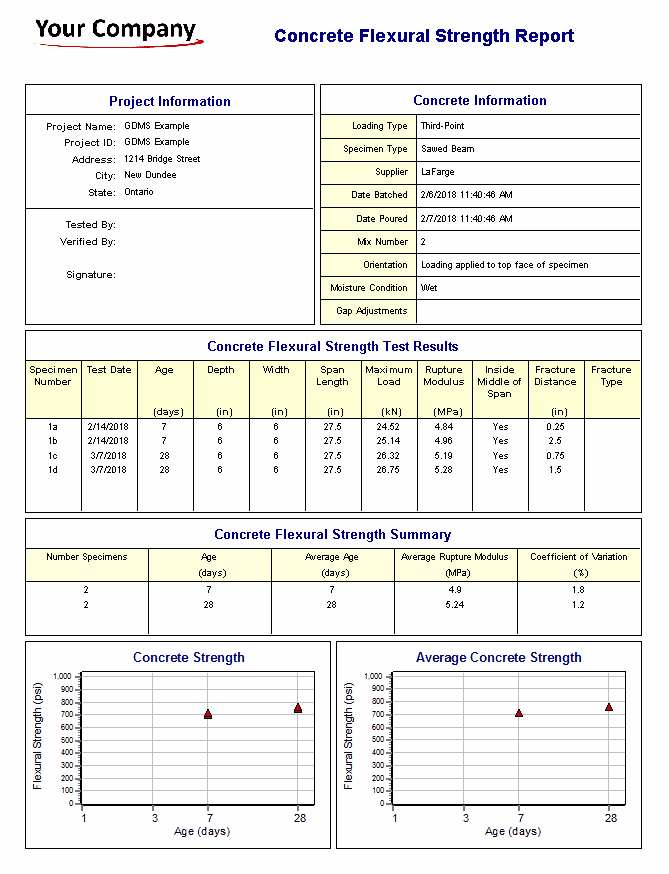
Concrete Flexural Strength 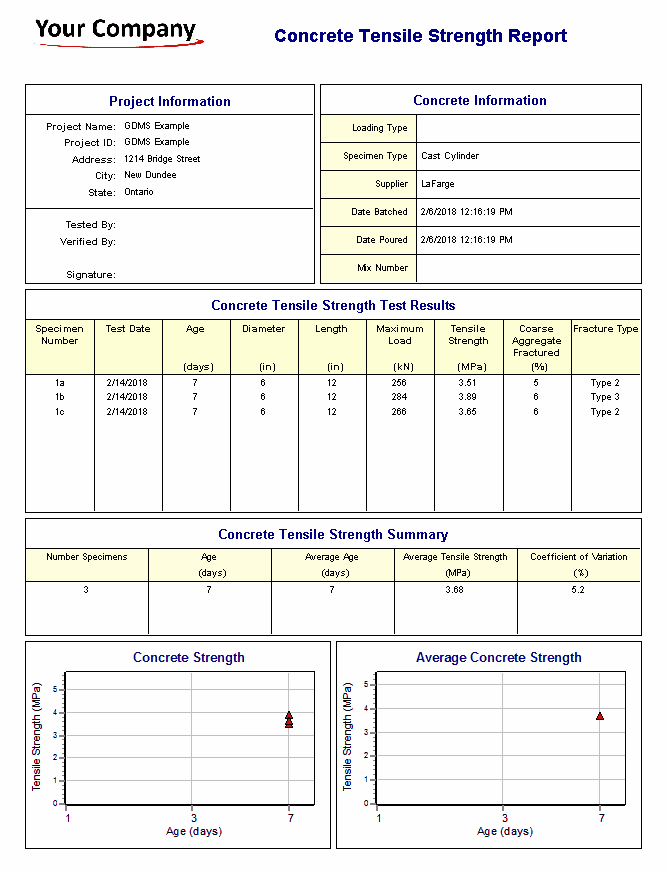
Concrete Tensile Strength 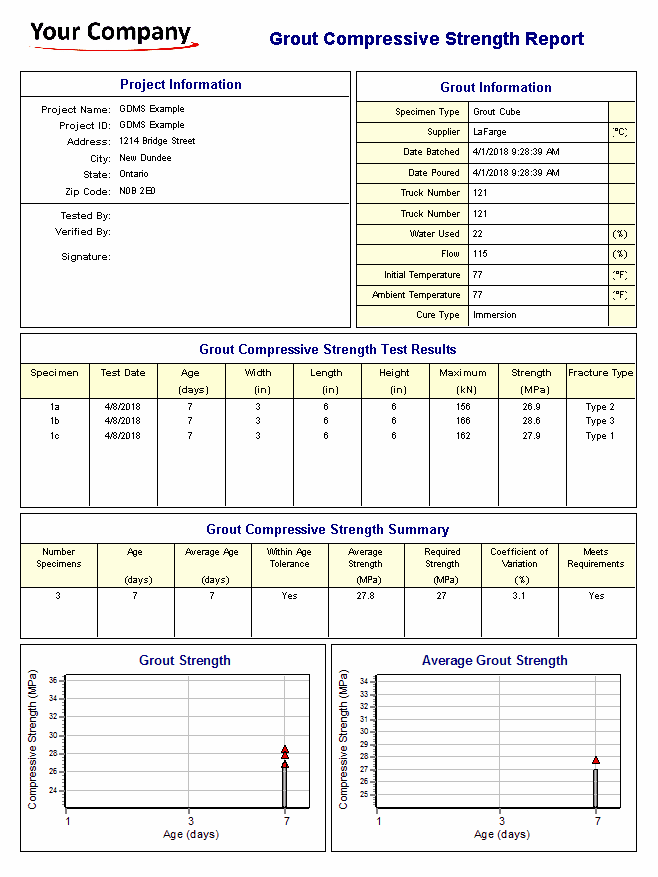
Grout Compressive Strength 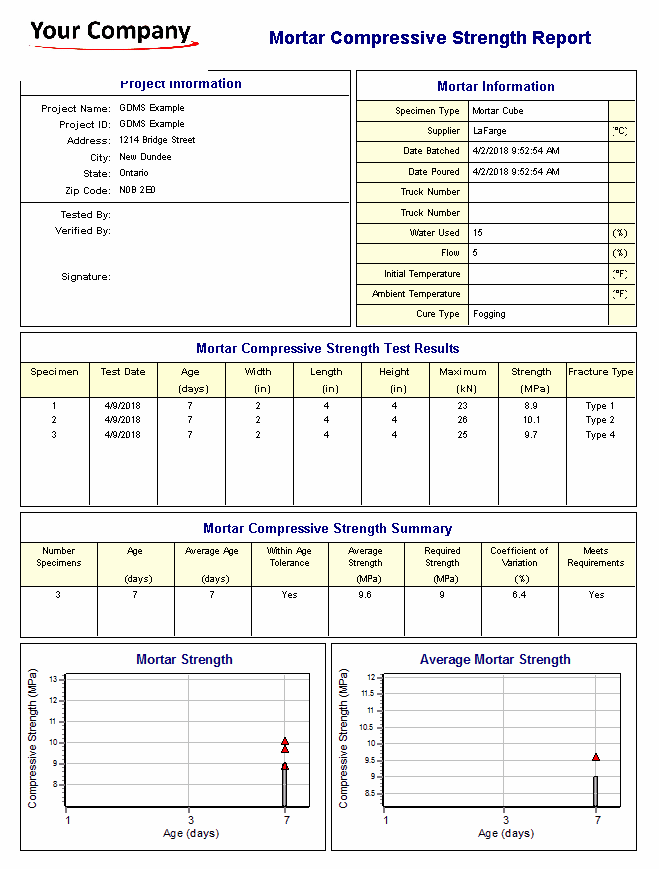
Mortar Compressive Strength 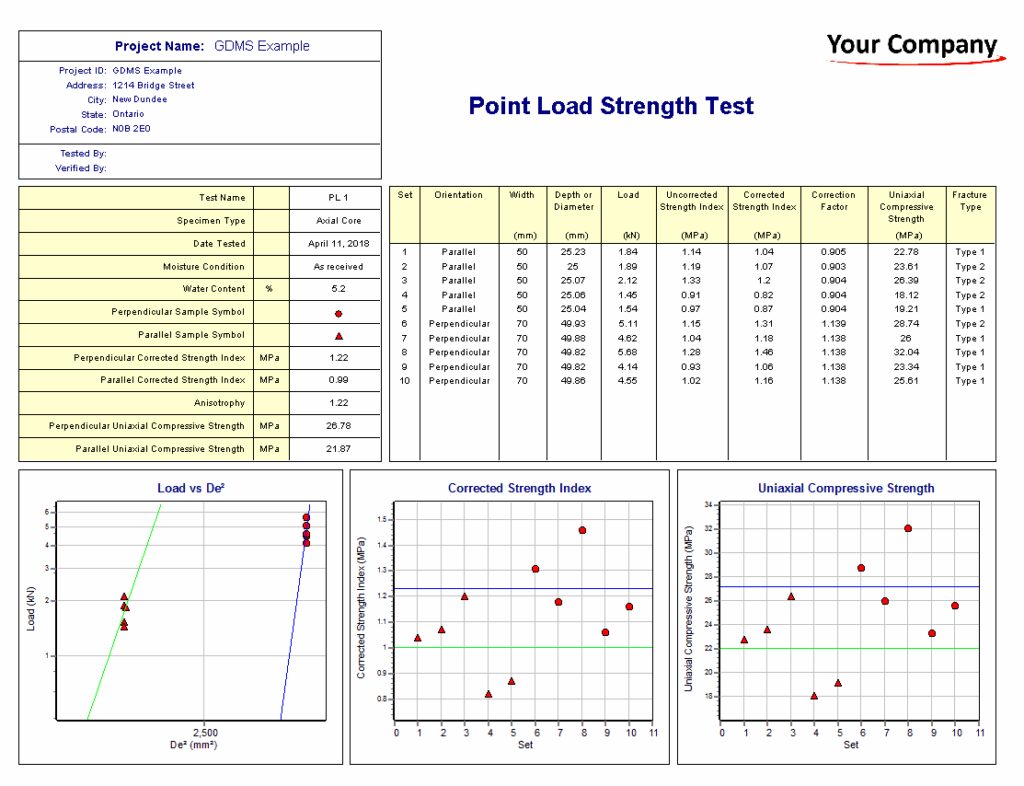
Point Load Strength 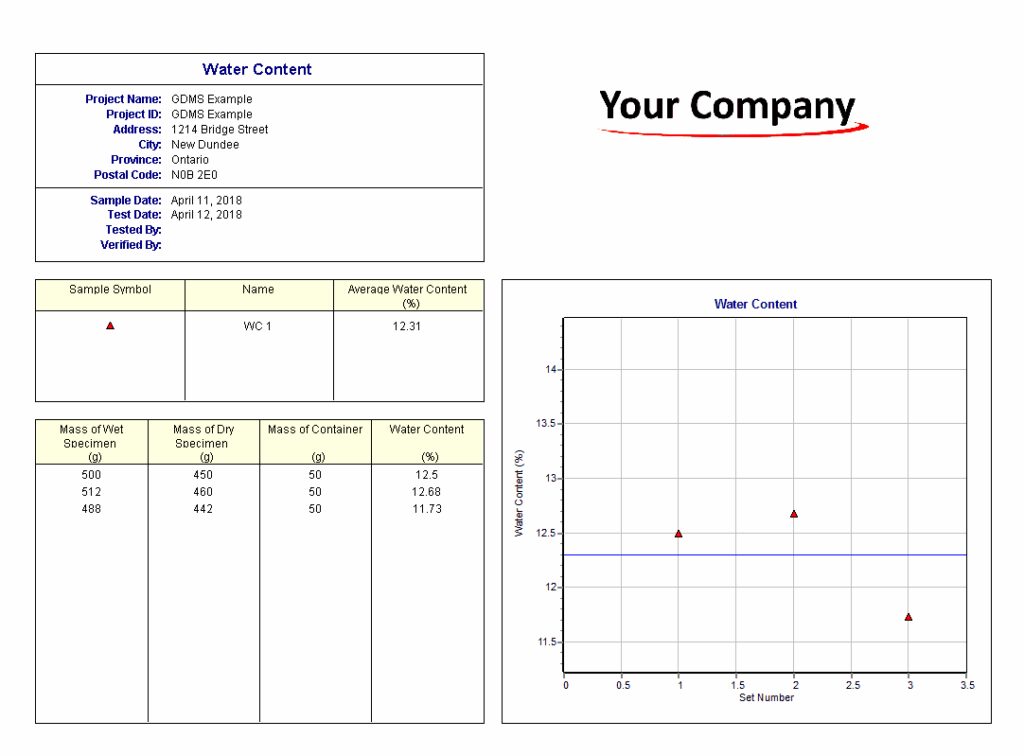
Water Content 
California Bearing Ratio 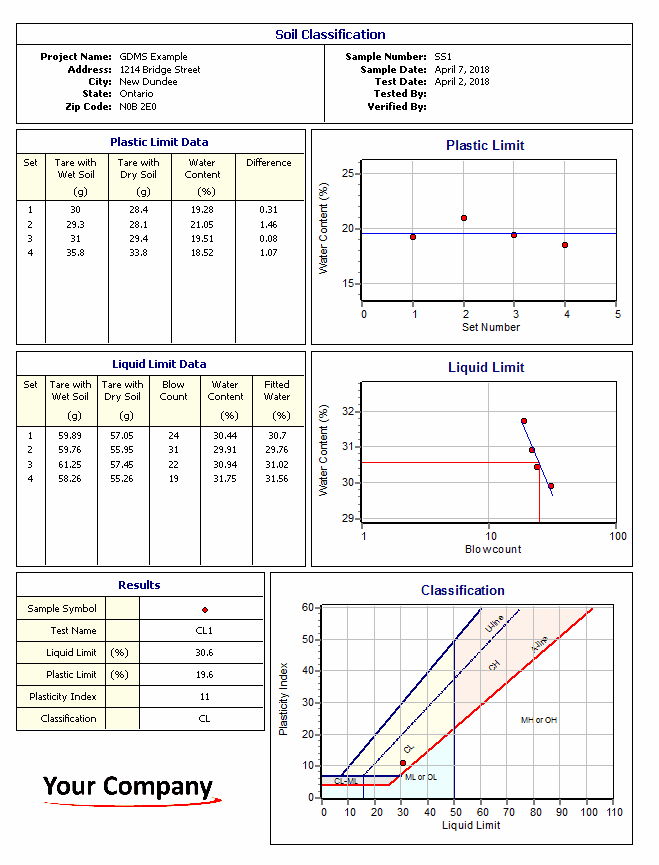
Soil Classification 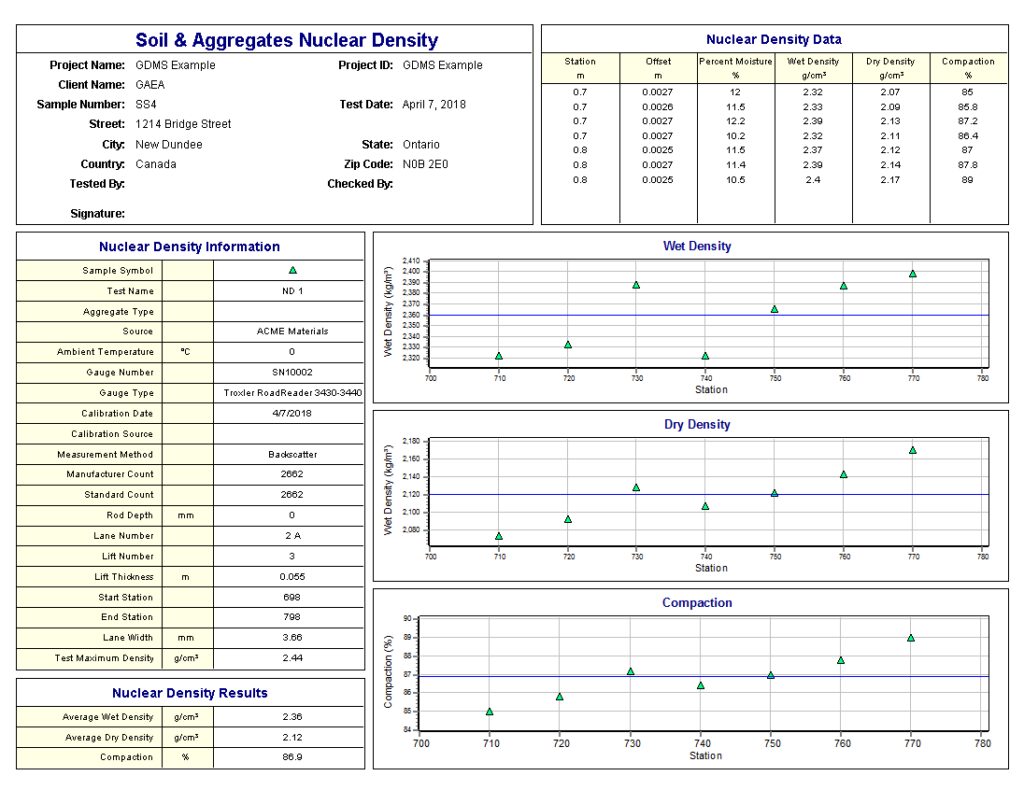
Nuclear Density 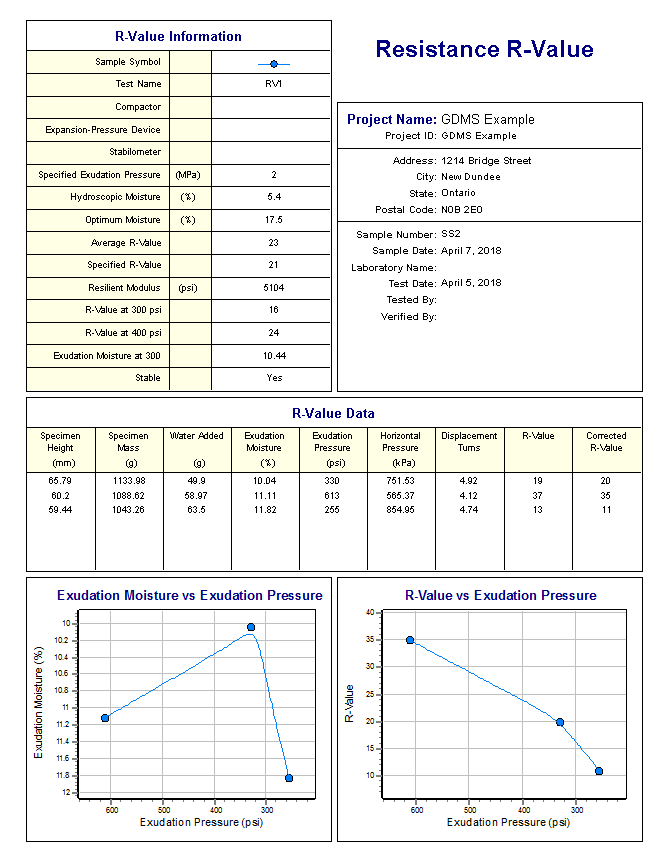
R-Value 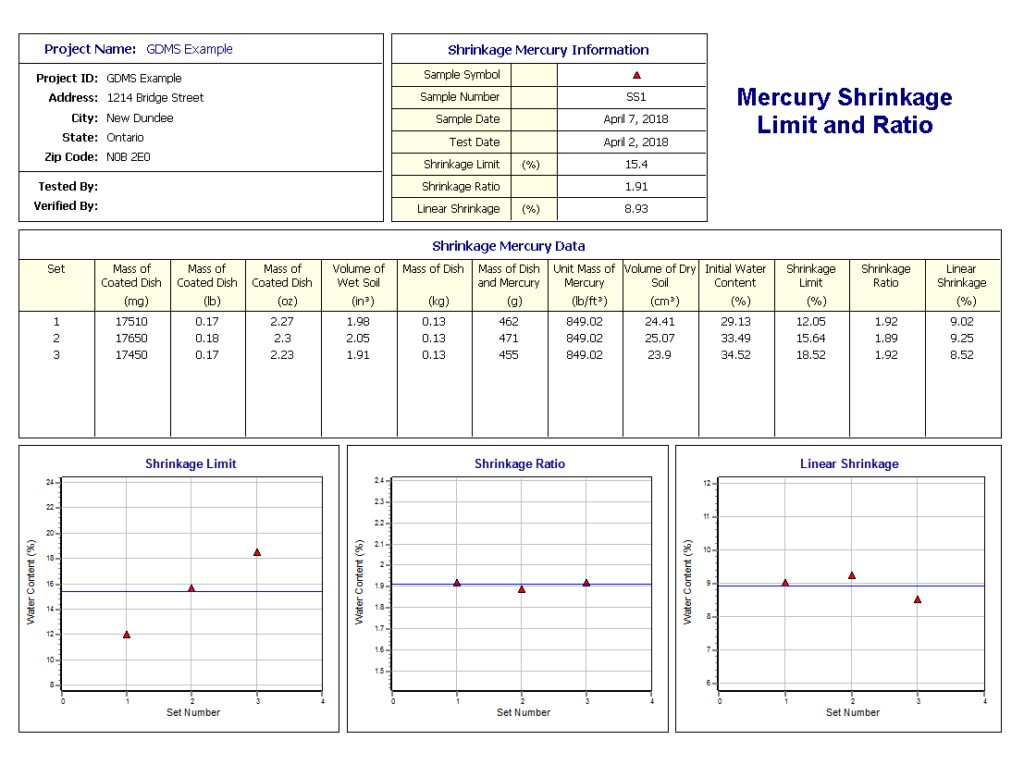
Mercury Shrinkage Limit 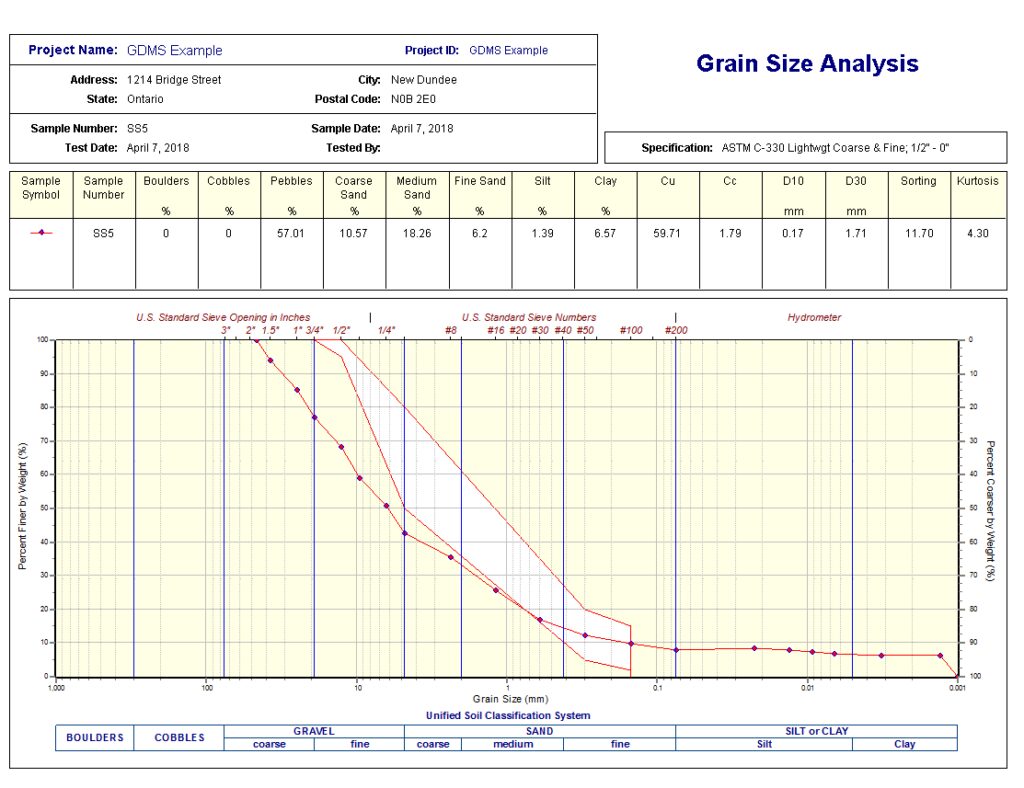
Grain Size Analysis 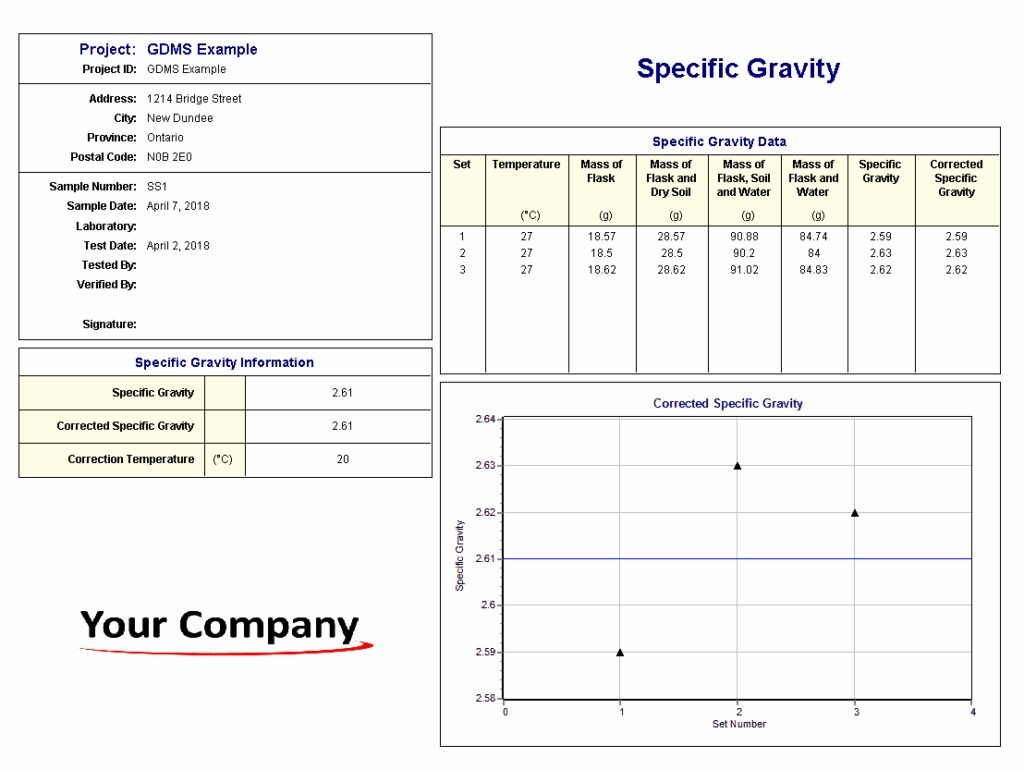
Specific Gravity 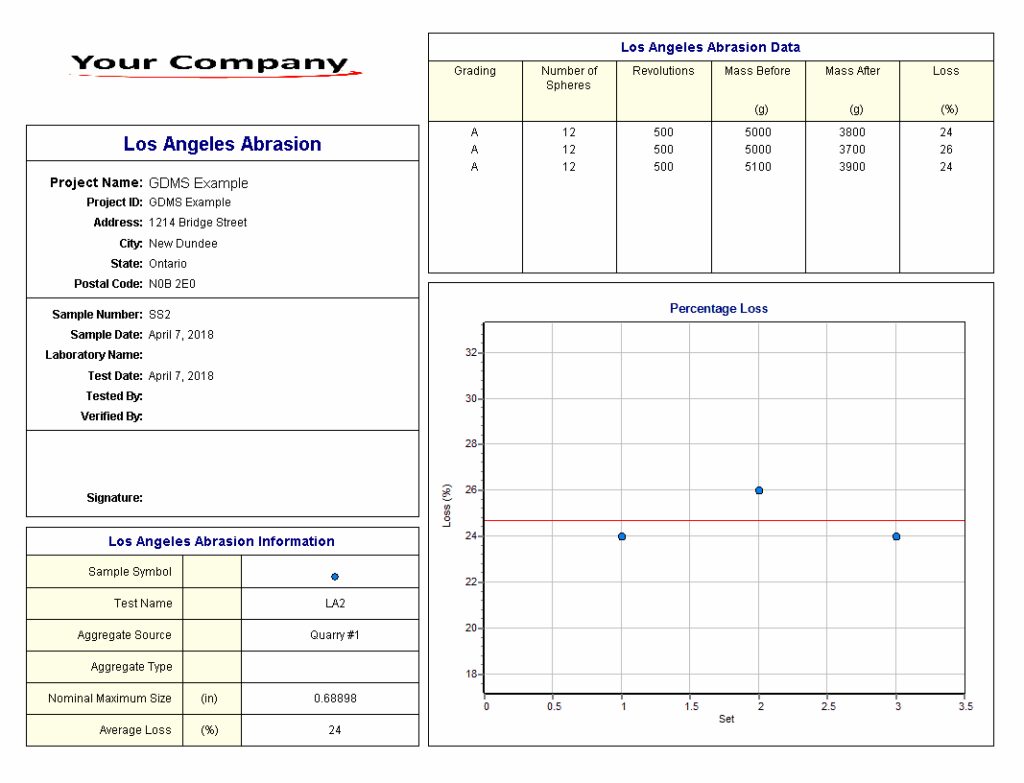
Los Angeles Abrasion 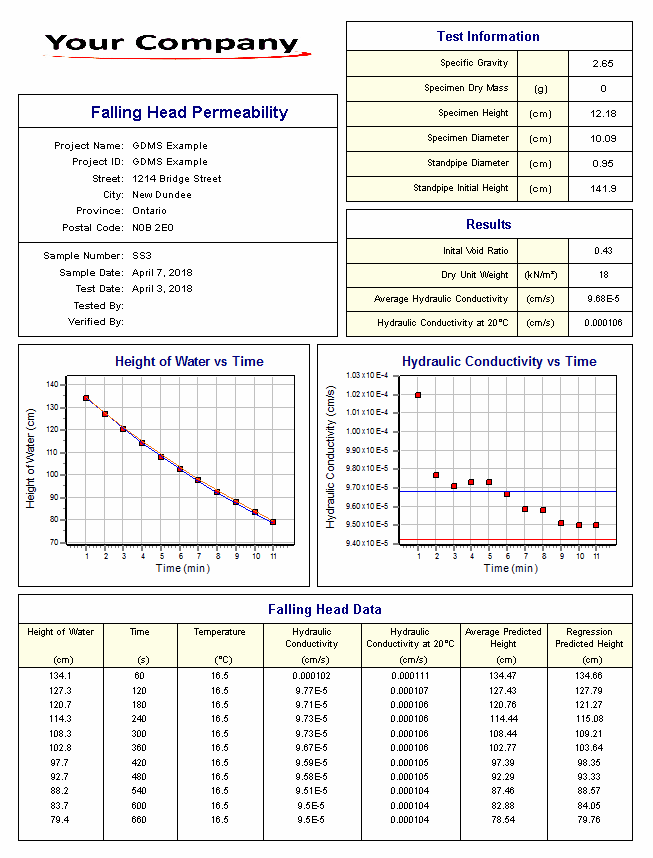
Falling Head Permeability 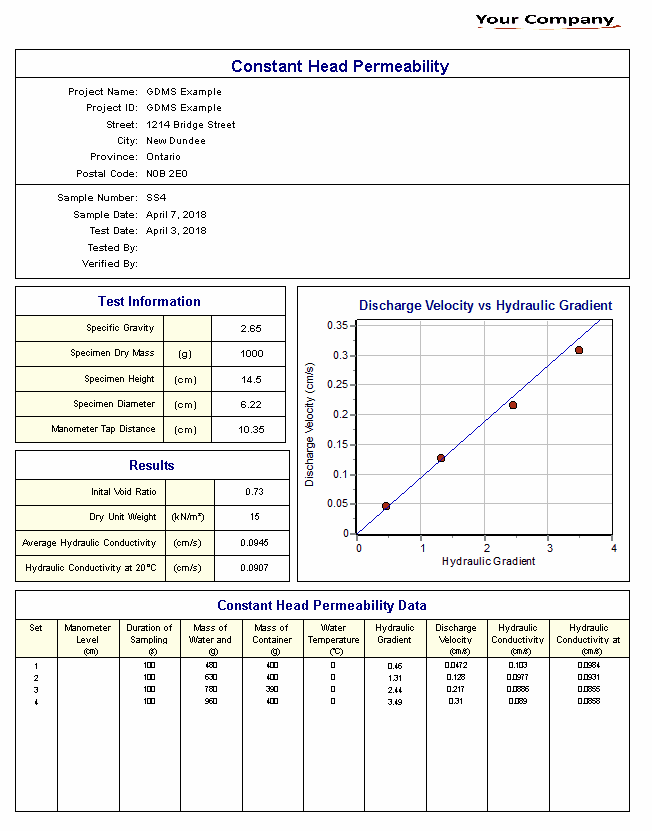
Constant Head Permeability 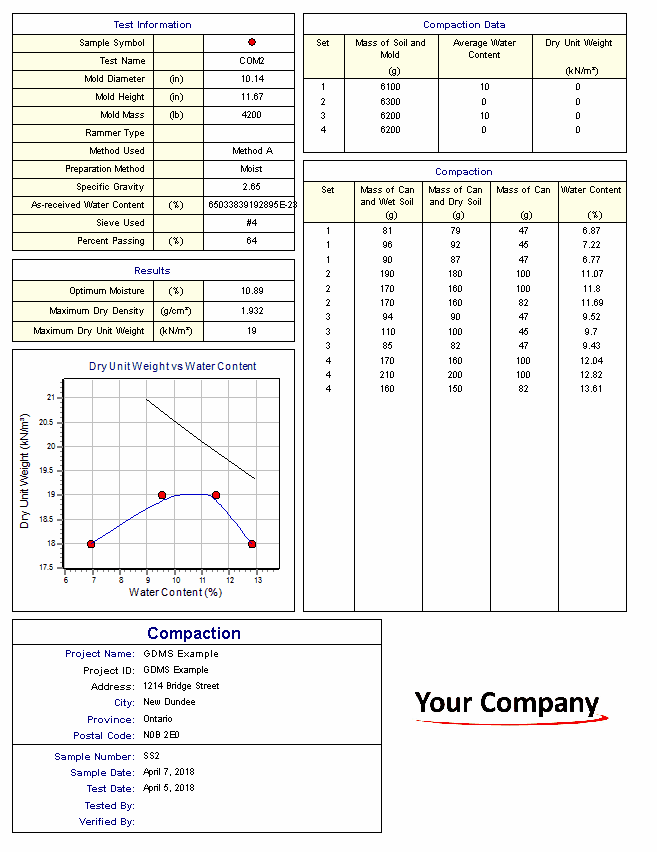
Compaction 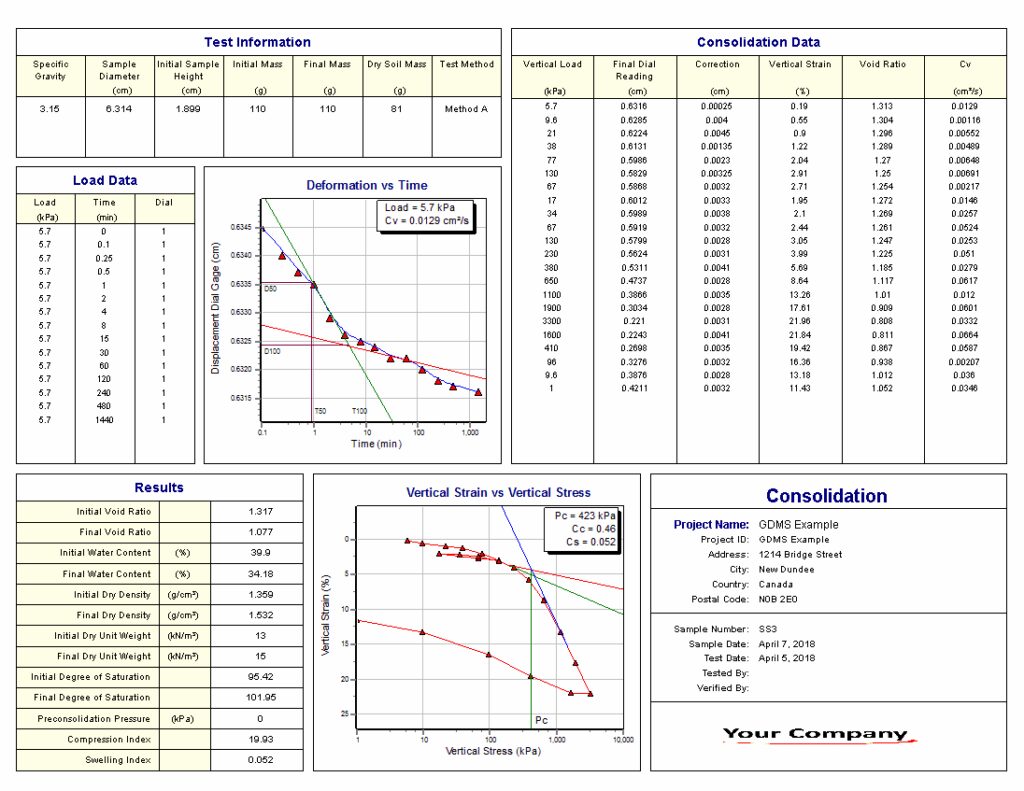
Consolidation 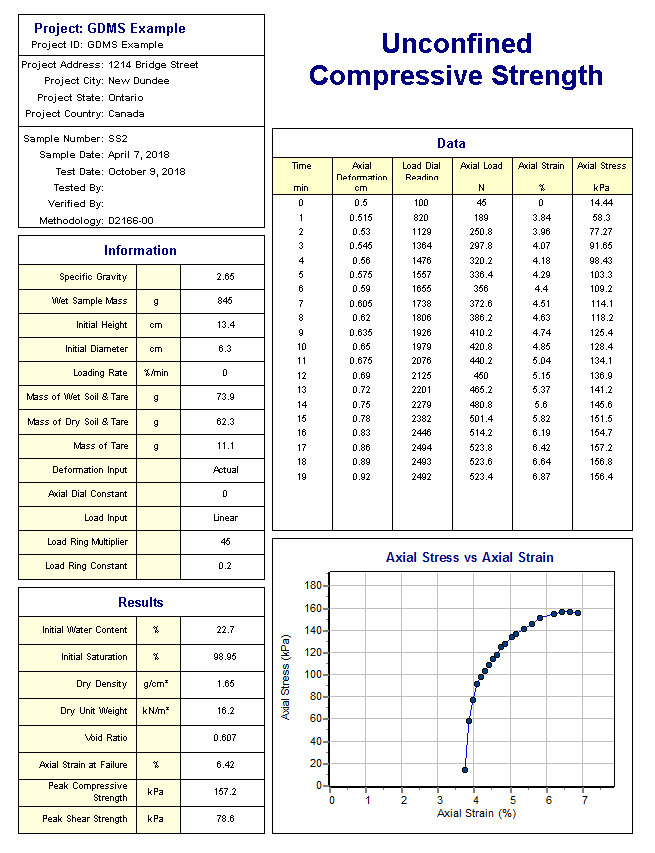
Unconfined Compressive Strength 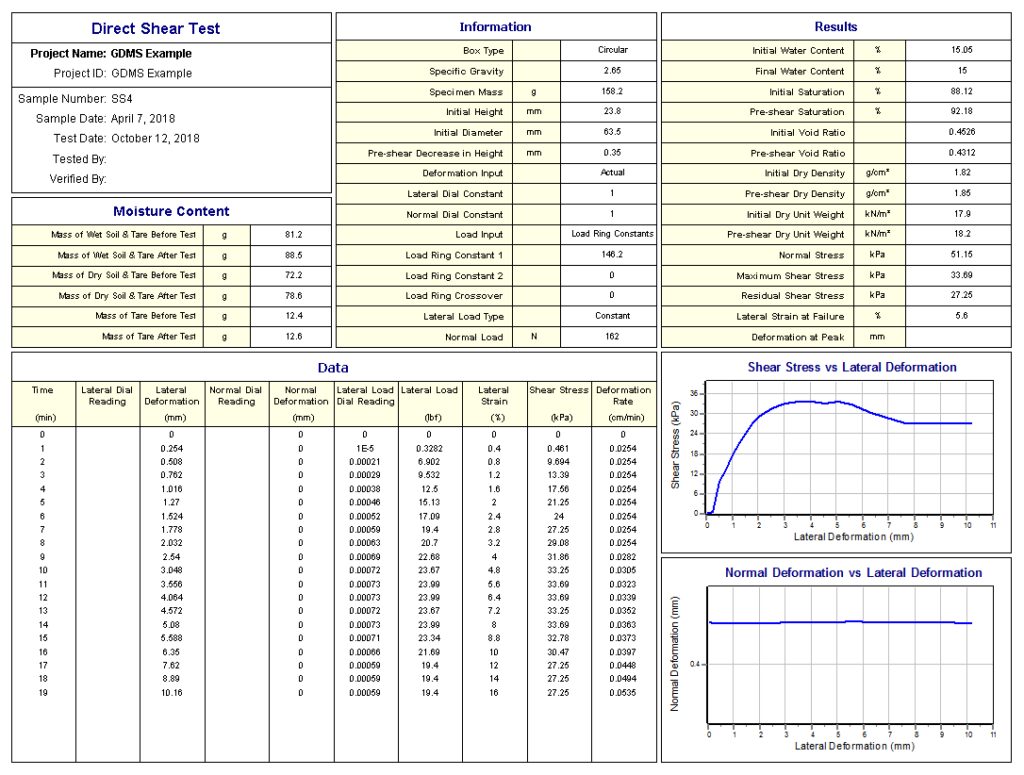
Direct Shear 
Unconfined Compressive Strength 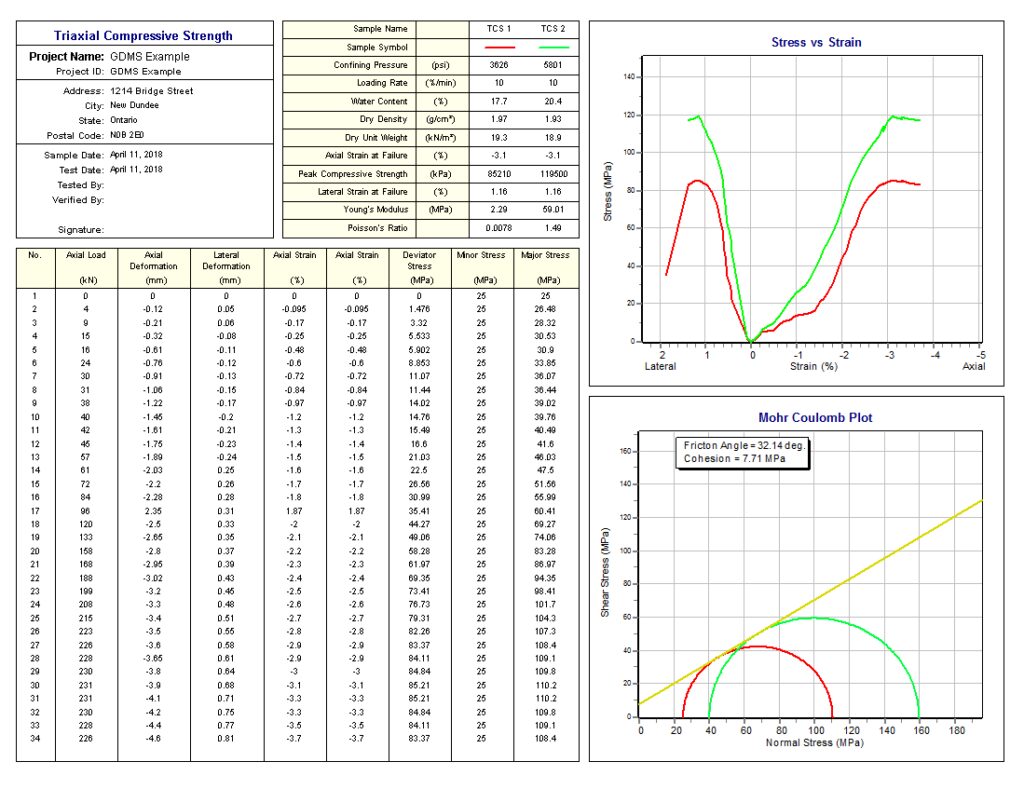
Triaxial Compressive Strength 
Triaxial 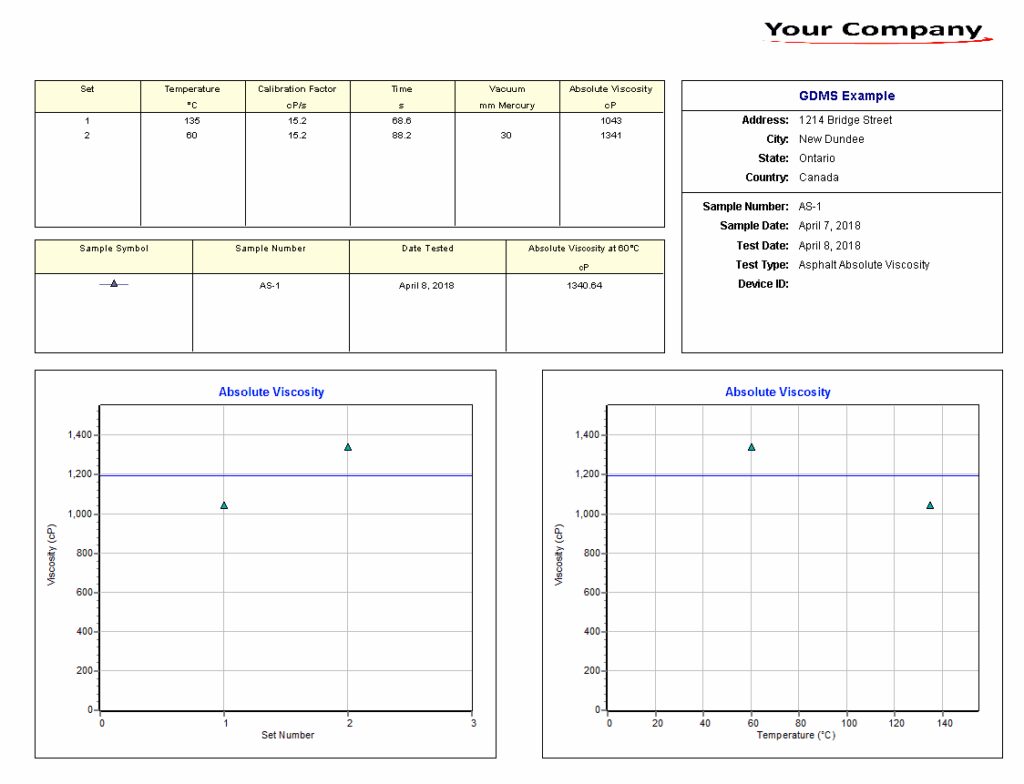
Absolute Viscosity 
Kinematic Viscosity 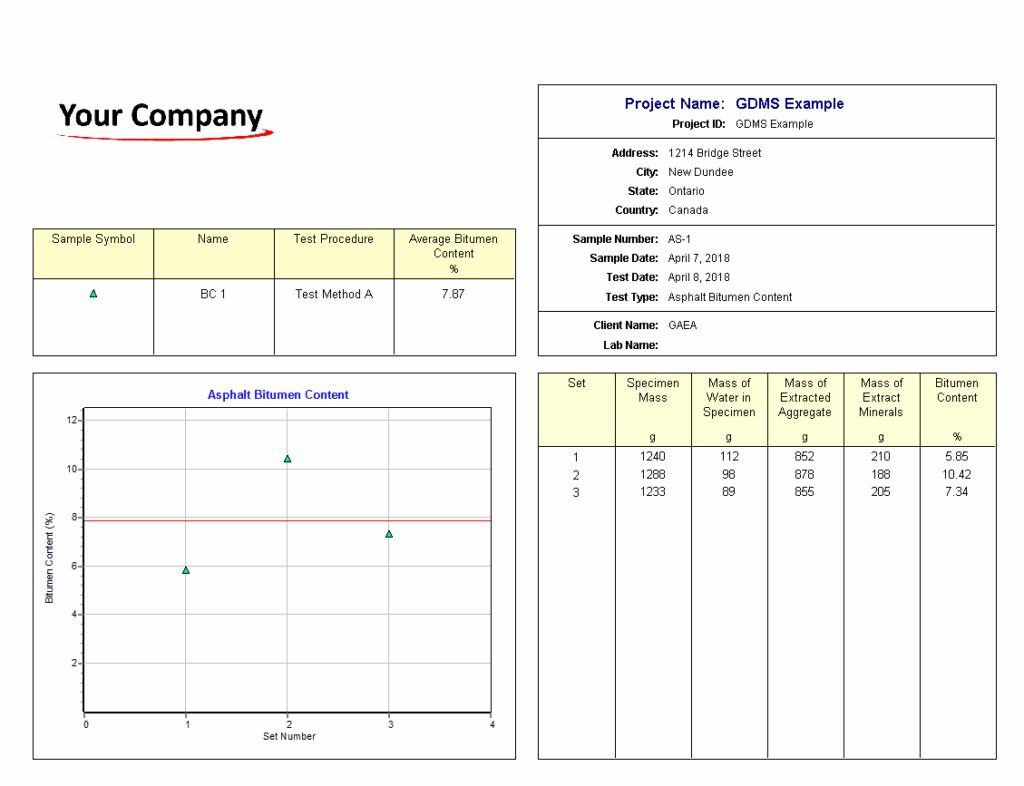
Asphalt Bitumen Content 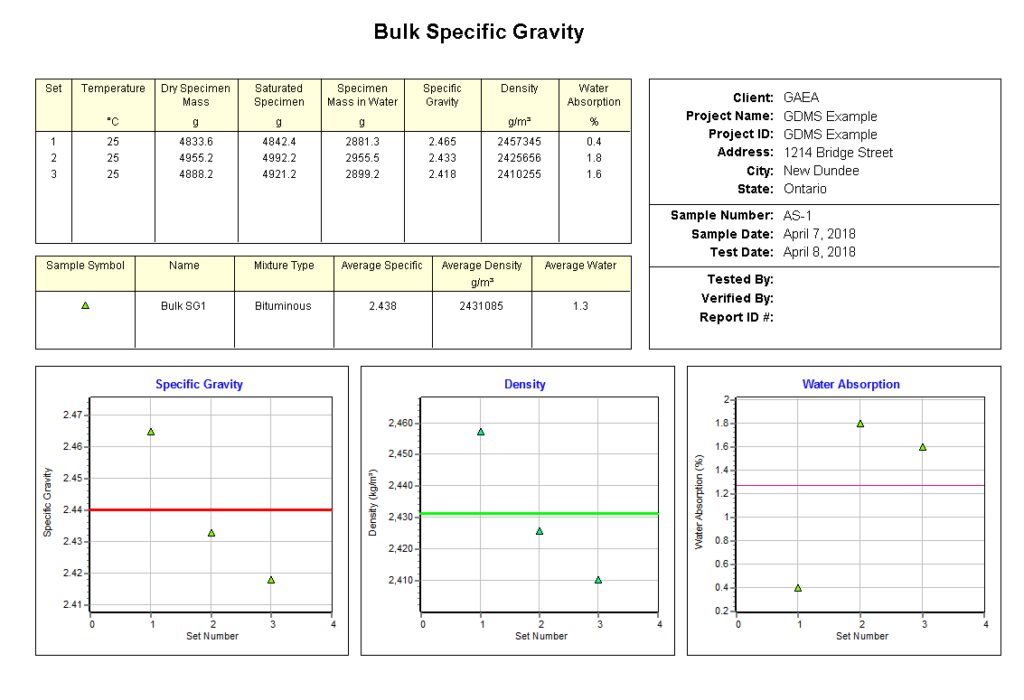
Bulk Specific Gravity 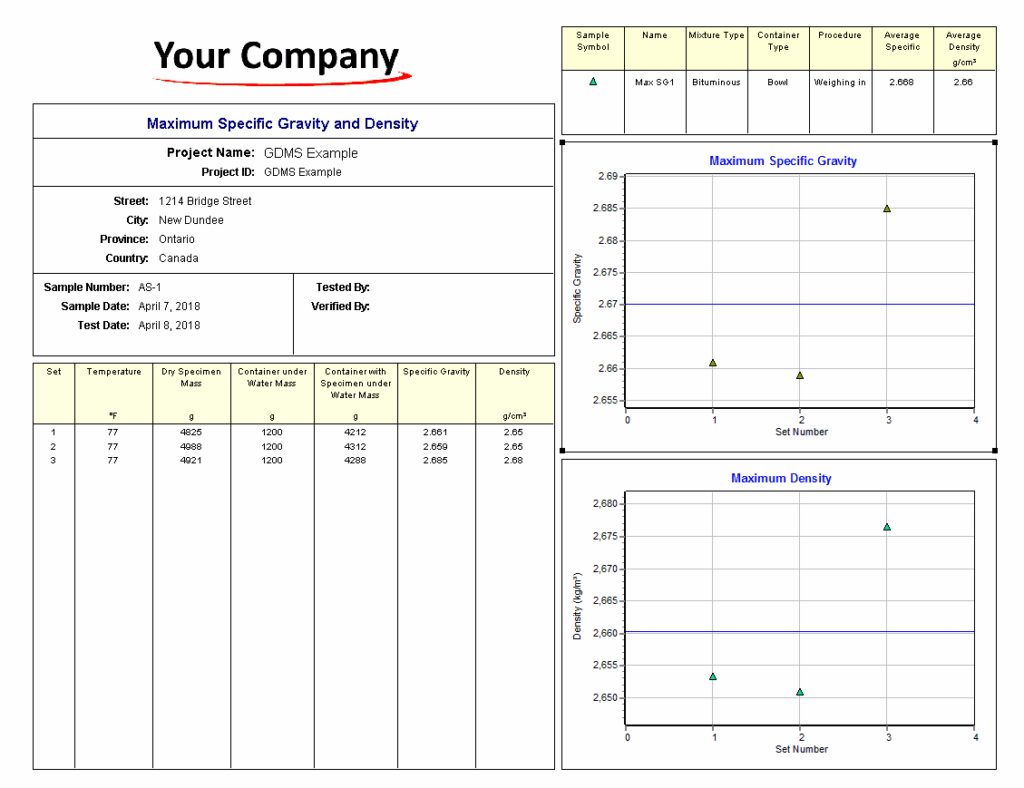
Maximum Specific Gravity 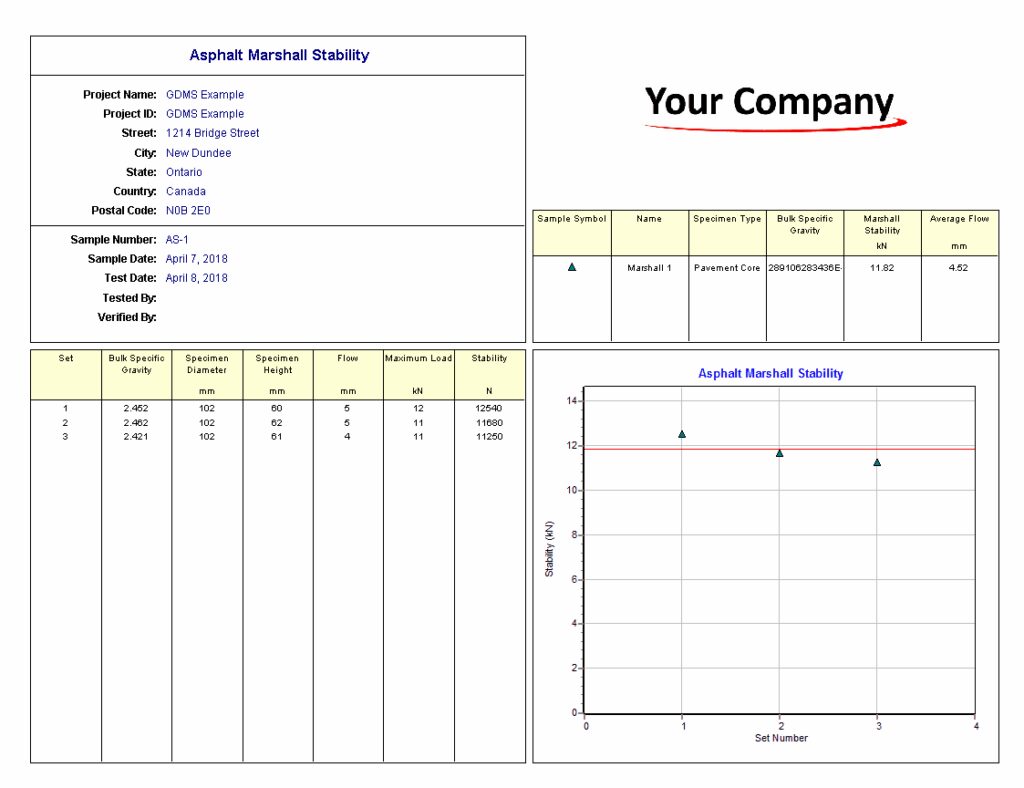
Asphalt Marshall Stability
Conclusion: Why Centralize Your Data?
Using a dedicated GDMS for Geotechnical Testing ensures that your results are standardized, secure, and easily integrated into larger project models. By automating the reporting process, engineers can spend less time on spreadsheets and more time on analysis.