

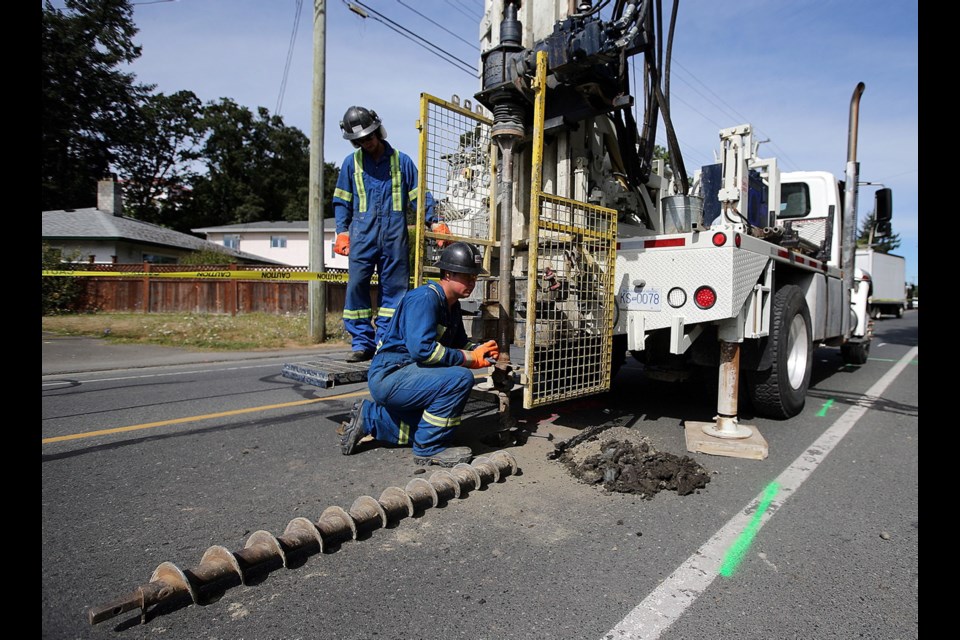
Ensuring that drilling sites are strategically chosen is foundational in confirming contamination levels and developing solid remediation plans. In this blog post, we’ll explore the intricate process of selecting drilling locations for environmental assessments while adhering to regulatory standards. By the end of this article, you will gain insights into the key factors that influence decision-making and suitable methodologies for your projects.
1. Understanding the Purpose of Drilling Locations
When preparing for an environmental investigation, understanding the purpose behind drilling site selection is indispensable. Generally, drilling locations are identified to confirm and delineate potential contamination outlined during a Phase I Environmental Site Assessment (ESA). Drilling helps obtain soil and ground water samples that convey essential information about the site’s environmental status.
2. Phase I Environmental Site Assessment (ESA)
What is a Phase I ESA?
A Phase I ESA is an initial assessment conducted to identify any potential environmental contamination related to a site. It often involves:
- A review of historical and present land uses.
- Identification of potential contamination sources nearby.
- Interviews with site occupants or local records.
The purpose is to establish whether further investigation, such as a Phase II ESA, is warranted. Phase II ESAs include environmental sampling from selected drilling locations to confirm contamination.
Key Outputs of Phase I ESA
- Detailed reports outlining findings.
- Risk assessments based on contamination likelihood.
- Recommendations on potential drilling locations for further investigation.
3. Regulatory Requirements
Identifying drilling locations must align with regulatory frameworks in place to ensure environmental protection. Each country or region may have its specific regulations regarding drilling, such as:
- Environmental Protection Agency (EPA) Guidelines: In the United States, the EPA provides guidelines for determining drilling locations based on contamination concerns. These must be adhered to during the drilling process.
- Local Environmental Regulations: Specific states or municipalities may enforce additional regulations requiring consent from local authorities before proceeding with drilling.
Understanding these frameworks not only ensures legal compliance but also enhances the credibility of the investigation.
4. Site Characterization and Assessment
A. Data Collection
Before determining drilling locations, extensive data collection is required to assess site conditions, contamination potential, and land uses. This involves:
- Historical Research: Analyzing the site’s history provides context for previous uses which may have contributed to contamination.
- Site Reconnaissance: Conducting site visits enables professionals to evaluate current conditions and anticipate drilling challenges.
- Geological Survey: Understanding the local geology helps predict how contaminants may behave in soil and groundwater.
B. Using GIS and Mapping Tools
Geographical Information Systems (GIS) can be incredibly useful in enhancing data visualization and site mapping, allowing:
- Contamination Hotspot Identification: Spatial analysis helps identify areas of the highest risk of contamination, guiding drill site selection.
- Proximity Assessments: Checking distances from contamination sources to proposed drilling sites aids environmental managers in meeting regulatory guidelines.
5. Strategic Criteria for Site Selection
Identifying drilling sites is not merely a technical process; it is strategic. Here are some important criteria to consider:
A. Proximity to Contaminated Sites
Drilling locations must be strategically positioned near identified contamination to ensure relevant samples are taken. Risks associated with contaminants should dictate how close drill sites can be to potential sources.
B. Accessibility
Drilling crews need to access sites easily. Consider the following:
- Road Access: Locations might need to be reachable by vehicles or by foot, which can be a challenge in remote areas.
- Logistics for Equipment Movement: Heavy equipment required for drilling must be able to enter the site without excessive difficulty.
C. Environmental Impact
Every drill operation could have environmental impacts. Thus, consider:
- Soil Type and Vegetation: Understanding the ground cover and soil composition helps minimize ecological disruption.
- Water Sources: Avoid drilling areas near significant water sources to protect against contamination of local waterways and aquifers.
6. Techniques for Identifying Drilling Locations
A. Delineation Drilling
Delineation drilling refers to drilling in a structured manner to confirm the extent of contamination. Approaches include:
- Grid Pattern Drilling: Creating uniform spaces allows even coverage and sample diversity.
- Triangular Pattern Drilling: Adopting a triangular approach may facilitate more insights for irregularly shaped contamination areas.
B. Monitoring Wells Placement
In some investigations, the placement of monitoring wells is crucial for ongoing observations. Factors to consider:
- Hydrological Models: Utilizing models helps predict groundwater flow and ensures monitoring well placements are relevant to contamination source locations.
- Community Concerns: Ensure well placements consider local residents’ feedback, addressing potential anxieties around water usage.
7. Documentation and Reporting
It is essential to document drilling locations meticulously. Reasons include:
- Regulatory Compliance: Comprehensive records are mandatory for demonstrating adherence to local environmental regulations.
- Enhanced Decision Making: Data from previously drilled locations can inform subsequent investigations or future projects.
- Community Engagement: Clear reporting can reinforce trust with local communities impacted by the investigation’s outcomes.
8. Conclusion
The process of determining drilling locations for environmental investigations is both nuanced and critical to project success. By carefully conducting Phase I ESAs, adhering to regulatory requirements, and utilizing strategic and data-driven selections, you can optimize drilling outcomes for effective environmental assessments. Remember, every drilling decision has implications for understanding and remediating potential contamination.
When embarking on your next environmental project, keep these strategic considerations in mind.
Related Articles
- The Complete Guide to Drilling and Sampling for Environmental and Geotechnical Investigations
- Crafting an Effective Health & Safety Plan (HASP)
- Crafting an Effective Emergency Response Plan for Environmental and Geotechnical Drilling
- Essential Job-Site Safety Checklist for Geotechnical and Environmental Drilling
- Essential Steps to Ensure Safe Drilling: Utility Clearances Before Boring Operations
- Hazards to Consider Before Drilling Boreholes in Urban Areas
- Creating A Comprehensive Environmental Sampling And Analysis Plan: Your Guide To Success
- Mastering Conceptual Site Models: A Step-by-Step Guide to Understanding Contaminants
- Mastering Contaminants of Concern: Identification and Delineation
- Sampling Frequency: The Key to Effective Environmental Investigations
- The Critical Role of QA and QC Plans in Environmental Investigations
- The Essential Guide to Selecting Containers and Preservatives for Environmental Soil and Groundwater Samples
- Guide to Collecting and Storing Soil and Groundwater Samples for Environmental Investigations
- Mastering Sample Planning in Geotechnical Investigations: A Comprehensive Guide
- Strategic Insights: Determining Ideal Locations for Geotechnical Investigation Drilling
- The Essential Guide to Selecting and Managing Drilling Contracts for Successful Geotechnical and Environmental Investigations
- Mastering Field Procedures For Accurate Subsurface Investigations
- Mastering the Art of Calibrating a Torvane for Accurate Measurements
- Mastering Soil Testing: How to Calibrate a Pocket Penetrometer for Accurate Readings
- Standard Penetration Testing: A Comprehensive Guide
- The Comprehensive Guide to Calibrating a Photoionization Detector (PID)
- Classifying Soils During Drilling: Your Comprehensive Guide
- Designing a Monitoring Well for Environmental and Geotechnical Investigations
- Types of Protective Casings used for Monitoring Wells
- Choosing the Best Filter and Grout Materials for a Monitoring Well
- Choosing the Best Screen and Riser Pipe Materials for Monitoring Wells
- Standard Operating Procedures for Purging and Sampling Groundwater Monitoring Wells