


Introduction
This guide provides a comprehensive overview of the essential procedures for conducting safe and effective drilling and sampling during environmental and geotechnical investigations.
Environmental and geotechnical site investigations are fundamental prerequisites for almost any land development, construction, or remediation project in urban areas. These investigations are crucial for characterizing the subsurface conditions of a site, ensuring structural integrity, and identifying potential environmental contamination before ground is broken.
While seemingly straightforward, drilling and sampling in developed areas present unique hazards and regulatory requirements. From navigating complex subsurface utilities to maintaining strict quality assurance protocols for sample integrity, successful site investigation requires a systematic, safety-first approach.
This guide outlines the critical steps and best practices for site personnel, engineers, and project managers involved in drilling programs. It covers essential topics including:
• Safety and Planning: Mandatory utility clearances (e.g., Ontario One Call), site-specific Health & Safety Plans (HASPs), and emergency response protocols.
• Investigation Design: Strategies for selecting drilling locations and sampling frequencies based on project objectives (environmental contamination vs. geotechnical load-bearing capacity) and regulatory requirements (e.g., O. Reg. 153/04).
• Field Procedures: Standardized methods for drilling, in-situ testing (like the Standard Penetration Test), sample collection techniques, and field documentation (borehole logging).
• QA/QC and Logistics: Procedures for using appropriate containers and preservatives, maintaining the chain of custody, and selecting certified laboratories to ensure the data is scientifically defensible and meets all regulatory standards.
By adhering to these rigorous procedures, investigators can mitigate risks, generate reliable data, and ensure project compliance while protecting human health and the environment.
1. Safety and Planning Before Drilling Begins
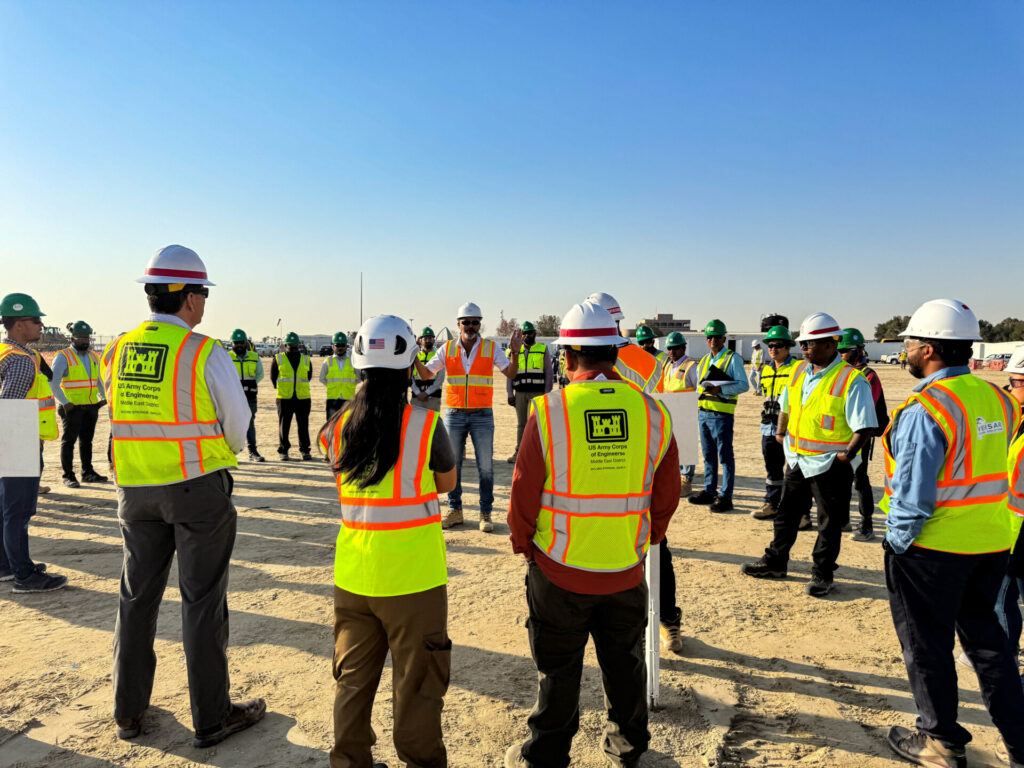
Safety planning is the foundation of every successful drilling program. Before any drilling equipment arrives on site, project teams must complete a series of planning activities designed to reduce risk to workers, infrastructure, and the surrounding environment.
Urban drilling environments can contain buried utilities, unstable soils, contaminated groundwater, and heavy equipment hazards. Proper planning ensures these risks are identified and controlled before fieldwork begins.
Health and Safety Plans (HASP)
Every drilling program should operate under a formal Health and Safety Plan that identifies hazards, outlines mitigation measures, and defines responsibilities for field personnel.
A comprehensive HASP typically includes:
- Hazard identification and risk assessments
- Required personal protective equipment (PPE)
- Decontamination procedures
- Emergency response contacts
- Site access and traffic control procedures
For detailed guidance, see Crafting an Effective Health & Safety Plan (HASP).
Emergency Response Planning
Unexpected situations can occur during drilling operations, including:
- Equipment accidents
- Exposure to contaminated soil or groundwater
- Underground utility strikes
- Fuel spills or environmental releases
Establishing a clear emergency response framework ensures crews can react quickly and minimize impacts. Learn more in Crafting an Effective Emergency Response Plan for Environmental and Geotechnical Drilling.
Utility Clearance Requirements
One of the most critical safety steps is verifying underground utilities prior to drilling.
Striking buried infrastructure such as gas lines, water mains, or electrical conduits can lead to serious injury, service disruption, or environmental contamination.
Best practices include:
- Submitting locate requests to Ontario One Call
- Reviewing as-built drawings
- Conducting electromagnetic or ground penetrating radar surveys
- Marking all utilities clearly on site
For more guidance see:
- Essential Steps to Ensure Safe Drilling: Utility Clearances Before Boring Operations
- Hazards to Consider Before Drilling Boreholes in Urban Areas
Job Site Safety Checklists
Daily site inspections help ensure that safety protocols remain in place throughout the drilling program.
Common checklist items include:
- Verification of locate markings
- Drill rig stability
- Proper PPE usage
- Spill response equipment availability
- Traffic management controls
A complete example is available in Essential Job-Site Safety Checklist for Geotechnical and Environmental Drilling.
2. Designing an Effective Investigation Program
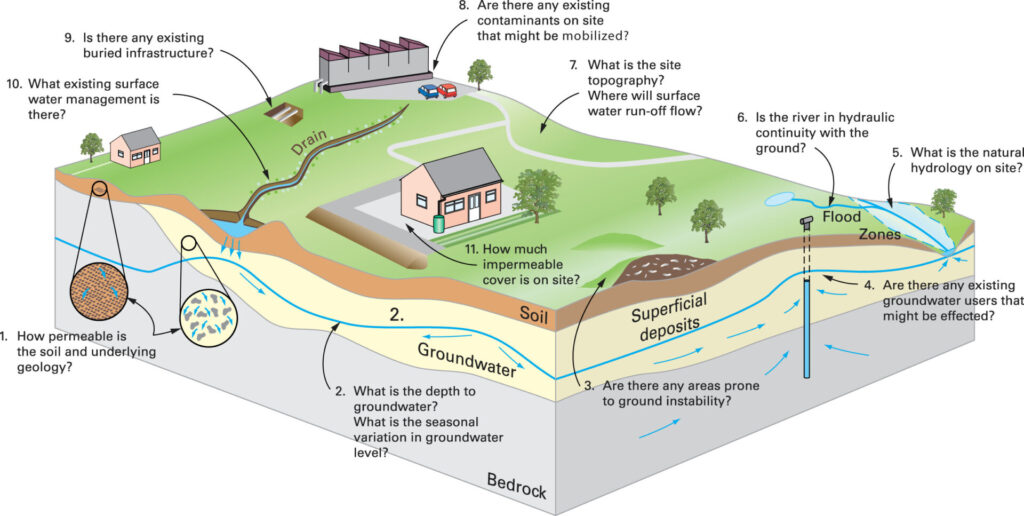
Before drilling begins, investigators must design a program that will collect the data necessary to answer key project questions.
These questions typically fall into two categories:
Environmental Investigation Objectives
Environmental investigations focus on identifying contamination in soil and groundwater.
Typical goals include:
- Determining presence of contaminants
- Defining contaminant concentrations
- Mapping contamination extent
- Assessing groundwater flow and migration
A structured sampling plan is required to ensure reliable data collection. For more detail see Creating A Comprehensive Environmental Sampling And Analysis Plan: Your Guide To Success.
Conceptual site models also play a key role in designing environmental investigations. Learn more in:
- Mastering Conceptual Site Models: A Step-by-Step Guide to Understanding Contaminants
- Mastering Contaminants of Concern: Identification and Delineation
Determining Sampling Frequency
Sampling frequency determines how many samples must be collected to properly characterize site conditions.
Too few samples may lead to incomplete or misleading conclusions, while excessive sampling can significantly increase project costs.
Detailed guidance is available in Sampling Frequency: The Key to Effective Environmental Investigations.
Geotechnical Investigation Objectives
Geotechnical investigations are conducted to evaluate soil properties relevant to construction and foundation design.
Typical objectives include:
- Determining soil strength
- Evaluating settlement potential
- Assessing groundwater conditions
- Identifying geologic layers
Geotechnical sampling strategies are explained in Mastering Sample Planning in Geotechnical Investigations: A Comprehensive Guide.
Selecting Drilling Locations
The location of boreholes must be carefully selected to ensure adequate site coverage.
Factors influencing drilling locations include:
- Building footprints
- Known contamination areas
- Soil variability
- Groundwater flow direction
Further guidance can be found in:
- Strategic Considerations for Determining Drilling Locations in Environmental Investigations
- Strategic Insights: Determining Ideal Locations for Geotechnical Investigation Drilling
3. Managing Drilling Contracts and Field Logistics
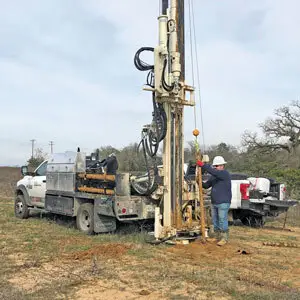
Environmental and geotechnical investigations often rely on specialized drilling contractors to perform subsurface exploration.
Selecting the right contractor is essential to ensuring safe and efficient field operations.
Important considerations include:
- Contractor experience with environmental investigations
- Equipment capabilities
- Health and safety record
- Quality control procedures
- Availability of trained field crews
For more details see The Essential Guide to Selecting and Managing Drilling Contracts for Successful Geotechnical and Environmental Investigations.
Proper planning of logistics is also necessary to manage:
- Drill rig access
- Equipment staging
- Soil cuttings management
- Site restoration
4. Field Procedures for Drilling and Sampling
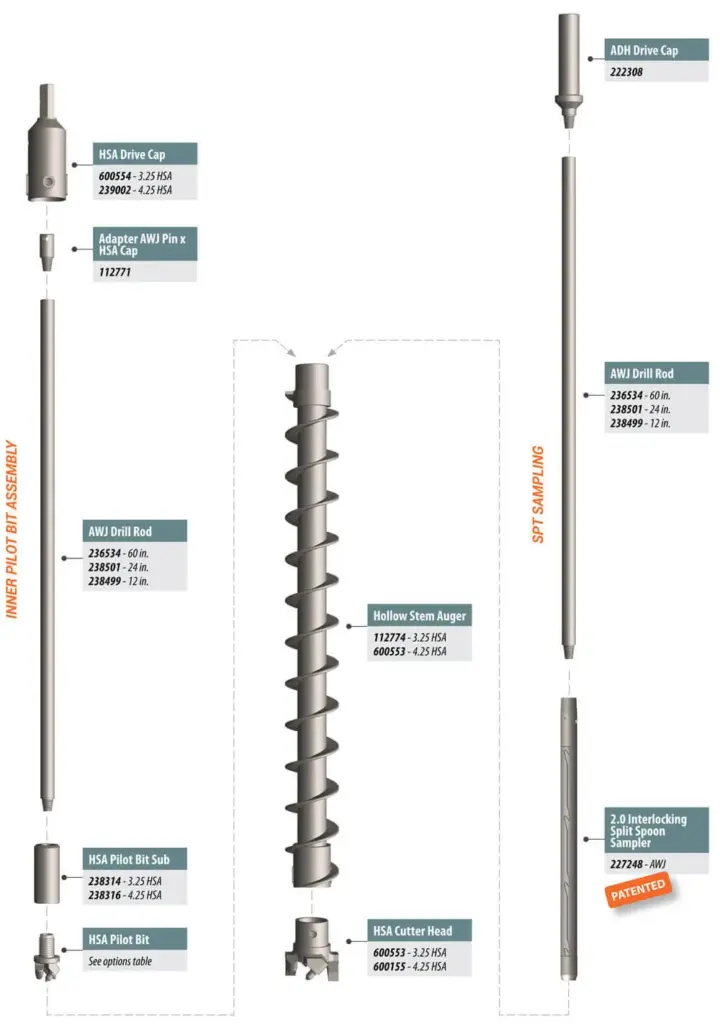
Field procedures determine the accuracy and reliability of subsurface investigation data.
Standardized drilling methods ensure that samples are representative and comparable across multiple projects.
Common Drilling Methods
Several drilling techniques are commonly used in environmental and geotechnical investigations.
These include:
Hollow Stem Auger Drilling
- Common for environmental sampling
- Allows soil sampling without drilling fluids
- Facilitates monitoring well installation
Mud Rotary Drilling
- Used for deeper boreholes
- Suitable for unstable soils
Direct Push Technology
- Rapid sampling method
- Often used for environmental screening
Detailed procedural guidance is provided in Mastering Field Procedures For Accurate Subsurface Investigations.
Borehole Logging
Accurate borehole logging is essential for documenting subsurface conditions.
Typical log information includes:
- Soil type and classification
- Color and moisture content
- Grain size and structure
- Depth of groundwater
- Sample intervals
Proper soil identification methods are described in Classifying Soils During Drilling: Your Comprehensive Guide.
5. In-Situ Testing and Field Instrumentation
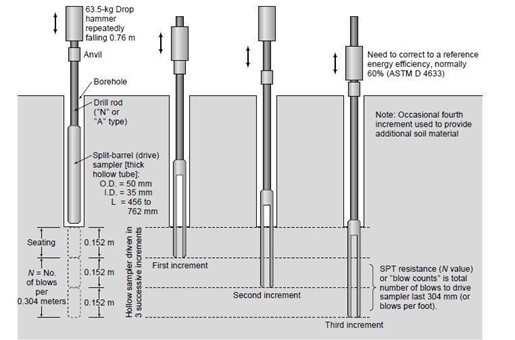
Field testing provides real-time information about soil properties and contamination conditions.
These measurements help engineers make immediate decisions about drilling depth, sampling intervals, and monitoring well placement.
Standard Penetration Testing (SPT)
The Standard Penetration Test (SPT) is one of the most widely used geotechnical tests.
The procedure involves driving a split-spoon sampler into the soil using a standardized hammer and measuring resistance.
SPT results are used to estimate:
- Soil density
- Shear strength
- Settlement potential
A detailed overview is provided in Standard Penetration Testing: A Comprehensive Guide.
Soil Strength Testing Tools
Several handheld devices are commonly used during drilling:
Pocket Penetrometer
- Estimates soil compressive strength
- Useful for cohesive soils
See Mastering Soil Testing: How to Calibrate a Pocket Penetrometer for Accurate Readings.
Torvane Shear Device
- Measures shear strength of cohesive soils
Learn more in Mastering the Art of Calibrating a Torvane for Accurate Measurements.
Environmental Screening Instruments
Environmental investigations often include screening tools such as:
Photoionization Detectors (PID)
These instruments detect volatile organic compounds in soil vapors.
Calibration procedures are explained in The Comprehensive Guide to Calibrating a Photoionization Detector (PID).
6. Soil and Groundwater Sampling Procedures
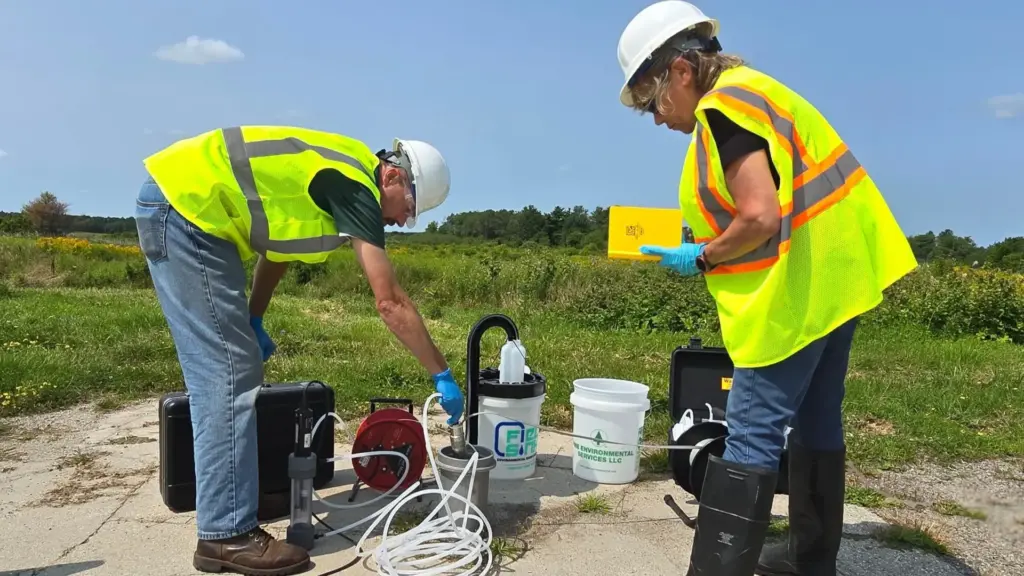
The accuracy of environmental investigations depends heavily on proper sample collection and handling.
Improper sampling techniques can lead to contamination, degradation, or loss of analytes.
Sample Containers and Preservatives
Different contaminants require specific containers and preservatives to maintain sample integrity.
Examples include:
- Glass vials for volatile organic compounds
- Plastic bottles for metals
- Preservatives such as nitric acid or hydrochloric acid
Guidance is provided in The Essential Guide to Selecting Containers and Preservatives for Environmental Soil and Groundwater Samples.
Sample Handling and Storage
To maintain sample quality:
- Samples should be stored in coolers with ice
- Holding times must be respected
- Chain-of-custody documentation must accompany samples
See Guide to Collecting and Storing Soil and Groundwater Samples for Environmental Investigations.
7. Monitoring Well Installation
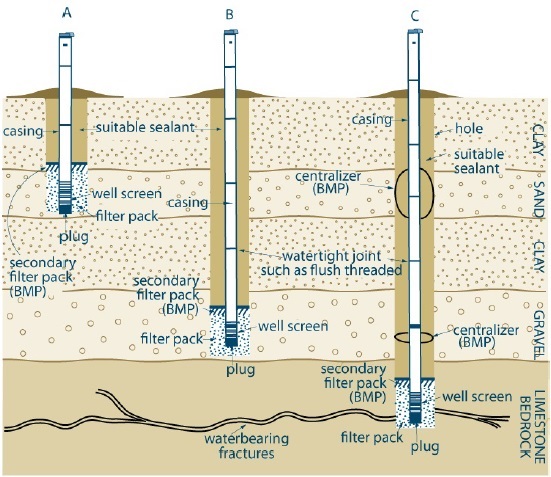
Monitoring wells are installed during drilling programs to allow long-term groundwater sampling and monitoring.
Proper well design ensures accurate representation of groundwater conditions.
Monitoring Well Design
A typical monitoring well includes:
- Well screen
- Riser pipe
- Filter pack
- Bentonite seal
- Protective casing
Design guidance can be found in Designing a Monitoring Well for Environmental and Geotechnical Investigations.
Well Materials
Selecting appropriate materials is essential for long-term durability and chemical compatibility.
Additional resources include:
- Choosing the Best Screen and Riser Pipe Materials for Monitoring Wells
- Choosing the Best Filter and Grout Materials for a Monitoring Well
- Types of Protective Casings used for Monitoring Wells
Groundwater Sampling
Once installed, monitoring wells are purged and sampled according to standardized procedures.
Detailed guidance is available in Standard Operating Procedures for Purging and Sampling Groundwater Monitoring Wells.
8. Quality Assurance and Quality Control (QA/QC)
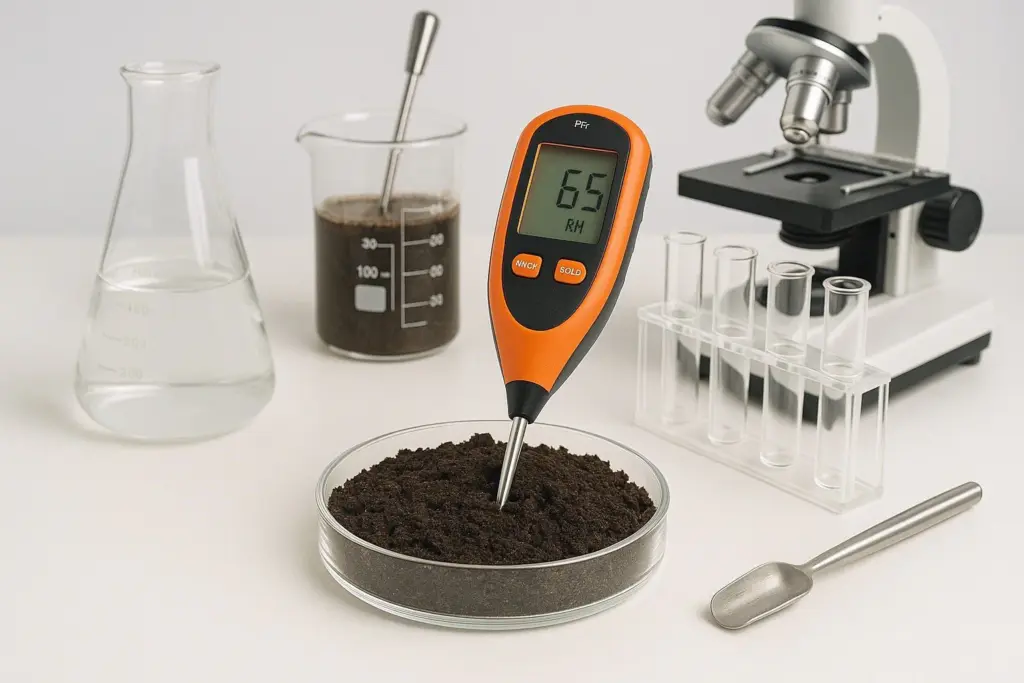
Quality assurance and quality control procedures ensure that investigation results are scientifically defensible.
QA/QC programs typically include:
- Field duplicates
- Equipment blanks
- Trip blanks
- Calibration verification
- Laboratory quality control samples
These procedures allow investigators to evaluate the accuracy and reliability of environmental data.
For more detail see The Critical Role of QA and QC Plans in Environmental Investigations.
9. Documentation and Reporting
Accurate documentation is essential for maintaining regulatory compliance and supporting engineering decisions.
Key documentation includes:
- Borehole logs
- Field notes
- Sampling records
- Calibration records
- Laboratory reports
These documents form the basis for:
- Environmental site assessments
- Geotechnical reports
- Risk assessments
- remediation planning
Digital borehole logging software and environmental databases are increasingly used to manage this information and streamline reporting workflows.
Conclusion
Drilling and sampling form the backbone of environmental and geotechnical investigations. These activities provide the critical data needed to understand subsurface conditions, identify contamination risks, and design safe infrastructure.
However, drilling programs involve far more than simply advancing boreholes into the ground. Successful investigations require careful planning, rigorous safety procedures, precise field methods, and strict quality control protocols.
By following the procedures outlined in this guide, project teams can ensure that drilling and sampling programs are:
- Safe for workers and the public
- Scientifically defensible
- Compliant with regulatory requirements
- Effective in generating reliable subsurface data
Whether supporting environmental site assessments, groundwater monitoring programs, or geotechnical foundation design, well-executed drilling investigations remain one of the most essential tools available to environmental scientists and engineers.