

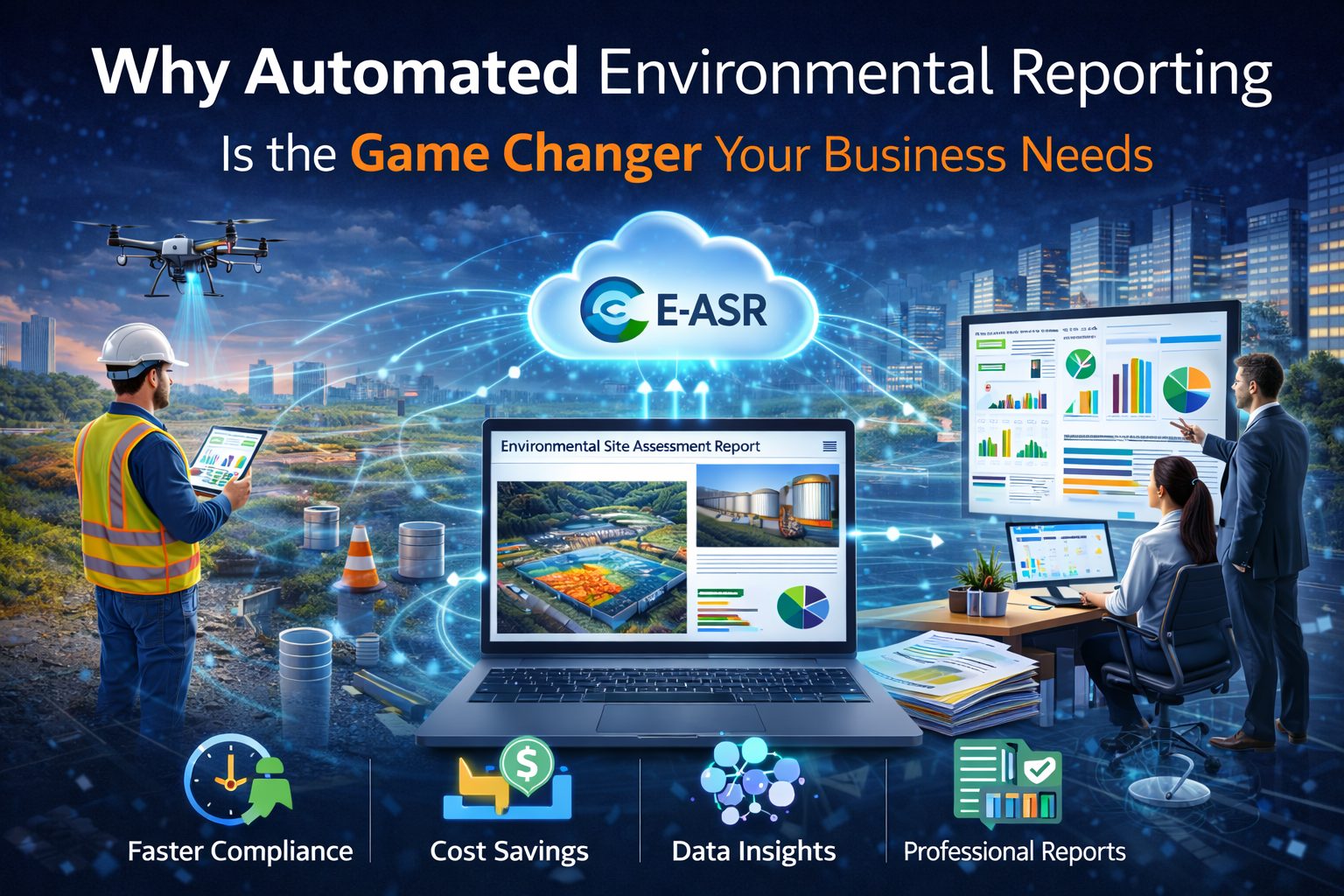
Did you know that companies that adopt automated reporting can reduce their reporting time by up to 80%? In the fast-paced world of business, where efficiency meets accountability, accurate environmental reporting is a linchpin for success. Such reports don’t just fulfill regulatory requirements; they are critical for sustainability strategies and building stakeholder trust. In this blog post, we will explore the myriad benefits of automated environmental reporting, how it helps your organization streamline processes, comply with regulations, and embrace sustainability more effectively. Get ready for a deep dive into how automated reporting can transform your organization and set you up for a greener future!
The Necessity of Environmental Reporting
Today, businesses are under increasing pressure to demonstrate their commitment to sustainability. With the global emphasis on corporate responsibility, stakeholders, including investors, customers, and regulators, expect transparency and accountability in environmental practices. Proper environmental reporting allows businesses to track their progress, showcase their achievements, and identify areas that need improvement. This crucial practice not only promotes a positive public image but also mitigates risks associated with non-compliance.
Understanding Automated Environmental Reporting
Automated environmental reporting utilizes sophisticated software to collect, analyze, and present data regarding a company’s environmental impact. This technology significantly reduces human error and the manual workload associated with data gathering, analysis, and report generation. By automating the reporting process, companies can focus on strategic planning and execution while ensuring compliance with regulations more efficiently.
1. Enhanced Accuracy and Reliability
One of the paramount benefits of automated reporting is its ability to enhance accuracy. Human error is a significant concern in manual reporting processes—whether it’s data misinterpretation or transcription mistakes. Automation removes these risks by streamlining data collection directly from reliable sources, thereby ensuring high accuracy levels. Companies can trust that their reports reflect real-time data and true environmental impact.
2. Time Savings
Time is one of the most critical resources for any business. With automation, organizations can save countless hours previously spent on compiling, analyzing, and reporting data. Automated systems allow businesses to generate reports quickly without sacrificing detail or accuracy. This means that employees can devote time to strategy and decision-making rather than routine data entry.
3. Cost Reduction
Automating environmental reporting can also lead to significant cost reductions. By minimizing the need for manual labor, companies can decrease the overhead associated with environmental reporting. Moreover, reduced reporting time translates to cost savings in terms of administrative hours and resources.
4. Compliance Made Easy
Regulatory requirements around environmental impact reporting can be complex and constantly evolving. Failing to comply can result in heavy fines and damage to reputation. Automated systems can be programmed to stay aligned with the latest regulations, ensuring that reports are always compliant. This helps mitigate the risk associated with human oversight and changes in legislation.
5. Improved Data Visualization
Data is more impactful when conveyed visually. Automated reporting solutions often include features that transform raw data into easily understood visual formats like graphs and charts. This can help stakeholders quickly grasp a company’s environmental impact and performance. Improved data visualization makes it easier to spot trends, identify areas for improvement, and communicate results to a broader audience.
6. Seamless Data Integration
Automated environmental reporting tools usually involve integration with existing data management systems. This seamless integration means information flows effortlessly between departments and systems. Companies can centralize their data repositories, promoting coherent and consistent reporting across organizational structures.
7. Stakeholder Engagement
Effective communication is essential in fostering stakeholder engagement. Automated reports facilitate this by making it easier for companies to share their sustainability initiatives and outcomes transparently. This transparency builds trust and enhances engagement with investors, customers, and the public.
8. Scalability
As a business grows, so too does the complexity of its environmental reporting needs. Automated solutions can be scaled up to accommodate increased data volumes and more complicated reporting requirements, assuring that as an organization expands, its reporting capabilities remain robust.
9. Real-Time Monitoring
Automated environmental reporting systems allow companies to monitor their performance in real time. Organizations can swiftly identify deviations from objectives and take corrective action. This proactive approach is critical in achieving and maintaining compliance while fostering sustainable practices.
Adoption of Automated Environmental Reporting
Transitioning to automated environmental reporting can seem daunting, but understanding the steps involved can simplify the process.
- Assess Current Processes: Evaluate current reporting methods to identify inefficiencies and areas for improvement. This initial analysis is crucial for making a compelling case for automation.
- Select the Right Software: Choose software that meets your company’s needs. Consider factors such as usability, scalability, compatibility with existing systems, and customer support.
- Train Staff: Implementation of new tools often requires training staff in the new processes and technology. Educating users about the benefits and functionalities of the software can ensure a smooth transition.
- Integrate with Existing Systems: Ensure that the new reporting system integrates seamlessly with existing data management systems. This can require collaboration between the IT department and other relevant stakeholders.
- Monitor and Optimize: After deployment, it’s essential to monitor the system’s performance continually. Gather feedback from users, analyze the data outputs, and make adjustments as necessary to enhance reporting efficacy.
Conclusion: The Path Ahead for Environmental Responsibility
While moving towards automated environmental reporting might seem like a significant shift, the benefits far outweigh the challenges. By adopting this innovative approach, organizations not only improve their operational efficiency but also solidify their commitment to sustainability. In an era marked by rapid climate change and increasing regulatory scrutiny, putting robust reporting processes in place is not merely an option—it’s a necessity. By making the shift to automated reporting, businesses can forge stronger engagements with stakeholders and pave the way toward a more sustainable future.
So where do we go from here? It’s time to evaluate your current practices and consider the advantages of automated reporting. Find out how E-ASR software can help your organization enhance its environmental reporting capabilities and lead the charge for sustainability.
Learn more about our Environmental Site Assessment Solutions
Related Articles
- Environmental Site Assessment Automation: Transforming Phase I and Phase II Environmental Reporting
- Automating Phase I Environmental Site Assessments: Tools and Best Practices
- Automating Phase II Environmental Site Assessment Reporting
- How Automated Environmental Reporting Reduces Consulting Costs
- Digital Workflows for Environmental Due Diligence Investigations
- The Role of Data Automation in Modern Environmental Consulting
- Automating Environmental Compliance Reporting for Regulatory Submissions
- Meeting ASTM Standards with Automated Phase I ESA Reporting
- Automated Environmental Reporting for Brownfield Redevelopment Projects
- Cloud-Based Platforms for Environmental Investigation Data
- The Future of Automated Environmental Site Assessments
- An Overview of Phase I Environmental Site Assessments and How to Automate the Process
- Efficiency at Your Fingertips: Merging Questionnaire Data into Professional Reports with E-ASR
- Automating Environmental Excellence: Reporting with GAEA Technologies E-ASR
- Efficiency Redefined: Automating Environmental Reporting with E-ASR
- Streamlining Site Assessments: How Well Log Software Accelerates Contamination Reporting
External References
- ASTM Standard Practice for Environmental Site Assessments: Phase I Environmental Site Assessment Process
- US EPA Standards and Practices for All Appropriate Inquiries
- CSA Z768 — Phase I Environmental Site Assessment
- CSA Z769 — Phase II Environmental Site Assessment
- BS 10175 — Investigation of Potentially Contaminated Sites
- Australian National Environment Protection Measure (NEPM)