

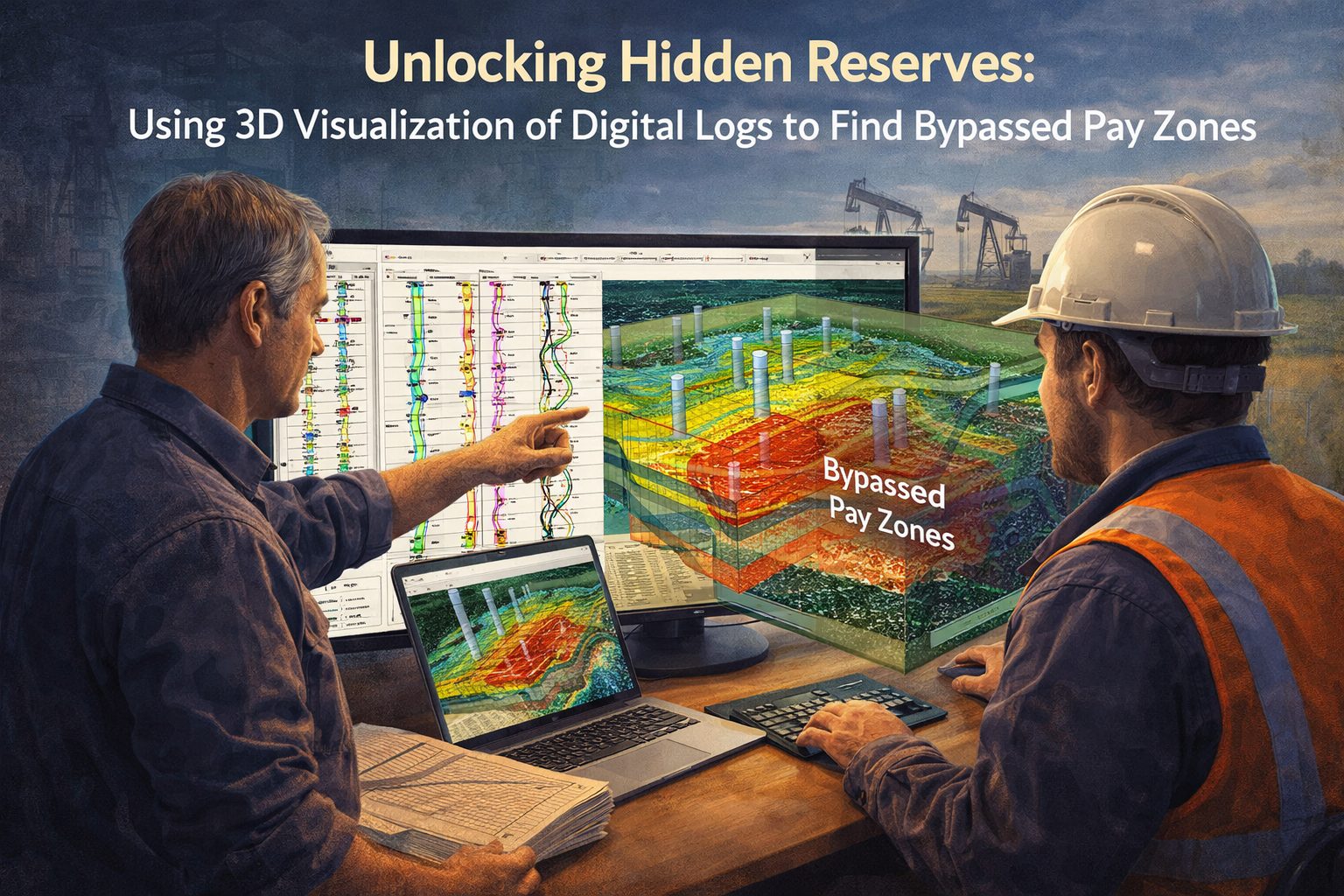
Have you ever considered the immense potential hidden within well logs to discover untapped oil and gas reserves? In today’s energy sector, the effective use of well log digitization combined with advanced 3D visualization techniques can uncover critical data often overlooked in traditional drilling programs. This post explores how digitizing well logs allows for enhanced data analysis, leading to the identification of bypassed pay zones and ultimately maximizing resource recovery. You will gain valuable insights into the processes and technologies that can transform your approach to reservoir management and exploration strategies.
Understanding Well Log Digitization
The oil and gas industry has long relied on well logs—detailed records of geological information collected during drilling operations. However, traditional analog methods can inadvertently leave crucial data unexplored. This is where well log digitization steps in, transforming the landscape of data analysis in energy resource management.
What Is Well Log Digitization?
Well log digitization entails converting analog well log data into a digital format. This shift allows for improved storage, greater accessibility, and a more efficient analysis process. Digital logs permit engineers and geoscientists to visualize and interpret complex data far beyond what was possible in the analog domain.
Importance of Well Log Digitization
Digitizing well logs is essential in the quest to optimize oil and gas recovery. Digital data can be analyzed instantaneously, allowing for quicker, data-driven decision-making regarding drilling operations and techniques. Furthermore, digitized logs can easily integrate into advanced 3D visualization frameworks, facilitating detailed exploration of subsurface formations.
Enhanced Accuracy and Efficiency
The high-resolution digital logs equip companies with tools to refine their geological models significantly. By leveraging this data, exploration teams can promptly identify potential bypassed pay zones that might have otherwise gone unnoticed during initial drilling.
Identifying Bypassed Pay Zones Through 3D Visualization
Once the well logs are digitized, they can be analyzed using state-of-the-art 3D visualization tools. These technologies enable geoscientists to explore geological features in a spherical model and unlock insights into subsurface structures, thus aiding in the identification of overlooked resources.
What are Bypassed Pay Zones?
Bypassed pay zones refer to valuable sections within geological formations that contain hydrocarbon resources, yet were not appropriately targeted during earlier drilling efforts. In many cases, outdated drilling techniques or misinterpretations of geological data result in these resources being left behind. Bringing advanced visualization techniques into the fold allows operators to revisit old perspectives and continuously extract value from existing sites.
How 3D Visualization Works
Integrating 3D visualization in oil and gas exploration synthesizes various data sources—such as seismic data, well log data, and geographic information systems (GIS). Together, these datasets create a detailed model of the subsurface, enabling engineers to:
- Identify Geological Structures: Recognize faults and fractures that could indicate hydrocarbon accumulation.
- Optimize Well Placement: Strategically choose drilling locations to maximize production and minimize expenses.
- Visualize Fluid Movement: Understand fluid migration patterns, which are essential for grasping reservoir dynamics.
Benefits of 3D Visualization for Well Log Analysis
Utilizing 3D visualization techniques offers numerous advantages:
- Improved Collaboration: Facilitates seamless sharing of visual data among geologists, engineers, and decision-makers.
- Cost Efficiency: Clearly identifying bypassed pay zones allows companies to allocate drilling resources more effectively, reducing expenses.
- Risk Mitigation: Enhanced understanding of geological structures minimizes the risks associated with drilling in nonproductive areas.
Best Practices for Implementing Well Log Digitization
Transitioning from traditional logging processes to digital methodologies is a significant step that entails navigating certain considerations:
- Adequate Staff Training: Personnel must be trained to efficiently use new software and embrace a digital-first mindset.
- Investment in Cutting-Edge Technology: Select software and tools that align closely with specific operational needs and challenges.
- Fostering a Data-Driven Culture: Encourage widespread adoption of data-driven decision-making across the entire organization.
The Future of Well Log Digitization and 3D Visualization
With ongoing technological advances, the future of well log digitization and 3D visualization seems promising.
- Artificial Intelligence Integration: Utilizing AI can accelerate the extraction of insights from large datasets, transforming how bypassed pay zones are identified.
- Enhanced Modeling Accuracy: Leveraging machine learning algorithms will improve the precision of 3D models, leading to deeper insights about subsurface geology.
Unlocking the Potential of Bypassed Pay Zones
In essence, the merging of well log digitization with 3D visualization tools is poised to revolutionize oil and gas exploration. Companies that effectively harness these technologies will enjoy a substantial advantage in resource recovery while minimizing costs. So now what? Take a moment to reevaluate your existing data and practices. Consider adopting or enhancing your company’s digitization methods and deploying visualization techniques to uncover hidden reserves waiting to be tapped.
[Learn more about our Well Log Digitization Services](Your Link Here) and start maximizing the potential your data holds!
Learn more about our Data Solutions
- Geophysical and well log digitization
- Seismic section digitization
- Map digitization
- Core photo splicing
- Scout ticket digitization
Related Articles
- Data Digitization and Management Solutions for Geoscience and Engineering
- Quality Control and Validation in Geophysical Well Log Digitization
- Scanning and Structuring Historical Borehole Logs for Digital Analysis
- Extracting Gamma Ray, Resistivity, and Sonic Data from Vintage Well Logs
- From Weeks To Seconds: How Digitized Well Logs Accelerate Reservoir Rock Mapping
- How to View, Compare, and Summarize LAS Files for Free with GAEA Technologies
- Mastering the Code: A Guide to Common Geophysical Curve Abbreviations
- Unlocking Hidden Reserves: Using 3D Visualization of Digital Logs to Find Bypassed Pay Zones
- Why Physical Well Logs Are a Ticking Time Bomb: Preventing Data Loss from Paper Deterioration
- 5 Steps To Convert Your Archive Into An AI-Ready Geospatial Pipeline
- Uncovering the Untapped Potential of Old Well Logs in Carbon Capture and Geothermal Projects
- LAS vs. LIS vs. DLIS: A Geoscientist’s Guide to Digital Well Log Output Formats
- LAS, SEGY, and Beyond: Ensuring Interoperability For Your Newly Digitized Assets
- The Lifecycle of a Well Log: From Mud Logging to Digital Asset
- Asset Preservation: Protecting Your Subsurface Intellectual Property from Physical Deterioration
- The Origin of the LAS Format for Well Logs