POLLUTE and MIGRATE Research Reports

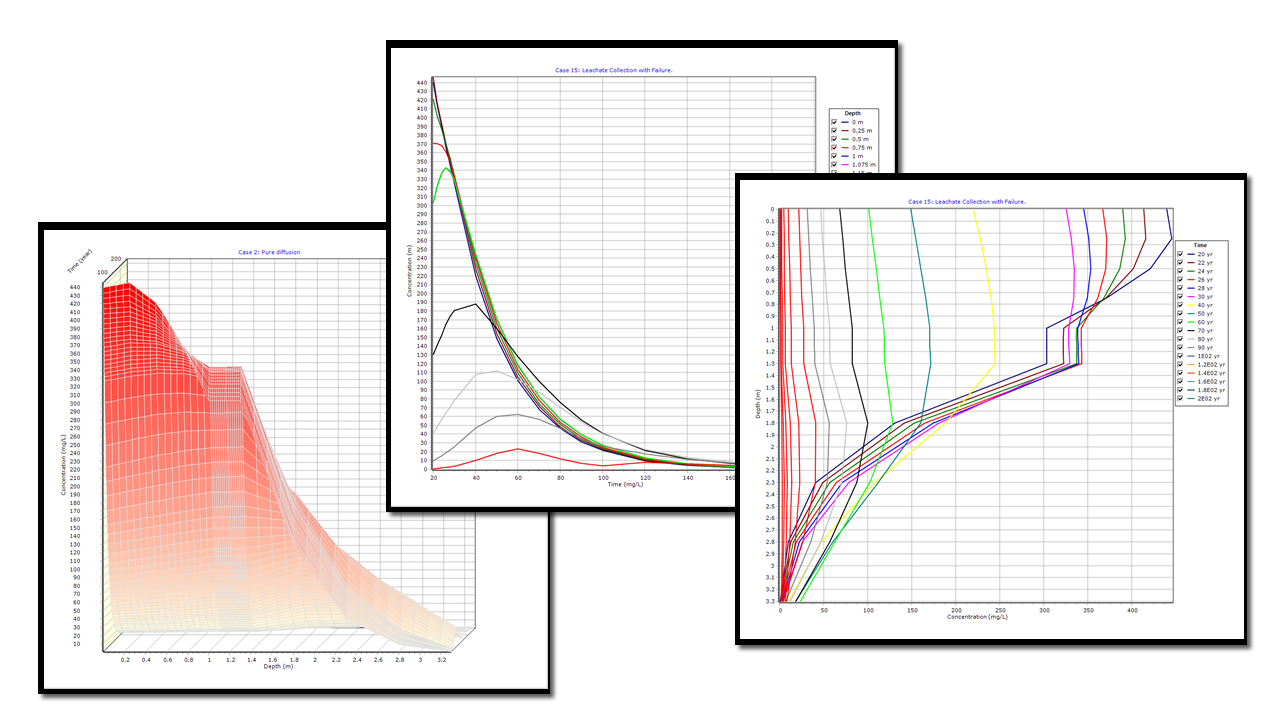
Montage of POLLUTE and MIGRATE contaminant modeling research and result displays
26 Technical Reports

Trace the Research behind POLLUTE and MIGRATE

Access the transport theory, laboratory studies, liner research and applied assessments that support defensible contaminant modeling.

The catalogue brings the existing report collection into one searchable page with direct PDF links and subject filters for engineers, reviewers, researchers and students.

26 ReportsDirect PDF access
Transport Theory1D, 2D and 3D foundations
Barrier ResearchLiners and collection systems
Applied EvidenceParameters and assessment
Research Library

Find a Report by Technical Subject

Filter by research area or search for a process, material, parameter or application. Every card opens the original PDF in a new window.

Showing 26 reports

1D Pollutant Migration research report illustration
Theory & Modeling1D transport

1D Pollutant Migration

Foundational documentation for one-dimensional contaminant migration through subsurface materials.

View or download PDF
3D Pollutant Migration research report illustration
Theory & Modeling3D transport

3D Pollutant Migration

Research addressing pollutant transport and spatial behavior in three dimensions.

View or download PDF
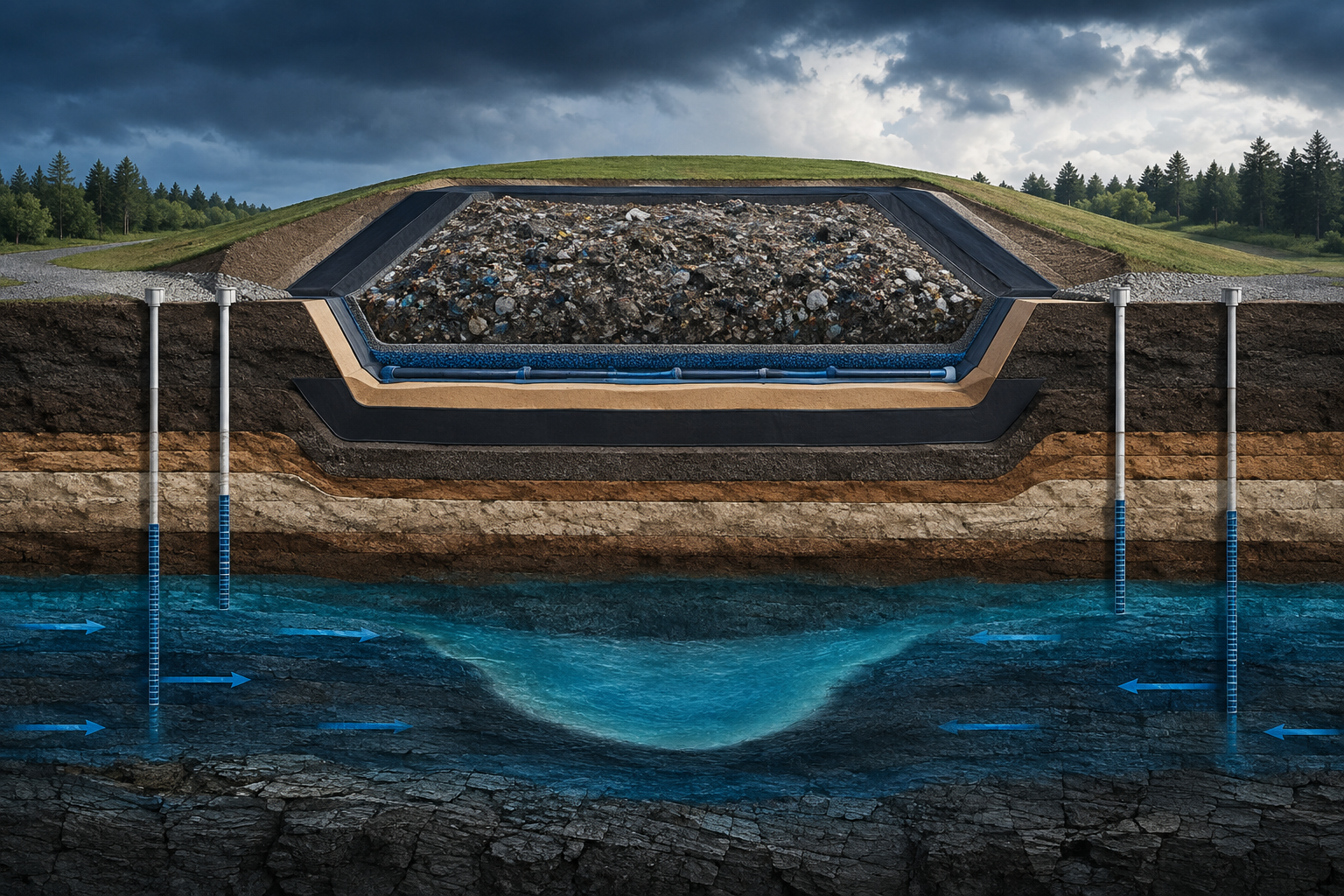
Analysis of Containment and Transport research report illustration
Liners & BarriersContainment

Analysis of Containment and Transport

Technical analysis connecting contaminant containment systems with subsurface transport.

View or download PDF
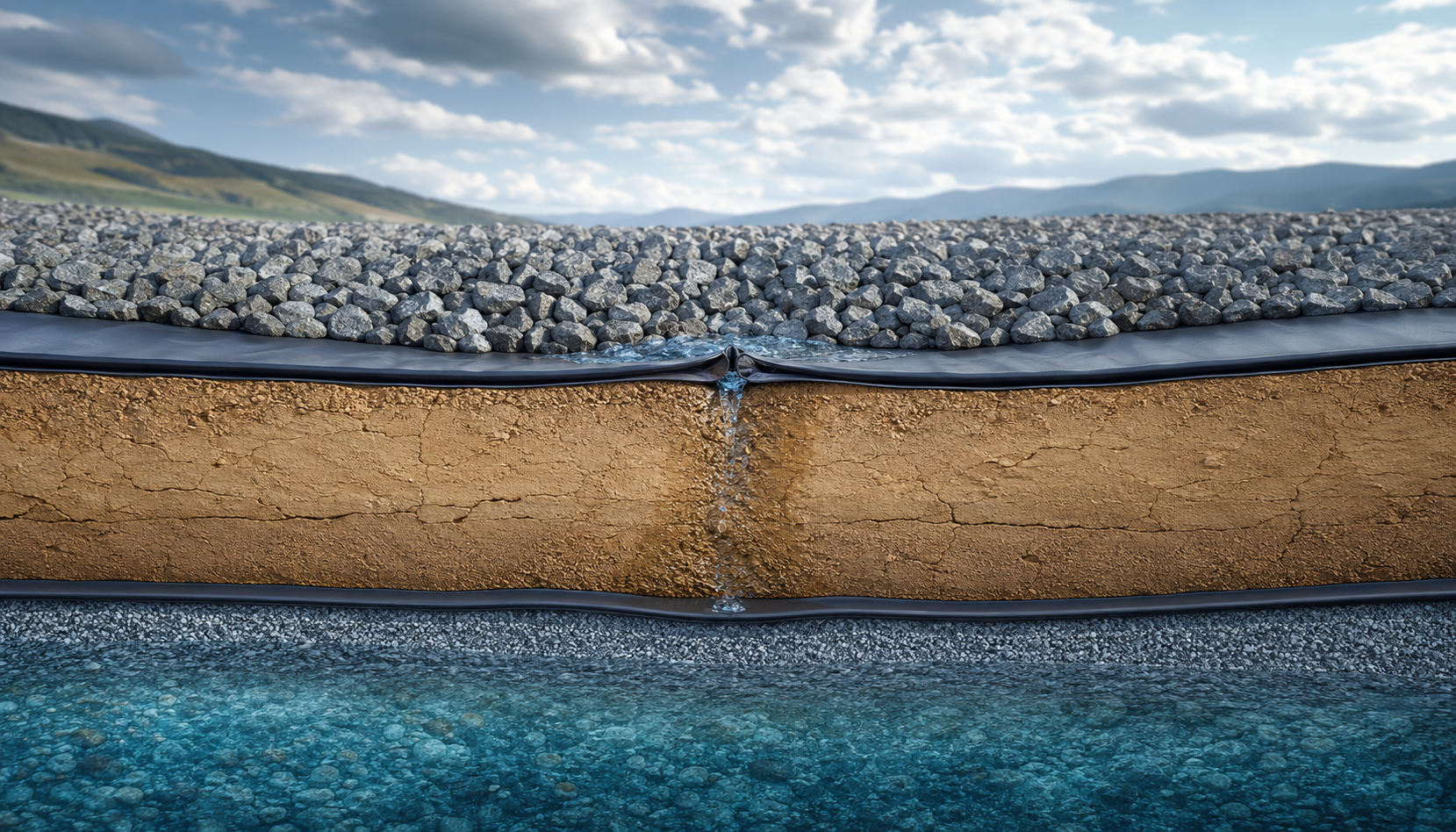
Calculating Leakage through Composite Liners research report illustration
Liners & BarriersComposite liners

Calculating Leakage through Composite Liners

Methods for estimating leakage through composite landfill liner systems.

View or download PDF
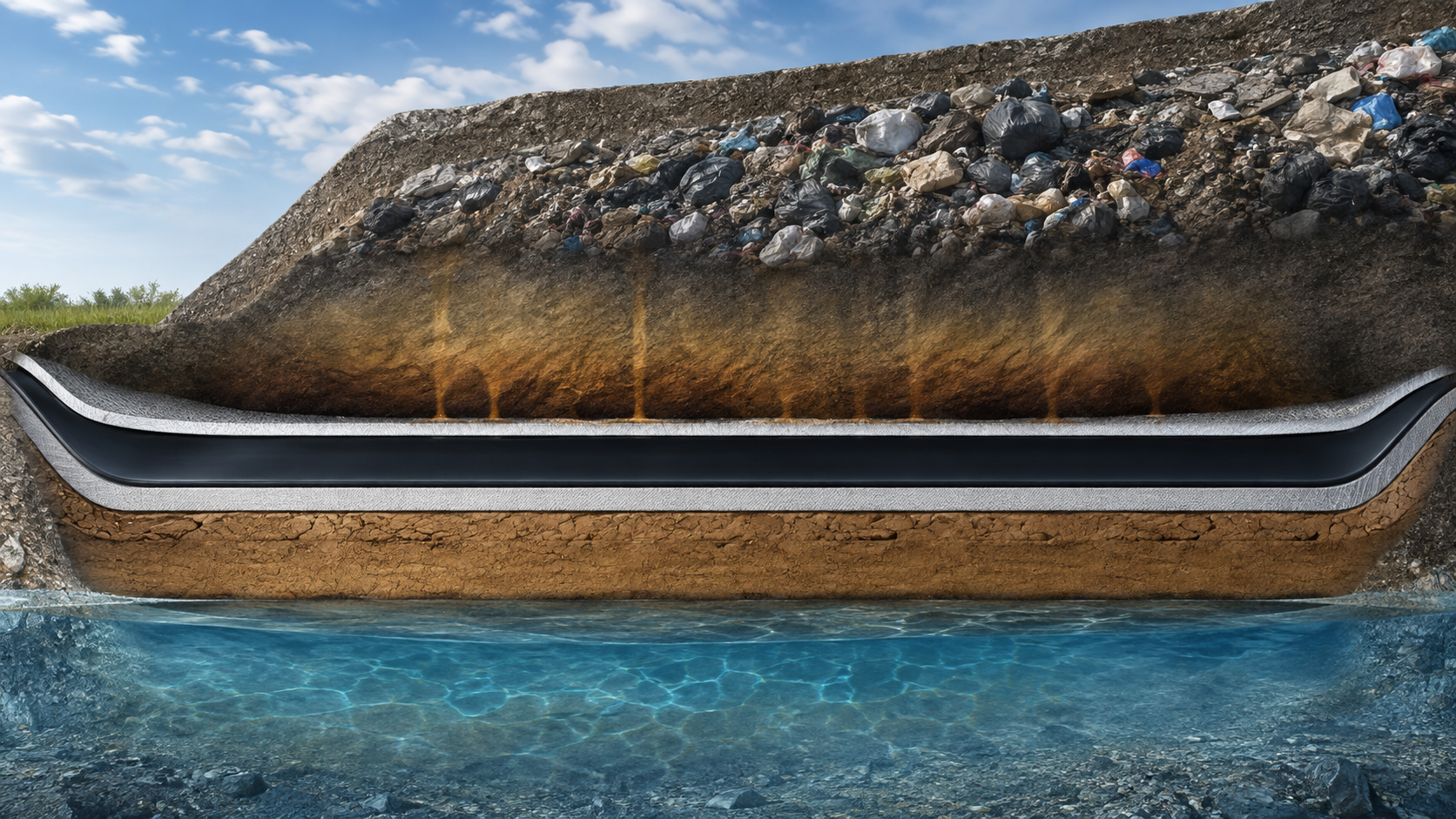
Composite Liners as Barriers research report illustration
Liners & BarriersBarrier performance

Composite Liners as Barriers

Evaluation of composite liner behavior as a contaminant barrier.

View or download PDF
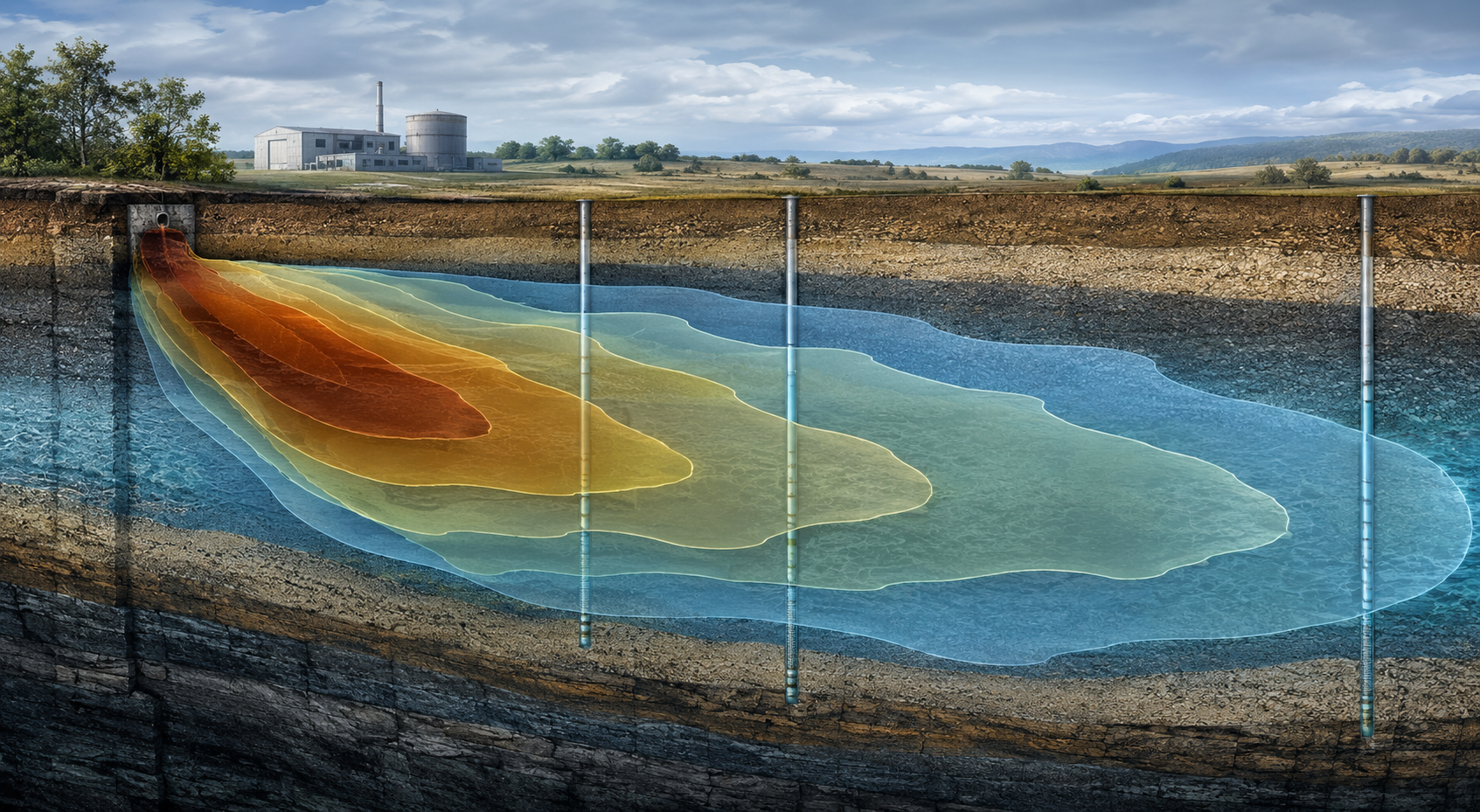
Consideration of Uncertainty research report illustration
Assessment & UncertaintyUncertainty

Consideration of Uncertainty

Guidance on incorporating parameter and model uncertainty into contaminant-impact analysis.

View or download PDF
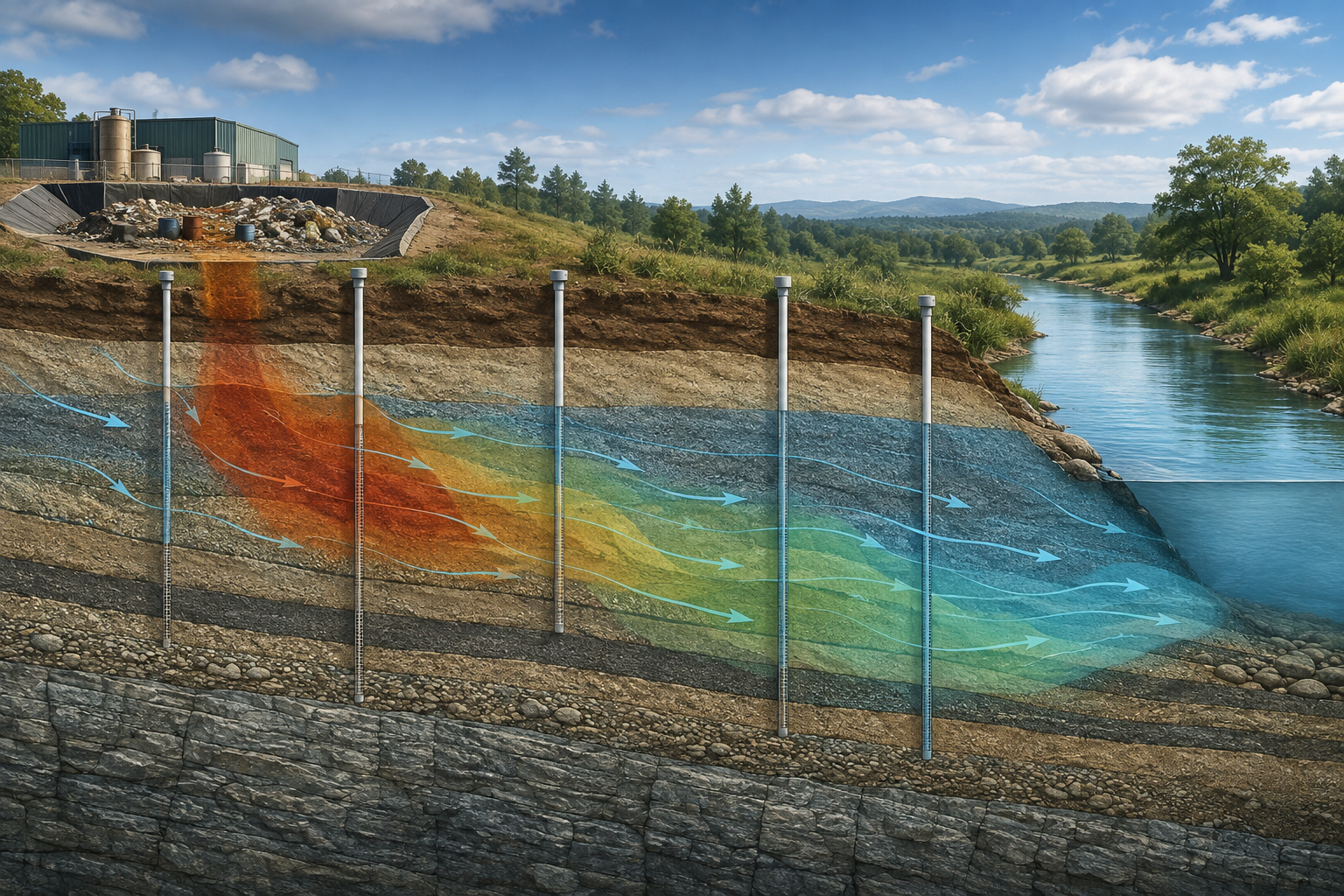
Contaminant Impact Assessment research report illustration
Assessment & UncertaintyImpact assessment

Contaminant Impact Assessment

Research methods for evaluating predicted contaminant impacts at environmental receptors.

View or download PDF
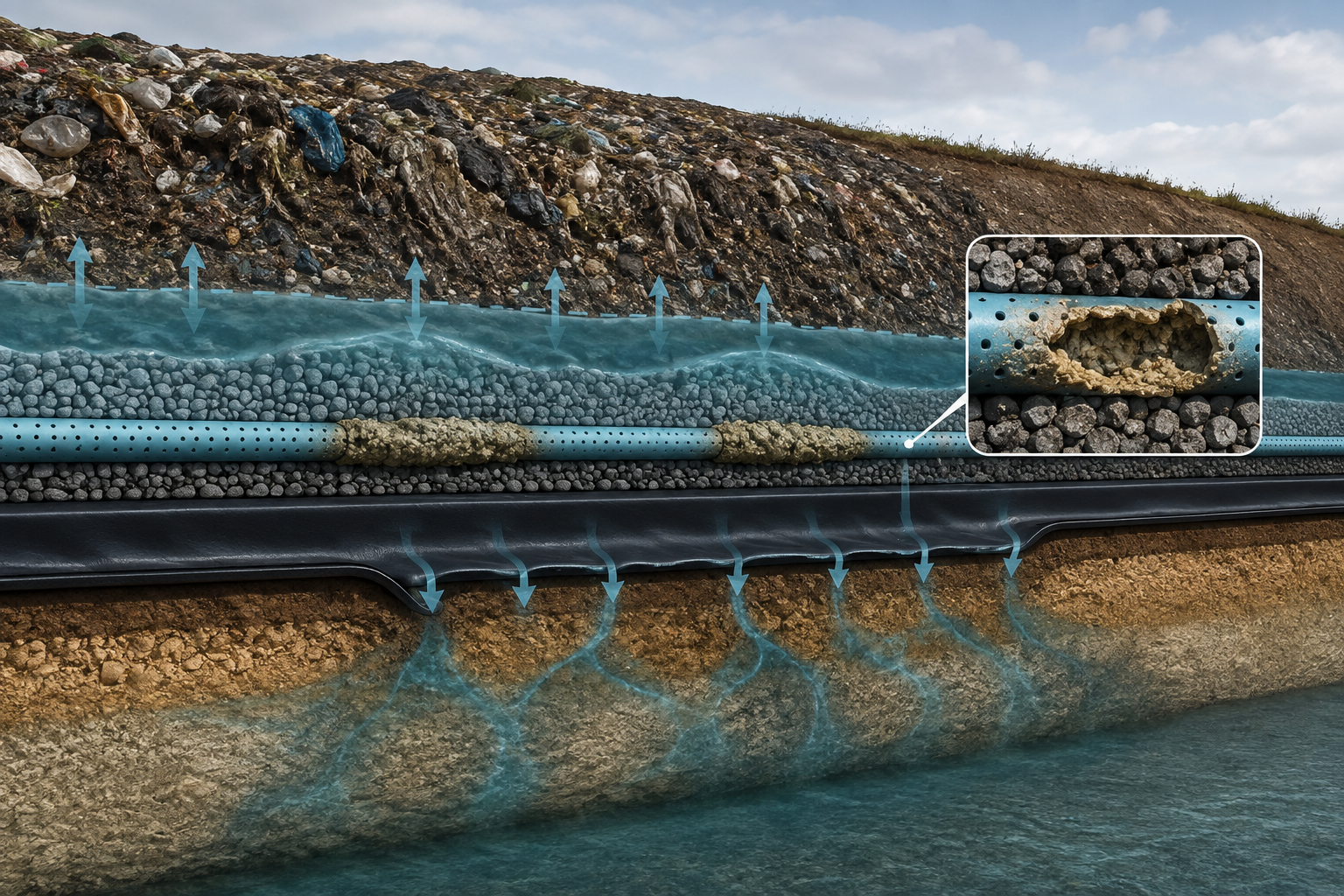
Contaminant Impact Due to Clogging research report illustration
Liners & BarriersCollection systems

Contaminant Impact Due to Clogging

Assessment of how collection-system clogging can change long-term contaminant migration.

View or download PDF
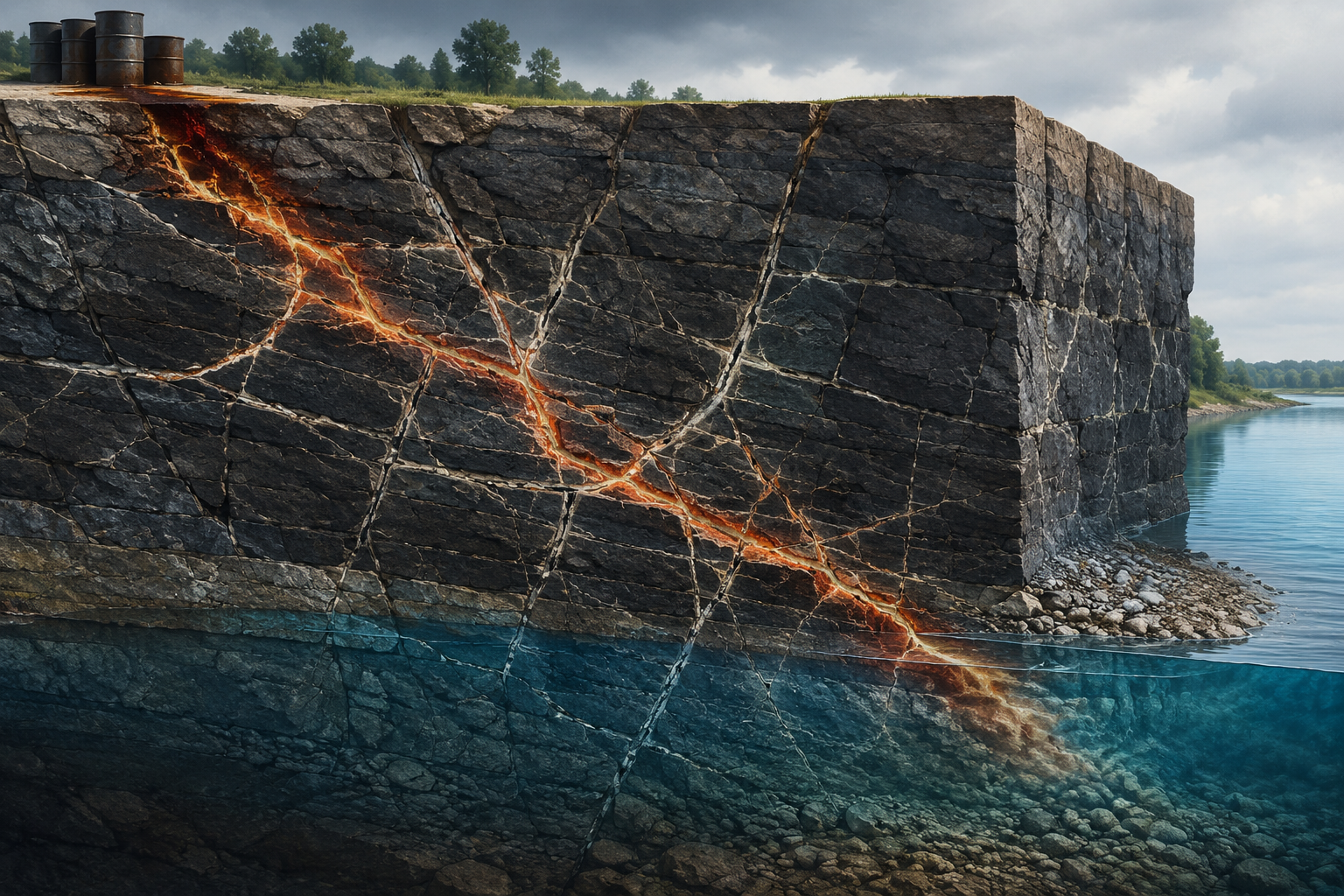
Contaminant Migration in a Fracture Network research report illustration
Fractured MediaFracture networks

Contaminant Migration in a Fracture Network

Transport through connected fractures and preferential subsurface pathways.

View or download PDF
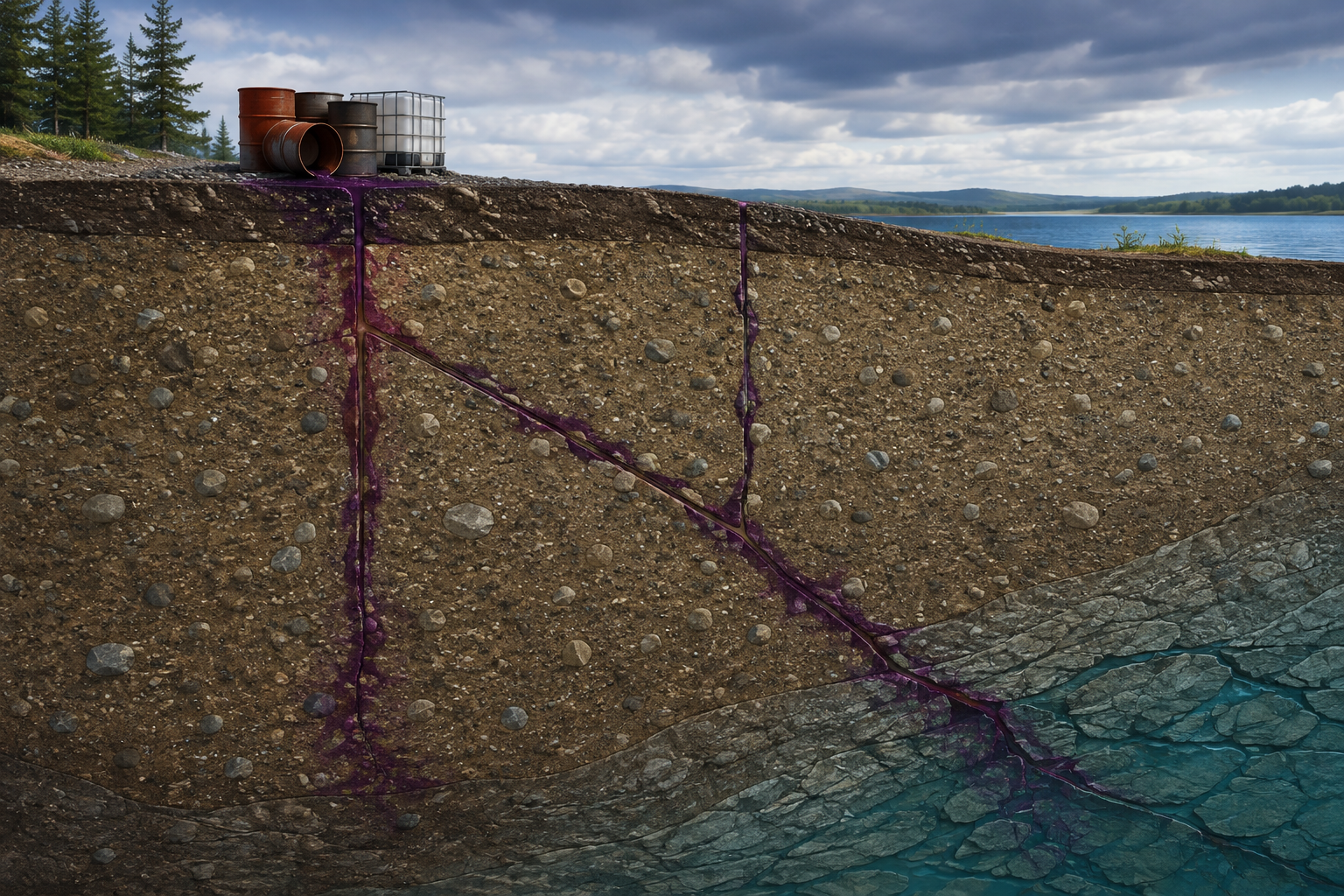
Contaminant Migration through Fractured Till research report illustration
Fractured MediaFractured till

Contaminant Migration through Fractured Till

Analysis of contaminant movement through fractured glacial till.

View or download PDF
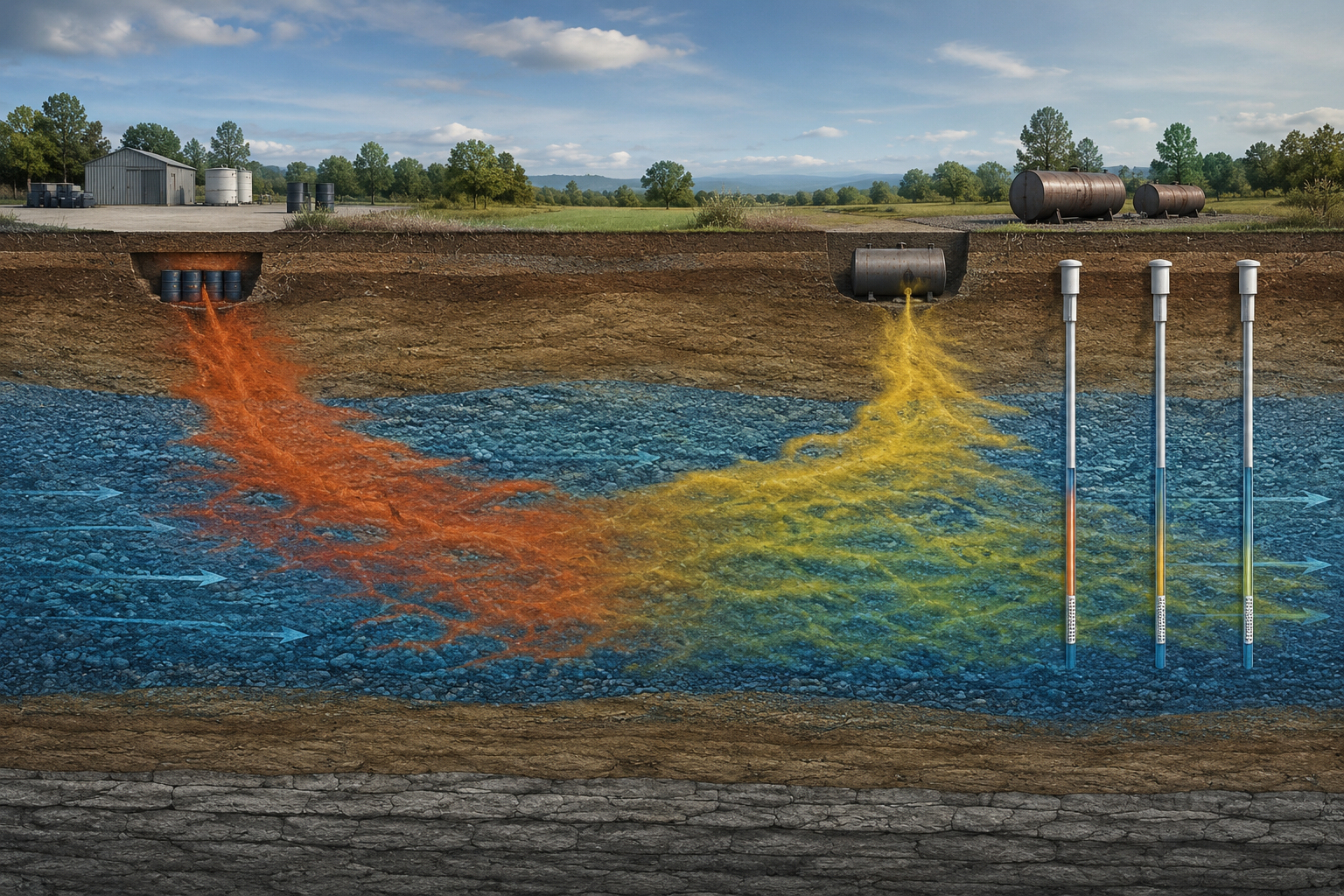
Effect of Multiple Sources on Contaminant Migration research report illustration
Assessment & UncertaintyMultiple sources

Effect of Multiple Sources on Contaminant Migration

Research on interacting releases and the combined migration of contaminants.

View or download PDF
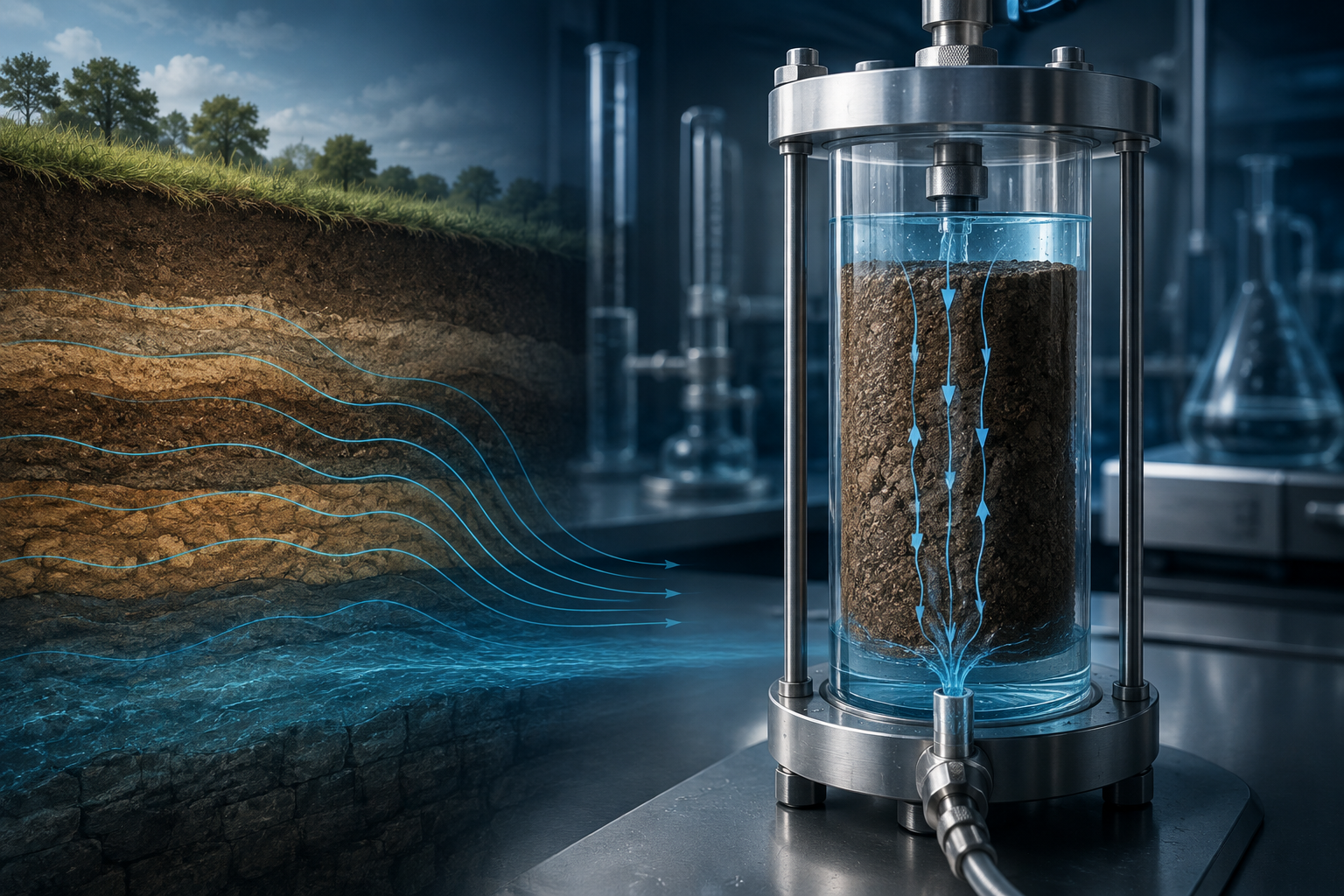
Evaluation of Hydraulic Conductivity research report illustration
Laboratory & ParametersHydraulic properties

Evaluation of Hydraulic Conductivity

Technical evaluation of hydraulic conductivity used in barrier and transport assessment.

View or download PDF
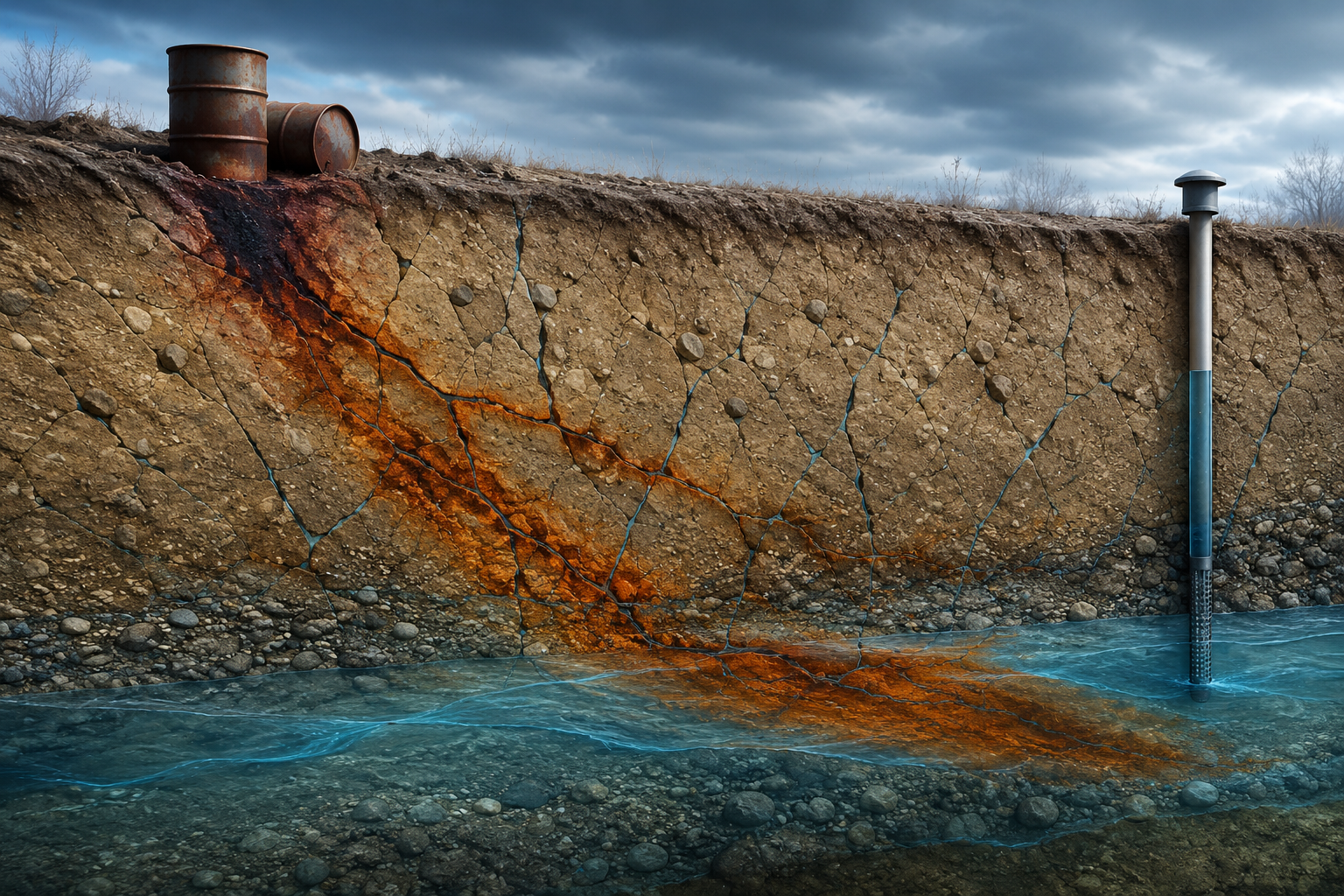
Fractured Till Contaminant Impact research report illustration
Fractured MediaImpact analysis

Fractured Till Contaminant Impact

Assessment of receptor impacts associated with transport through fractured till.

View or download PDF
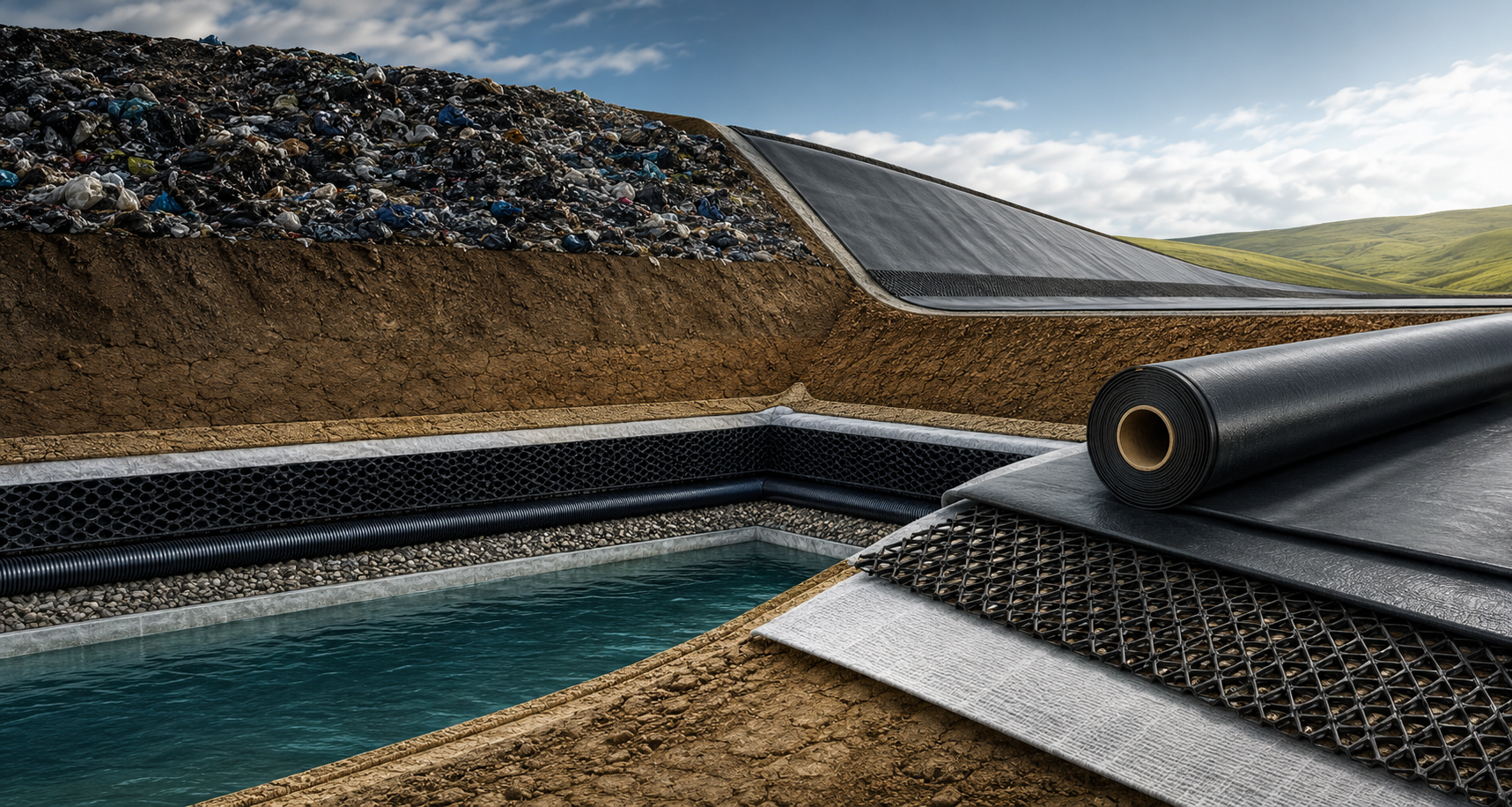
Geosynthetics in Waste Containment research report illustration
Liners & BarriersGeosynthetics

Geosynthetics in Waste Containment

Use and performance of geosynthetic components in waste-containment systems.

View or download PDF
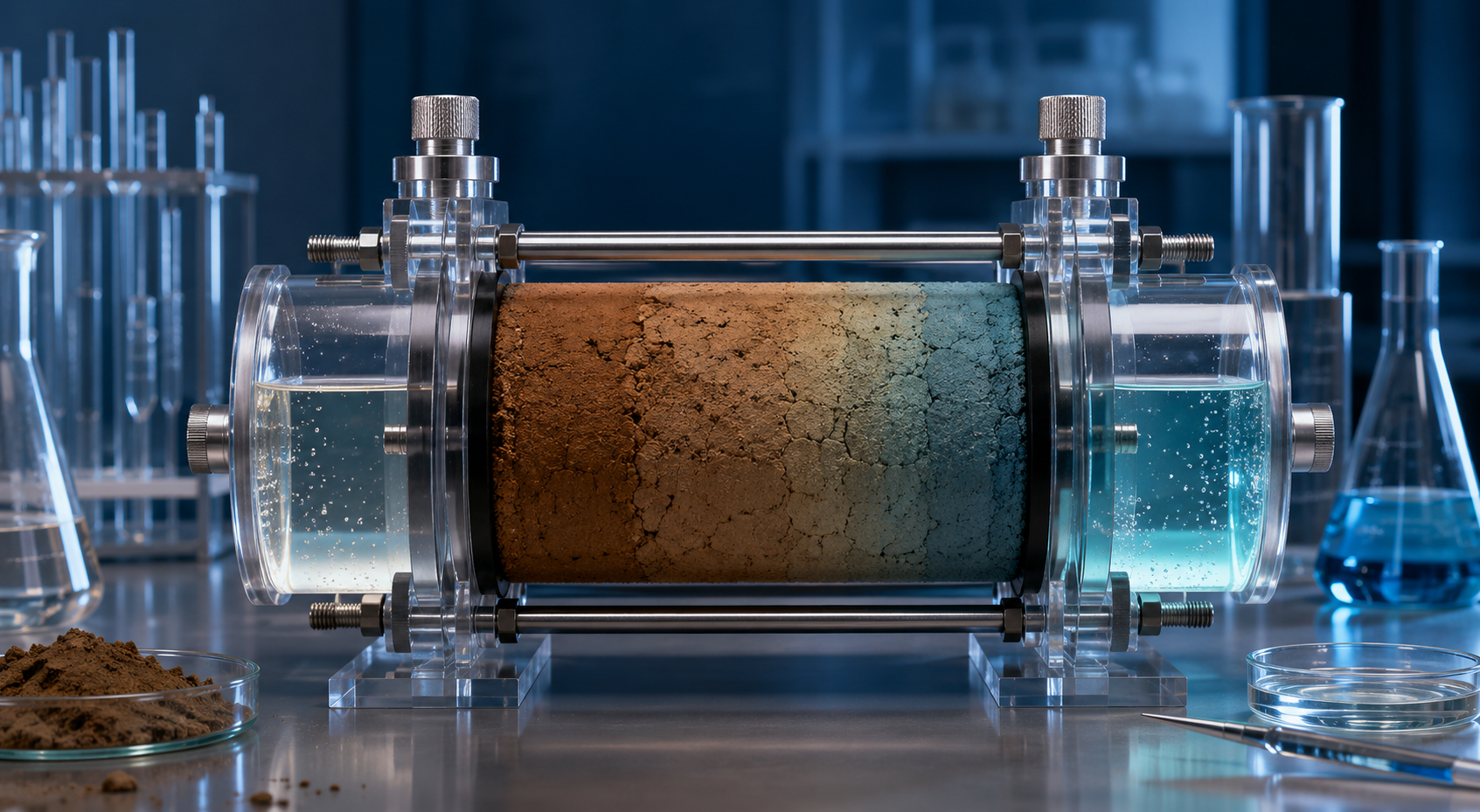
Laboratory Determination of Chloride Diffusion research report illustration
Laboratory & ParametersDiffusion testing

Laboratory Determination of Chloride Diffusion

Laboratory methods for determining chloride diffusion parameters in low-permeability material.

View or download PDF
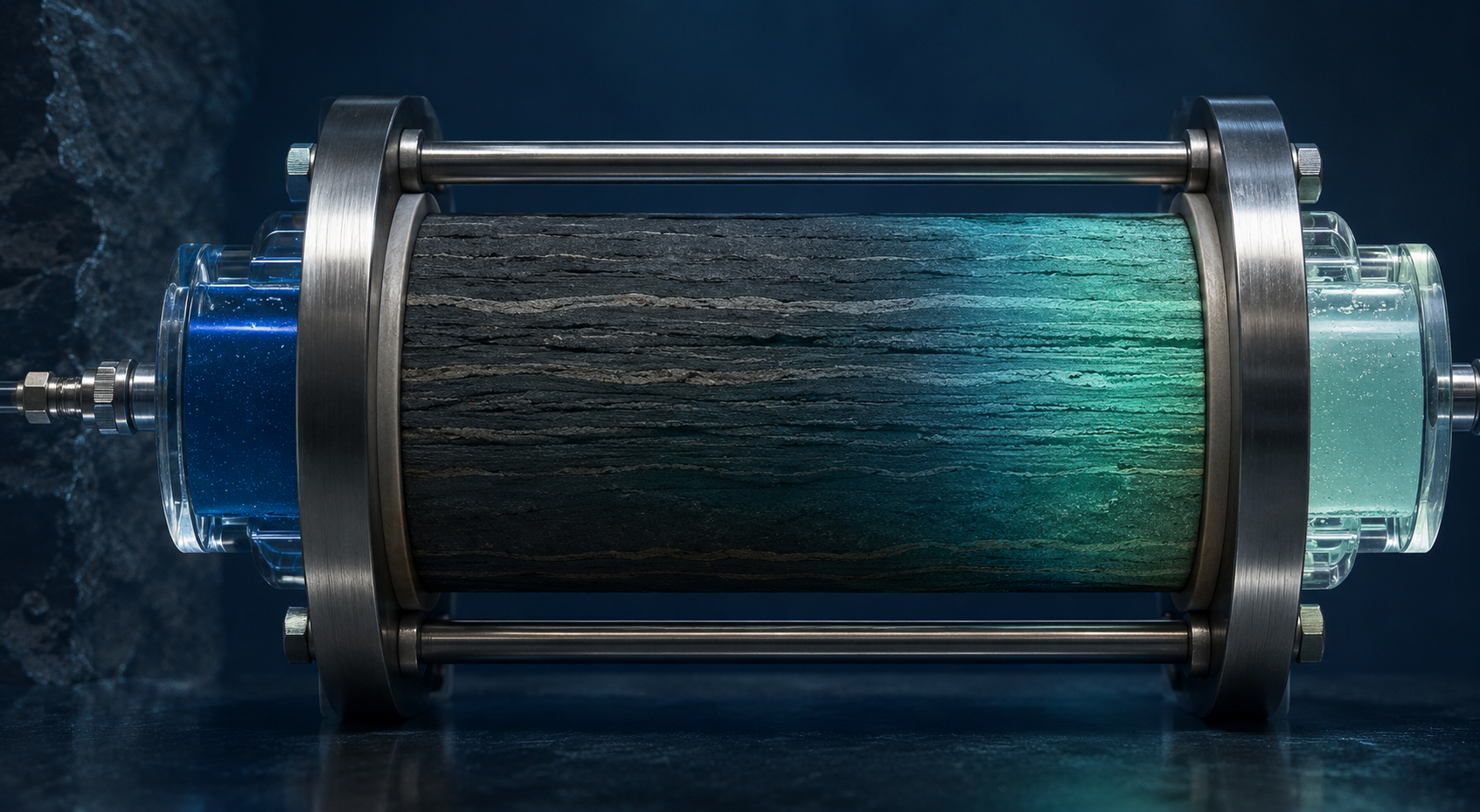
Laboratory Determination of Chloride Diffusion in Intact Shale research report illustration
Laboratory & ParametersIntact shale

Laboratory Determination of Chloride Diffusion in Intact Shale

Laboratory characterization of chloride diffusion through intact shale.

View or download PDF
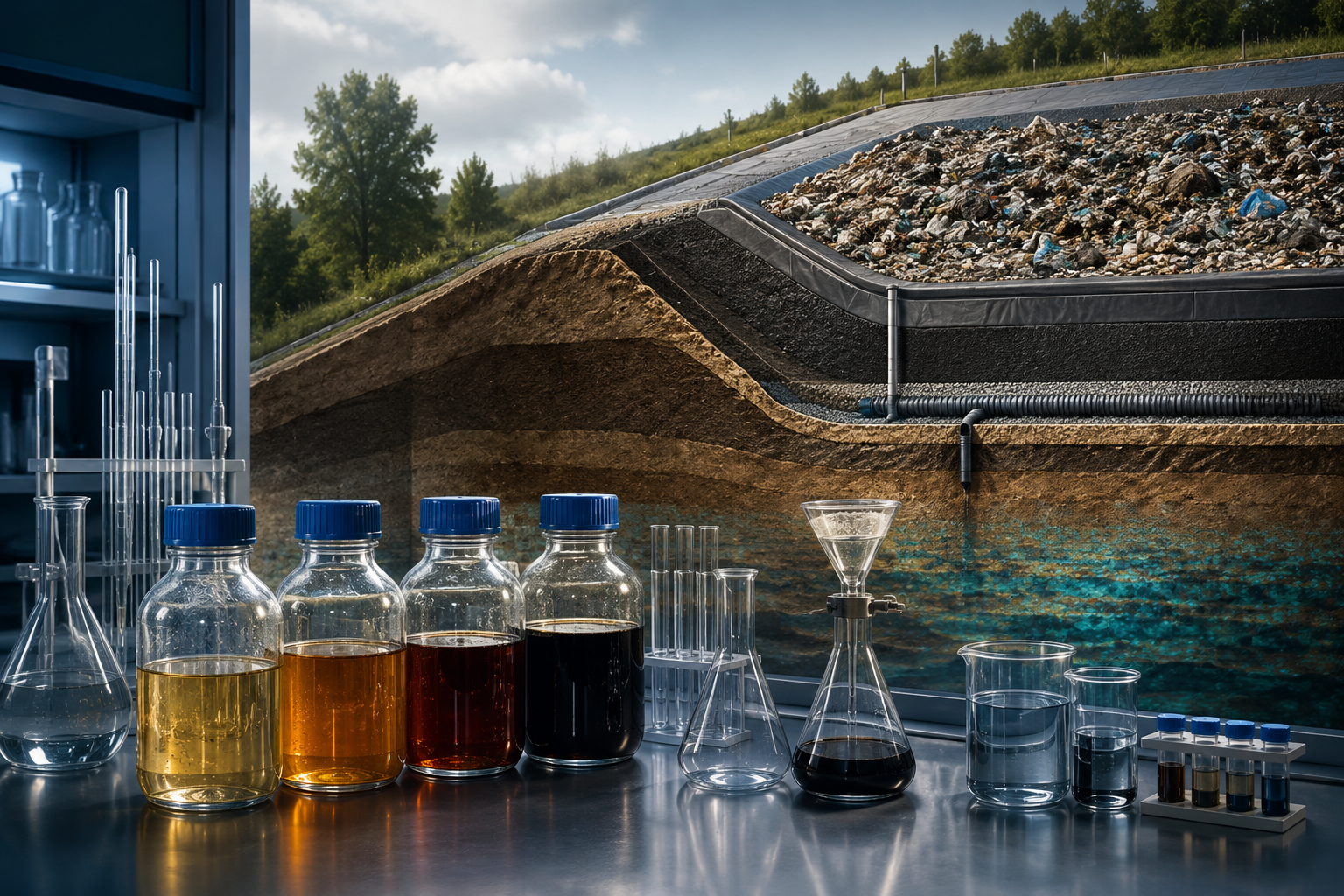
Leachate Characteristics for Contaminant Modeling research report illustration
Laboratory & ParametersSource data

Leachate Characteristics for Contaminant Modeling

Leachate composition and characteristics relevant to source definition and transport analysis.

View or download PDF
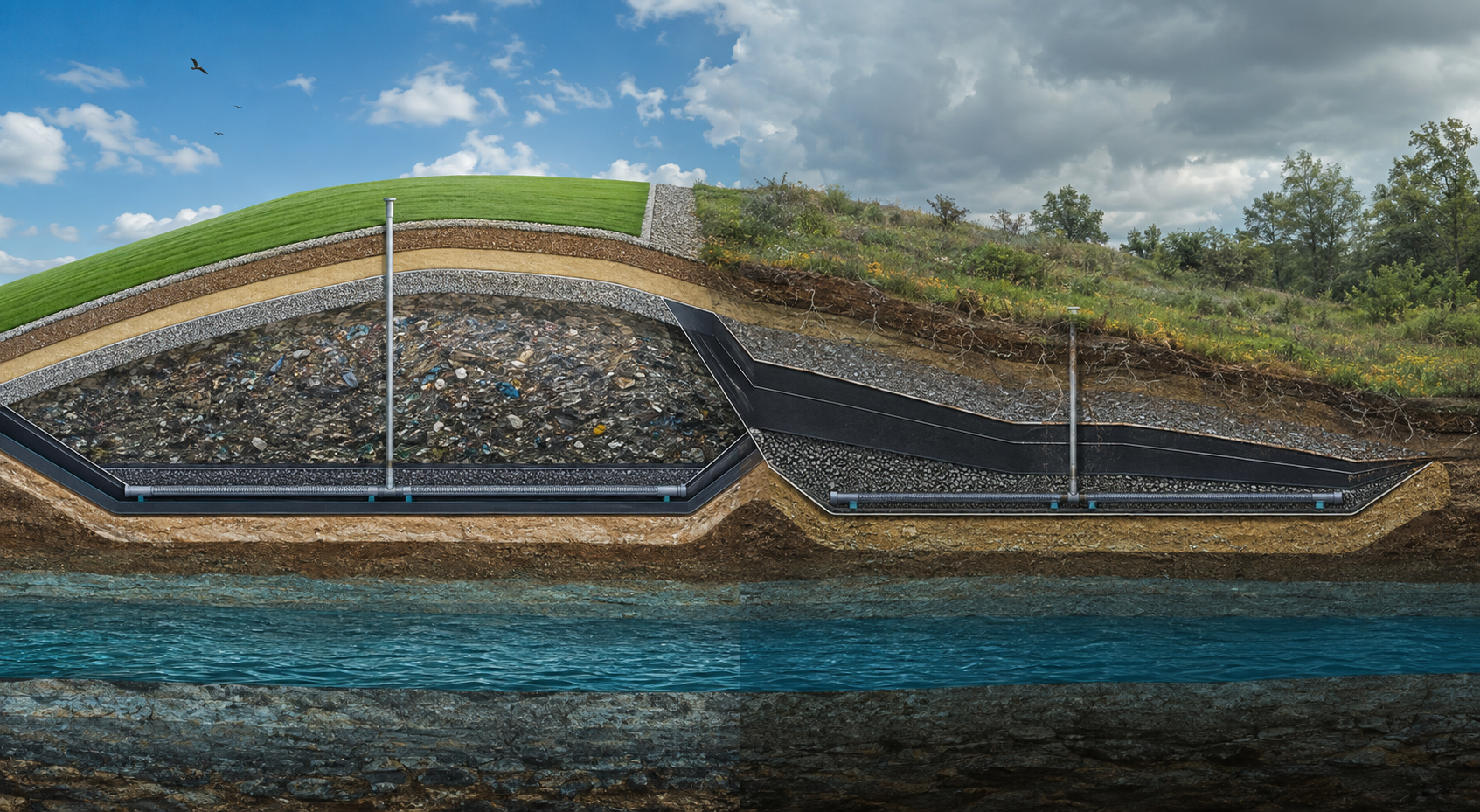
Long-Term Performance of Contaminant Barrier Systems research report illustration
Liners & BarriersLong-term performance

Long-Term Performance of Contaminant Barrier Systems

Comprehensive review of long-term liner, collection-system and barrier performance.

View or download PDF
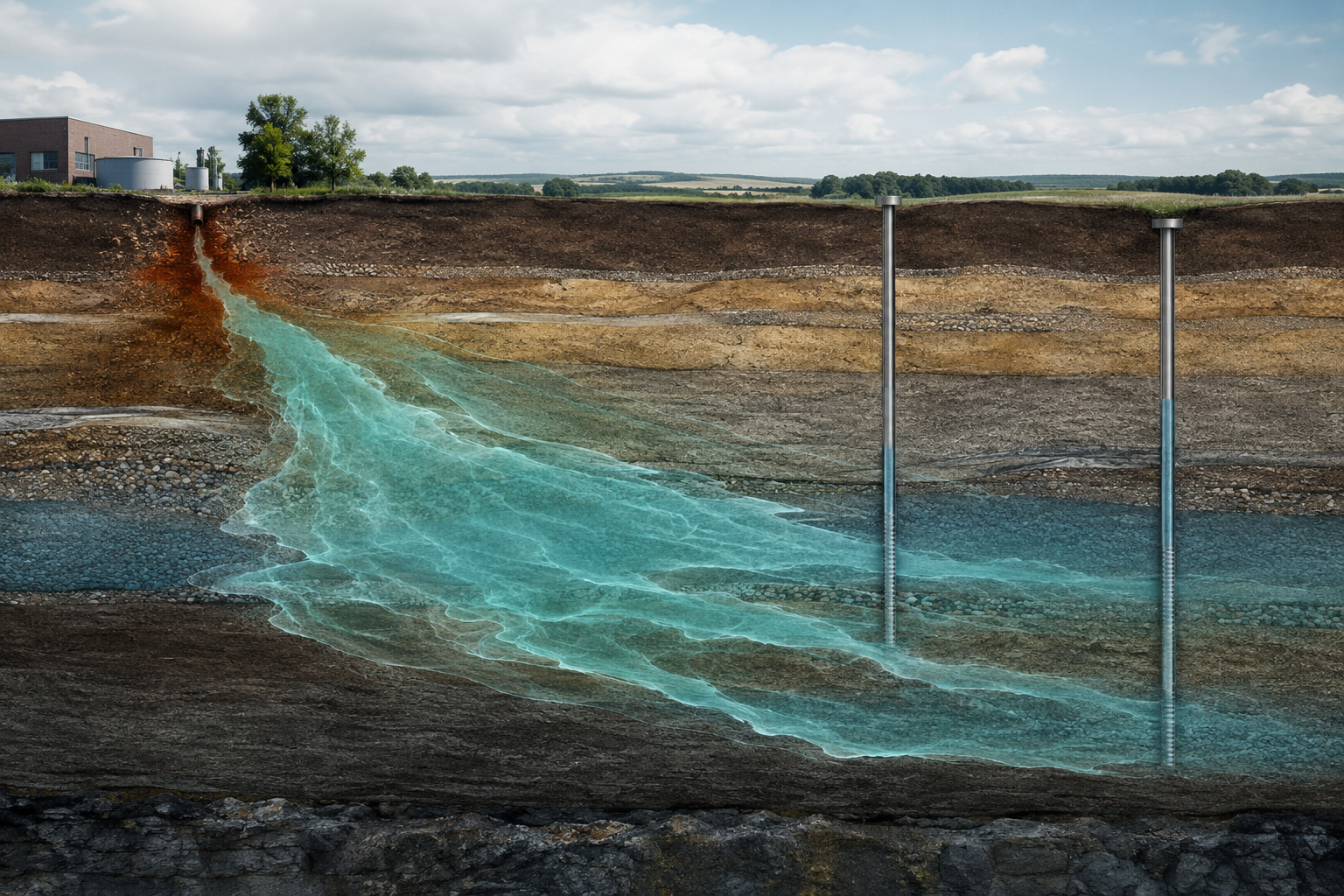
Modelling of 2D Contaminant Migration research report illustration
Theory & Modeling2D modeling

Modelling of 2D Contaminant Migration

Theory and application of two-dimensional contaminant migration modeling.

View or download PDF
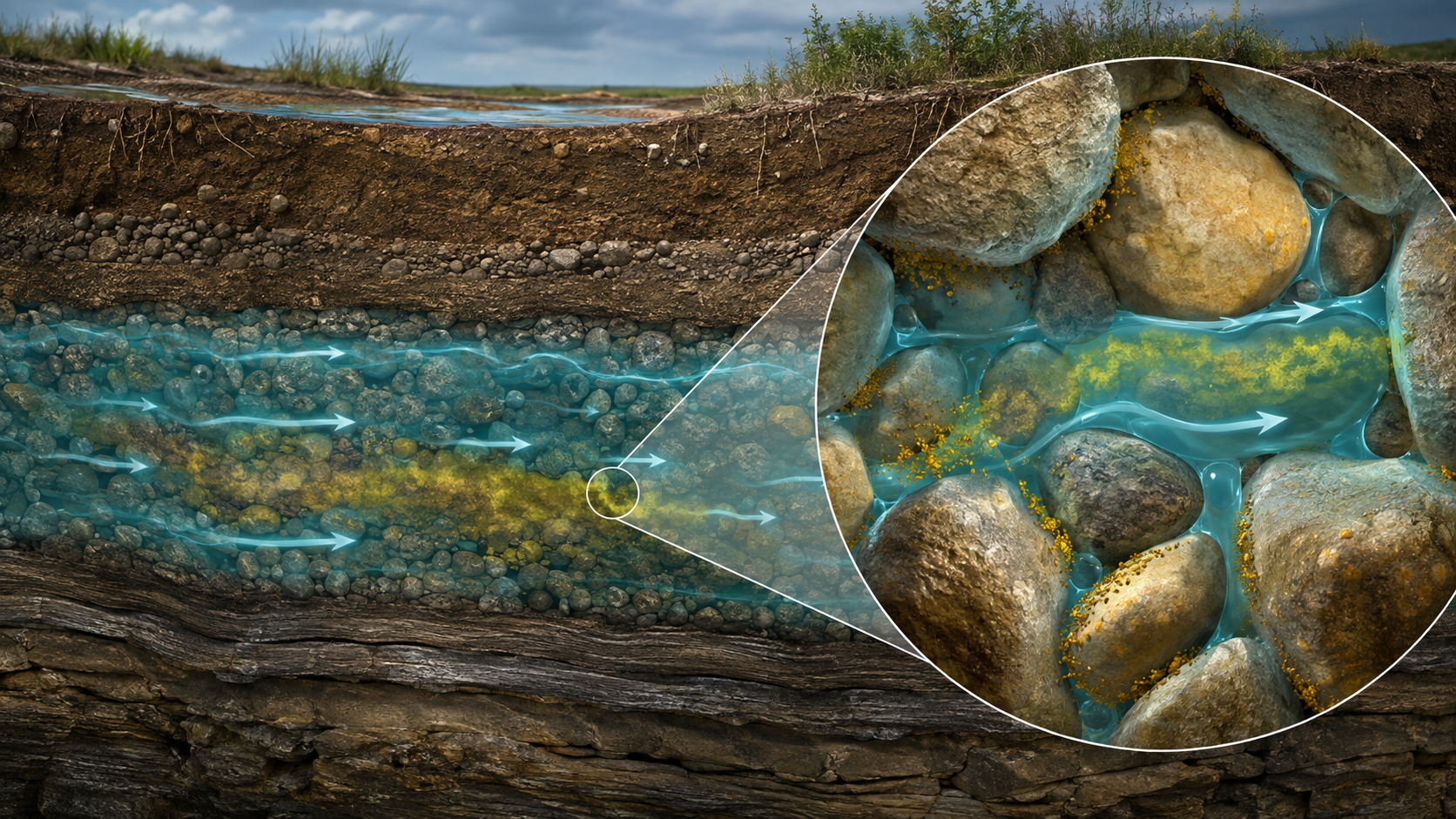
Movement of Pollutants through the Subsurface research report illustration
Theory & ModelingTransport processes

Movement of Pollutants through the Subsurface

Background theory describing pollutant transport mechanisms and behavior.

View or download PDF
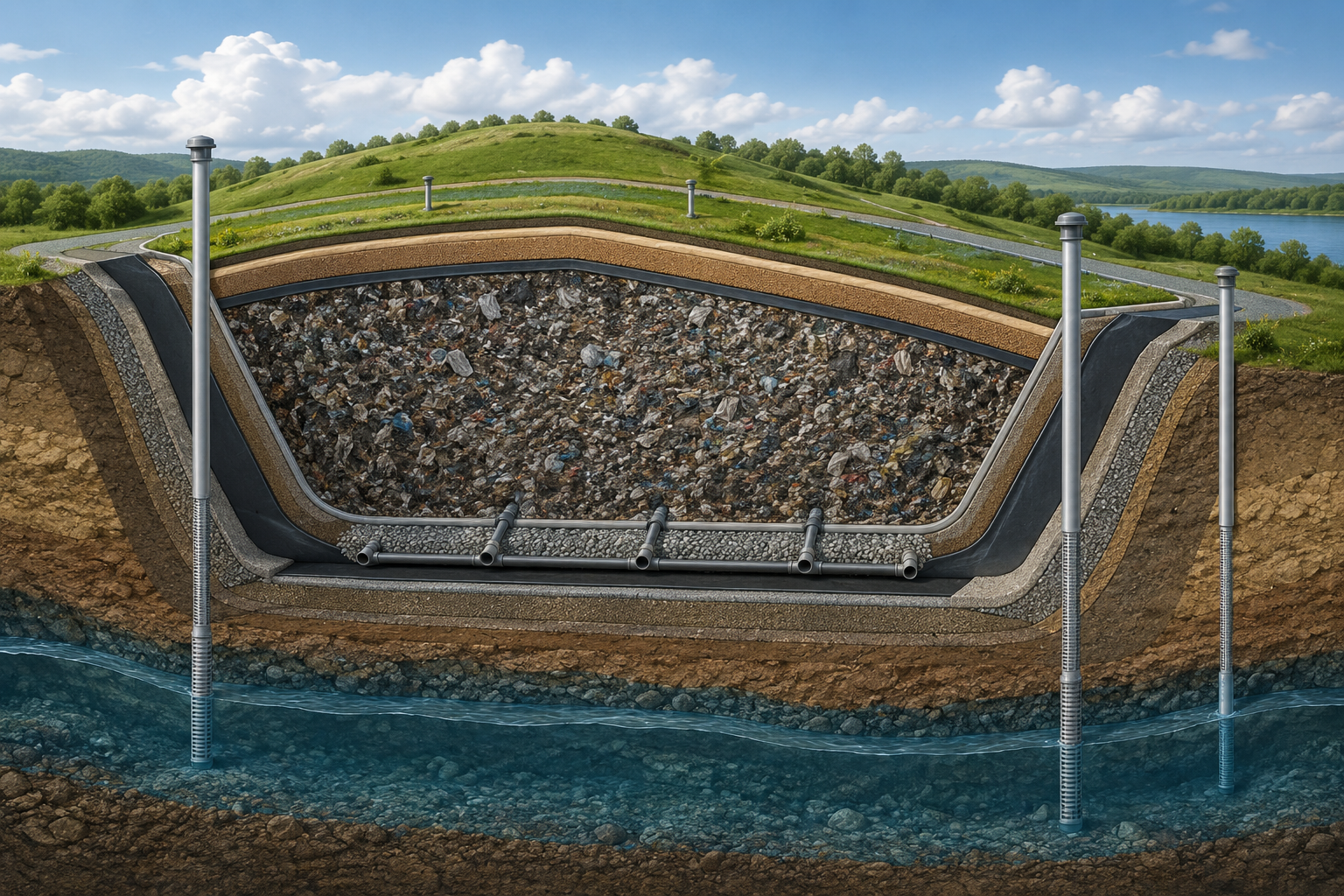
Municipal Solid Waste Landfilling research report illustration
Assessment & UncertaintyLandfill assessment

Municipal Solid Waste Landfilling

Research context for municipal solid-waste landfill design and environmental performance.

View or download PDF
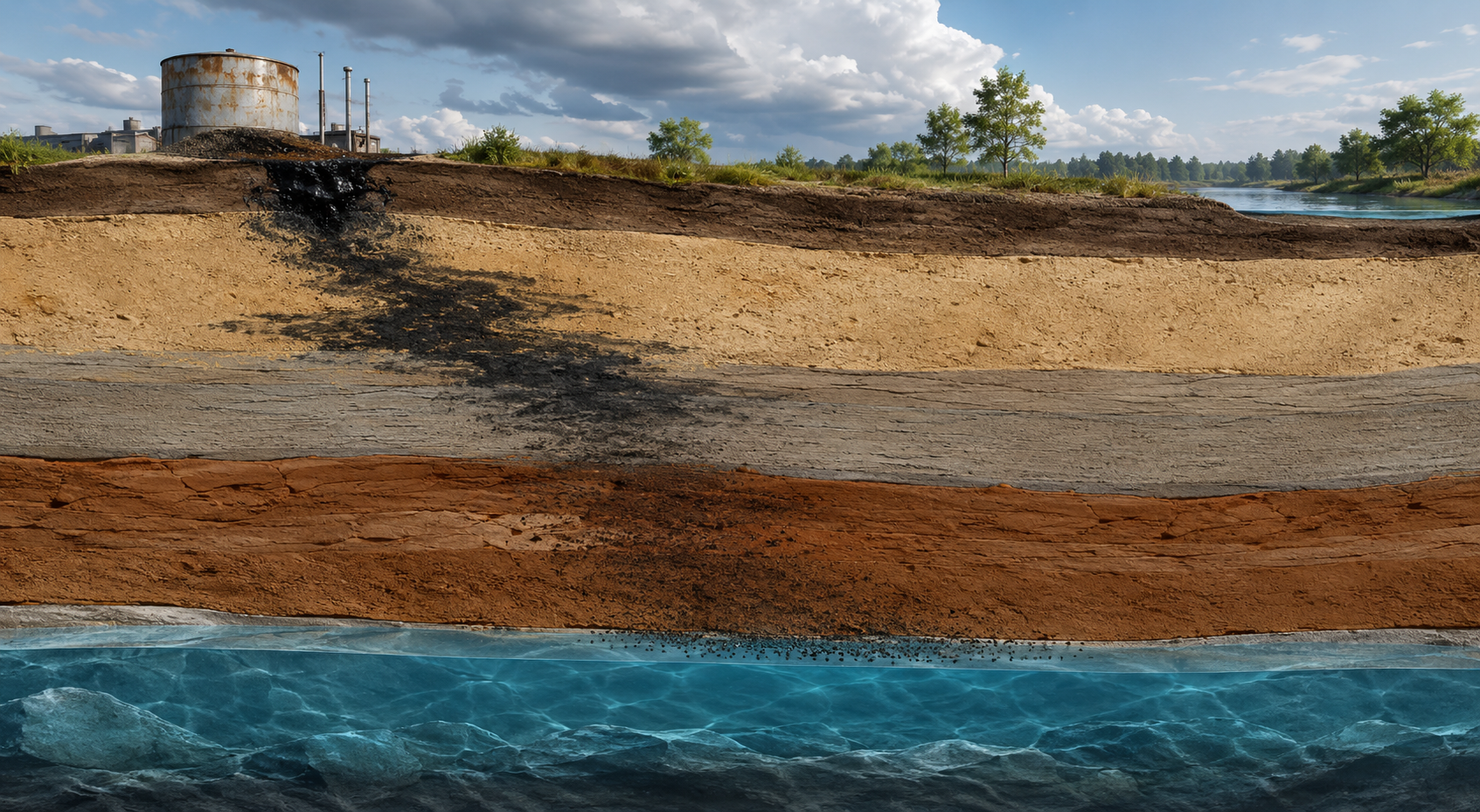
Pollutant Migration through Soil research report illustration
Theory & ModelingSoil transport

Pollutant Migration through Soil

Technical background on pollutant migration through porous soil materials.

View or download PDF
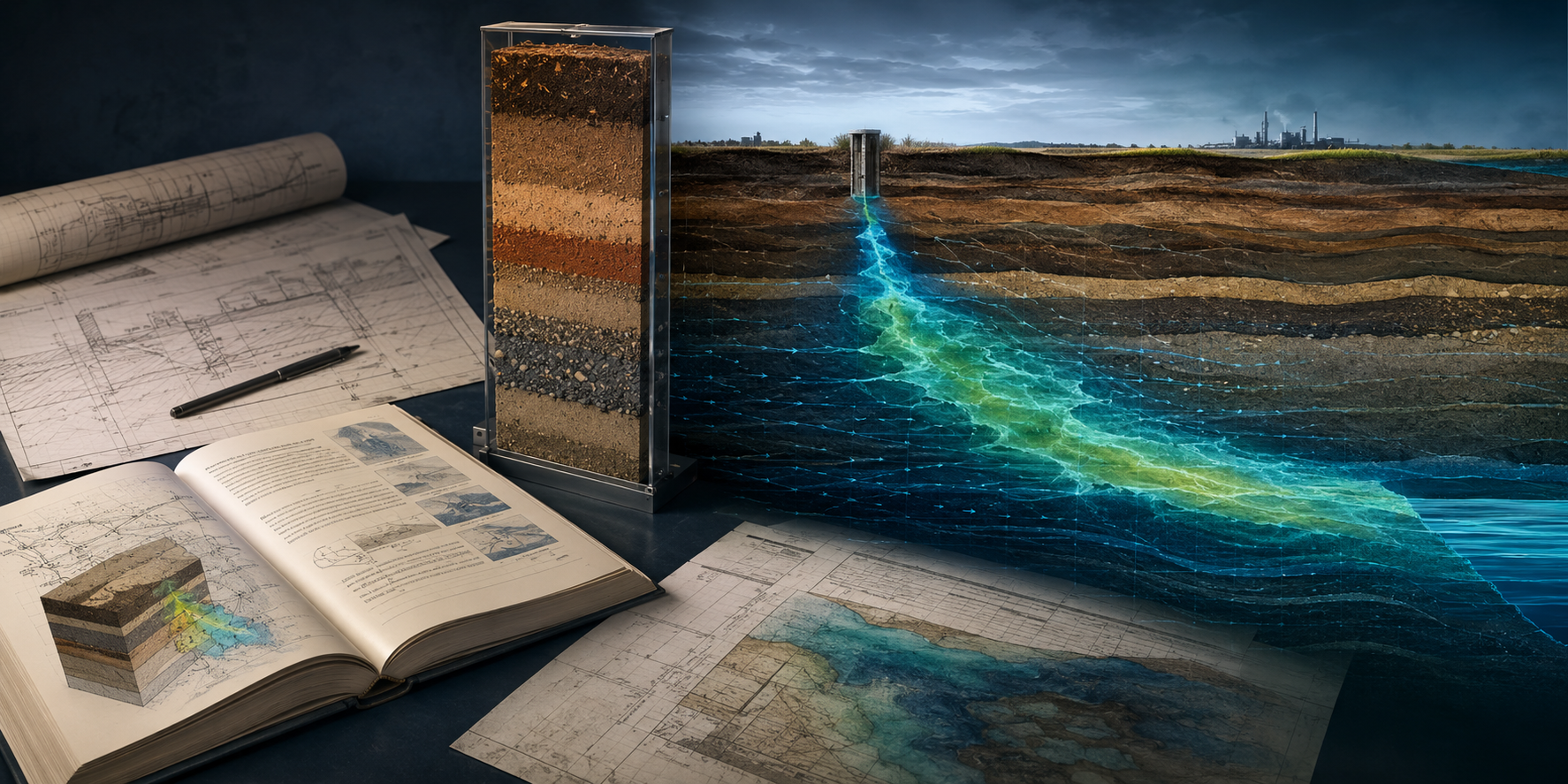
POLLUTE and MIGRATE Documentation research report illustration
Theory & ModelingProduct theory

POLLUTE and MIGRATE Documentation

Background documentation for the theory and use of the POLLUTE and MIGRATE programs.

View or download PDF
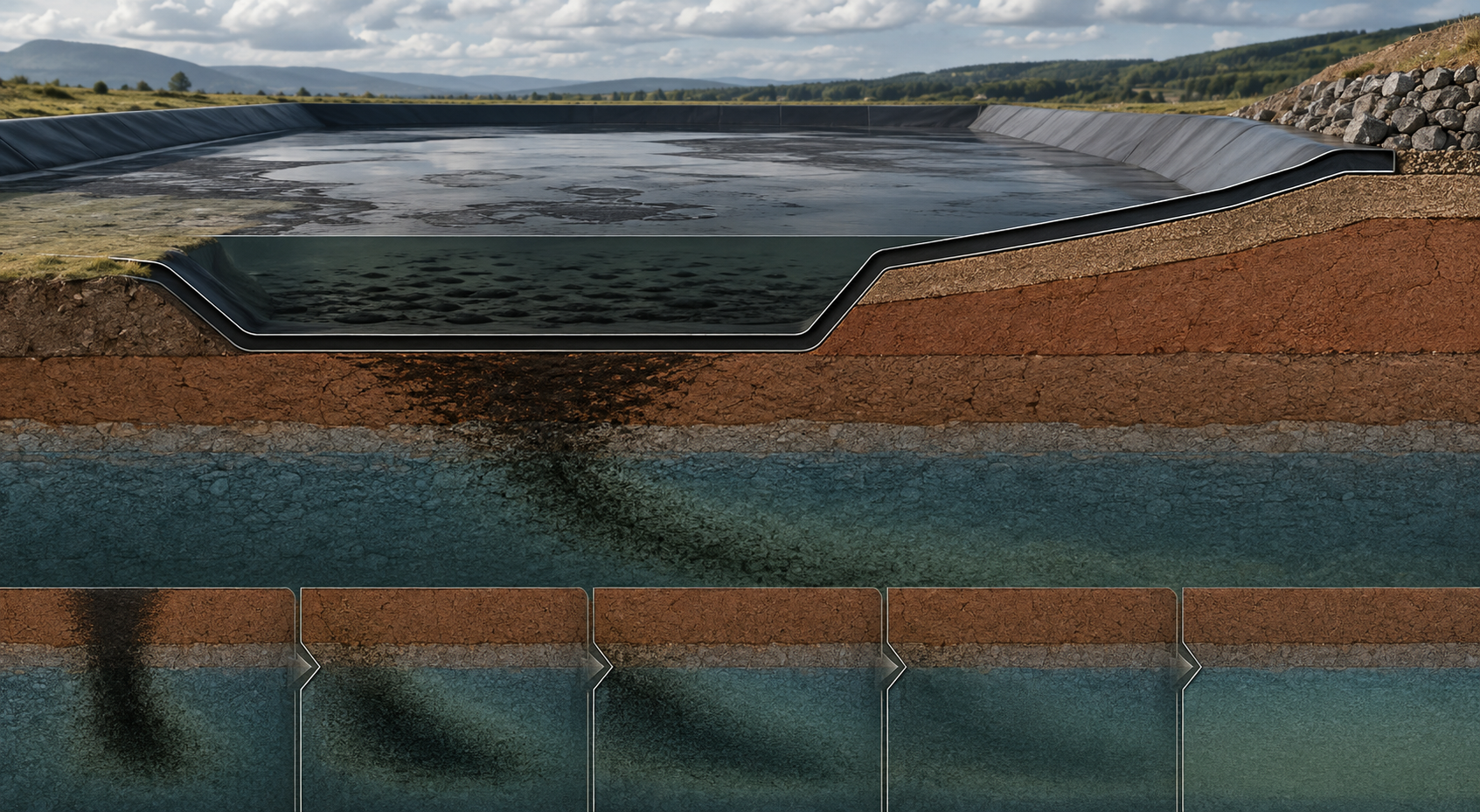
POLLUTE Transport through Barriers research report illustration
Liners & BarriersPOLLUTE application

POLLUTE Transport through Barriers

Application of POLLUTE to contaminant transport through engineered barrier systems.

View or download PDF
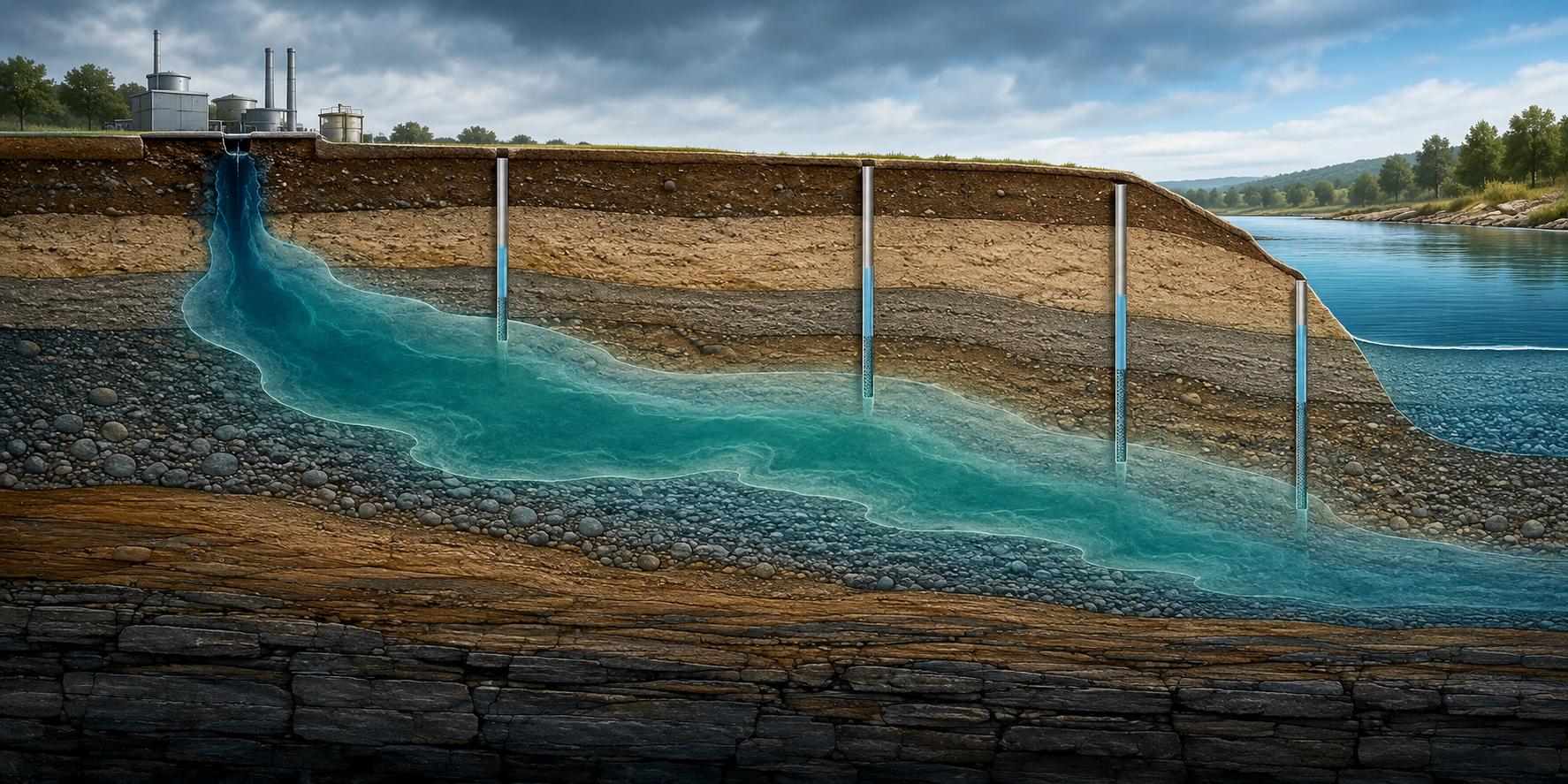
Two-Dimensional Pollutant Migration research report illustration
Theory & Modeling2D transport

Two-Dimensional Pollutant Migration

Research on vertical and lateral pollutant migration in two-dimensional systems.

View or download PDF
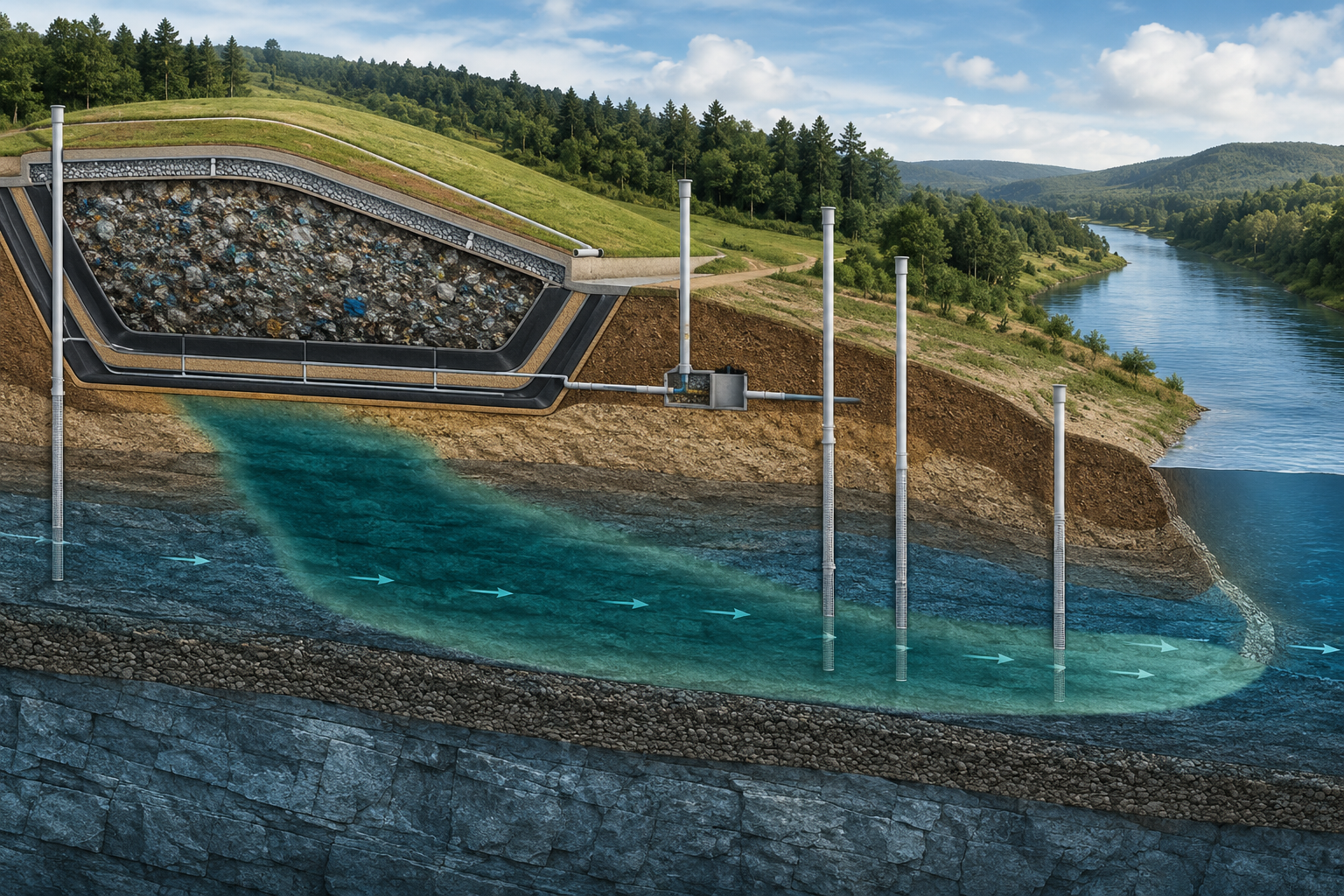
Waste Disposal Facility Assessment research report illustration
Assessment & UncertaintyFacility assessment

Waste Disposal Facility Assessment

Technical evaluation of waste-disposal facilities and contaminant-control performance.

View or download PDF
Research reports provide technical background, not project-specific design approval. Confirm the source, publication context, assumptions and applicability before relying on a report for an engineering decision.
Suggested Reading Path

Build from Theory to Applied Assessment

1

Transport Foundations

Begin with the 1D, 2D, 3D and pollutant-movement reports to establish the governing transport concepts.

2

Model Parameters

Review diffusion, hydraulic conductivity, leachate and intact-material studies before selecting inputs.

3

Engineered Barriers

Progress through composite liners, geosynthetics, clogging and long-term containment performance.

4

Complex Assessment

Use fractured-media, multiple-source and uncertainty reports to support more demanding evaluations.

Using Research Responsibly

Connect Each Source to the Current Engineering Question

  • Record the complete report title, authorship, publication and access date
  • Distinguish background theory from project-specific evidence
  • Confirm that units, materials, scale and boundary conditions are comparable
  • Use laboratory parameters only within their supported material and test context
  • Check whether later research or current regulations change the interpretation
  • Document how the cited report supports each important model assumption

Recommended Review Sequence

  1. Define the decision and conceptual model.
  2. Identify the governing transport mechanisms.
  3. Select the most relevant technical reports.
  4. Verify source quality and applicability.
  5. Trace parameters to evidence.
  6. Preserve citations with the model record.
Continue Exploring

Connect the Research to Product Workflows

POLLUTEv10 Core Features

Review the layered 1D/1.5D formulation, sources, boundaries and engineering outputs.

Explore POLLUTE Features

MIGRATEv10 Core Features

Review two-dimensional geometry, multiple sources, fractured media and spatial results.

Explore MIGRATE Features

Research Overview Article

Read the original overview describing how the report collection supports modeling practice.

Read the overview

Model Comparisons

See matched POLLUTE and MIGRATE cases and interpret dimensional differences.

Browse Comparisons

Example Libraries

Move from research theory to documented product examples.

POLLUTE Examples · MIGRATE Examples

Technical Support

Ask about formulation selection, model configuration or report applicability.

Contact Technical Support

Use the Research to Make the Model Reviewable

Connect the conceptual model, parameter values and product formulation to documented technical evidence—and preserve that chain in the project record.